AquaFit: Ultimate Guide to Water Fitness & Weight Support
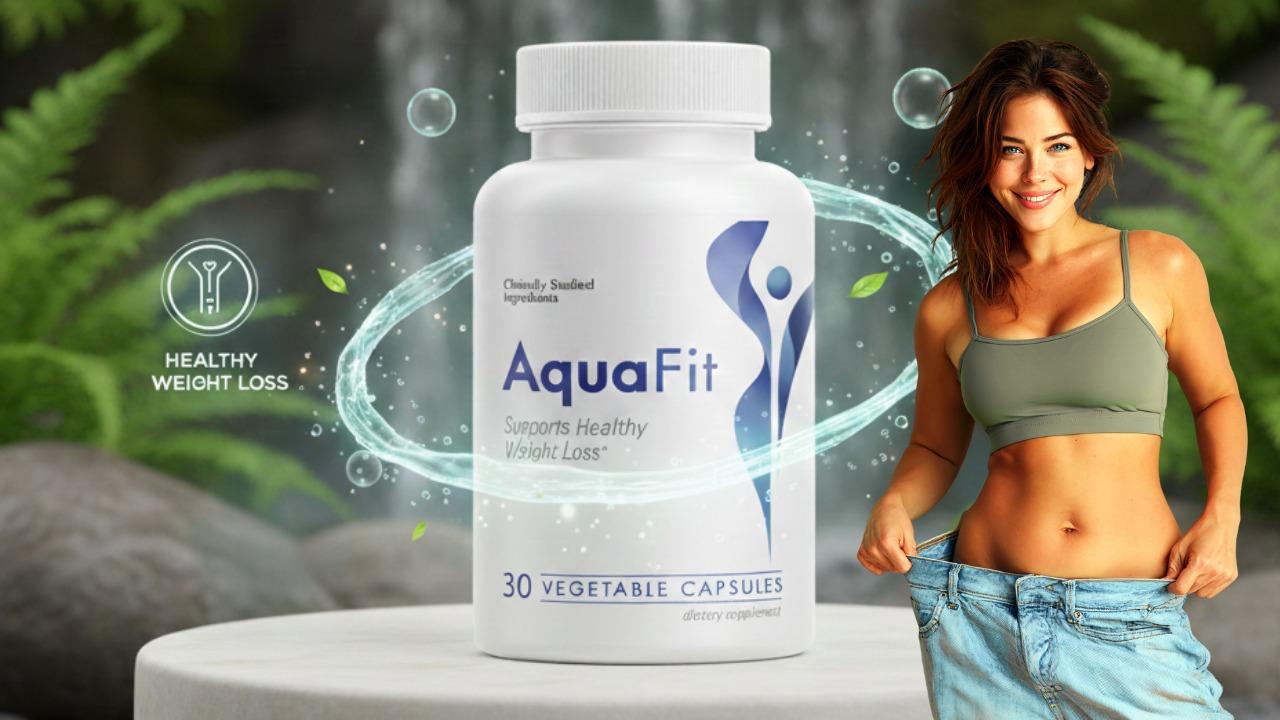
Water has been used for health and healing for centuries, from ancient spas to modern rehabilitation centers. Today, AquaFit stands at the intersection of aquatic therapy, cardiovascular conditioning, and strength training—offering a comprehensive fitness option that is both highly effective and gentle on the body. In this detailed guide, we’ll explore everything you need to know about AquaFit, including its benefits, how it works, ideal routines, who it’s best for, and how it supports long‑term health goals.
Whether you’re a fitness enthusiast, someone recovering from injury, or a busy professional looking for an efficient full‑body workout, this blog will help you understand why AquaFit is rapidly growing in popularity worldwide.
What is AquaFit?
AquaFit refers to a range of water‑based fitness activities designed to enhance cardiovascular health, strength, flexibility, and overall wellness through exercises performed in a pool environment. These workouts can include aerobic movements, resistance training, water running, and even aquatic cycling—all performed either in shallow or deep water.
Unlike traditional gym workouts, the water’s natural properties—buoyancy, resistance, turbulence, and hydrostatic pressure—work with your body to create a balanced, safe, and effective exercise experience.
The Science Behind AquaFit
Water offers a unique environment for exercise because of its physical properties:
-
Buoyancy: Reduces the effect of gravity on the body, decreasing joint stress.
-
Resistance: Water density provides resistance in all directions, which engages muscles more thoroughly than many land‑based workouts.
-
Hydrostatic Pressure: Helps with circulation and reduces swelling.
-
Thermal Regulation: Keeps the body cool for longer workouts without overt overheating.
These benefits make AquaFit an excellent choice for people across the fitness spectrum—from beginners to elite athletes, and from younger adults to seniors.
Key Benefits of AquaFit
1. Low‑Impact Full‑Body Workout
One of the biggest advantages of AquaFit is its gentle impact on joints and bones. The water’s buoyancy supports a large portion of your body weight, drastically reducing pressure on joints and minimizing injury risk. This makes AquaFit suitable for those with arthritis, joint pain, or recovery programs.
2. Enhanced Muscle Strength and Endurance
The resistance of water is approximately 800 times greater than air, meaning your muscles must work harder to move through it. This leads to effective strengthening and toning of muscles throughout the body, including arms, legs, core, and back.
3. Improved Cardiovascular Health
AquaFit classes often combine aerobic activities, such as water jogging and cycling, with strength work. These exercises increase heart rate and blood circulation, contributing to a healthier heart and improved stamina over time.
4. Calorie Burning and Weight Support
Water resistance requires more effort than similar movements on land, leading to higher calorie burn without high impact on joints. Participants can burn up to 400 calories or more per session, depending on intensity and duration.
5. Enhanced Flexibility and Range of Motion
The water enables smoother and safer movement patterns that allow joints to move freely. This can improve flexibility and range of motion, essential for mobility and reducing injury risks.
6. Reduced Stress on the Body
The soothing effect of water combined with buoyant support allows your body to exercise without harsh strain on bones and joints. This is especially helpful for individuals with chronic pain or those in rehabilitation.
7. Mental Health Boost
The calming environment of the pool—alongside the physical activity—can help reduce anxiety, boost mood, and support overall mental well‑being. Participants often report feeling refreshed and energized after sessions.
Who Can Benefit from AquaFit?
One of the most appealing aspects of AquaFit is its universal accessibility. Whether you’re young or old, a beginner or an experienced athlete, AquaFit can be tailored to your fitness level.
Ideal for:
-
Beginners and seniors: Gentle on joints, perfect for starting or maintaining fitness.
-
Overweight or obese individuals: Reduced joint stress helps make movement comfortable.
-
People with joint issues or injuries: Water supports recovery and safe exercise.
-
Athletes: Enhances endurance and strength without overtraining risks.
-
Pregnant women (with guidance): Can offer safe, low‑impact exercise for expectant mothers.
Popular AquaFit Activities and Routines
1. Water Walking and Jogging
Simple and effective, water walking or jogging engages the whole body and improves heart health, balance, and coordination.
2. Aqua Cycling
In specialized classes, stationary bikes are used underwater for high‑intensity, low‑impact cardio that enhances endurance and muscle tone.
3. Resistance Exercises
Using equipment like aquatic dumbbells or resistance gloves increases muscle engagement and helps sculpt the body.
4. Group Classes
Structured classes provide a guided experience combining aerobic and strength movements with music and community encouragement.
5. Personalized AquaFit Programs
Some centers offer customized programs—especially beneficial for rehabilitation or targeted fitness goals.
AquaFit for Weight Management
While traditional AquaFit refers to water exercises, the term AquaFit is also used for nutritional support products designed to assist weight management and metabolism. These supplements often include natural extracts such as citrus flavonoids, green tea extract, and chromium, aimed at:
-
Supporting metabolism and fat oxidation
-
Helping regulate appetite and reduce cravings
-
Boosting energy levels naturally
-
Supporting healthy blood sugar balance
Used alongside regular AquaFit workouts and a balanced diet, these products can complement a holistic weight management approach.
How to Get Started with AquaFit
1. Find a Suitable Pool or Program
Local gyms, health clubs, or community centers often host AquaFit classes. Look for instructors certified in aquatic fitness.
2. Choose Your Intensity Level
Whether you’re a beginner or experienced, choose classes or routines that match your current fitness level. AquaFit is highly adaptable.
3. Wear Appropriate Gear
A comfortable swimsuit, water shoes, and possibly resistance gloves can enhance your workout.
4. Warm Up and Cool Down
Just like traditional workouts, warming up and cooling down help prevent injury and improve performance.
5. Stay Hydrated
Water workouts can be deceptively demanding—keep a bottle of fresh water available before and after your session.
Tips for Maximizing AquaFit Results
-
Consistency is key: Regular sessions (3–5 times per week) produce the best results.
-
Combine with land exercises: Strength training and flexibility work on dry land complement AquaFit benefits.
-
Balanced nutrition: Pair workouts with a healthy diet to support energy and recovery.
Common Myths About AquaFit
Myth 1: AquaFit is only for seniors.
Reality: AquaFit is suitable for all ages and fitness levels—from young adults to seniors.
Myth 2: Water workouts aren’t intense.
Reality: The water resistance makes muscles work continuously, increasing calorie burn and cardiovascular benefits.
Myth 3: You need to be a strong swimmer.
Reality: Most AquaFit classes occur in shallow water; swimming ability isn’t required.
Final Thoughts
AquaFit offers a blend of fun, safety, effectiveness, and adaptability that few other fitness programs can match. Whether you’re seeking a low‑impact way to improve health, manage weight, recover from injury, or simply enjoy a refreshing workout, AquaFit has something to offer. This water‑based fitness approach supports your body and mind, helping you achieve sustainable fitness goals with minimal risk.
Κατηγορίες
Διαβάζω περισσότερα
The National Small Industries Corporation (NSIC) registration is an important certification for Micro, Small, and Medium Enterprises (MSMEs) looking to expand their business and participate in government procurement. This registration provides recognition, financial support, and exclusive access to various government schemes, tenders, and subsidies. Before applying, businesses should review a...

The United Kingdom's vaping market in 2026 has reached a pivotal moment where high-capacity performance meets strict regulatory compliance. For enthusiasts seeking a balance between longevity and legal security, the hayati pro max plus has emerged as a cornerstone of the modern vaping kit. These innovative systems are engineered to bypass the limitations of standard small-capacity tanks...
According to a new report from Intel Market Research, the global Transparent Conducting Oxide (TCO) Glass market was valued at USD 500 million in 2024 and is projected to reach USD 1.575 billion by 2032, growing at a robust CAGR of 18.3% during the forecast period (2025–2032). This exceptional growth trajectory is propelled by the global...

In today’s publishing landscape, authors are not just looking for a service, they are looking for a partner they can trust. Writing a book takes time, effort, and creativity, and choosing the right publishing company is an important step in that journey. At EU Publishing House, we are committed to providing professional support and delivering quality results, and platforms like Reviews.io...
Joint pain can make everyday activities difficult and uncomfortable, especially for individuals dealing with chronic knee conditions. Many people experiencing stiffness, swelling, and reduced movement seek professional treatment for knee osteoarthritis Mt. Laurel to improve mobility and regain comfort. Osteoarthritis is one of the most common joint disorders, affecting people of different ages...