


From Tandoor to Table: A Journey Through Desi Taste
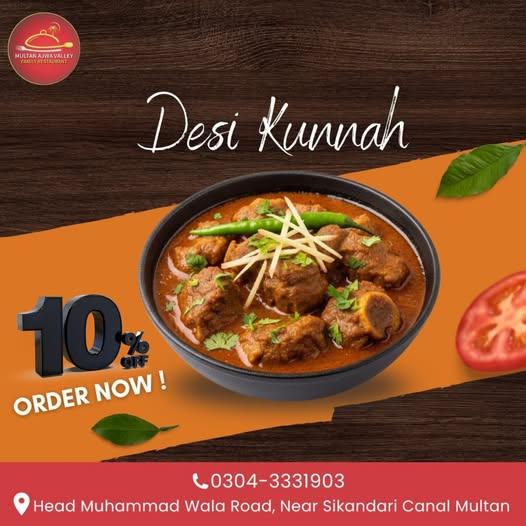
There's something magical about the aroma of spices sizzling in hot oil, the sound of naan slapping against the walls of a clay tandoor, and that first bite of perfectly cooked biryani that makes your eyes close in pure bliss. If you've ever wondered what makes desi food so irresistibly delicious, you're in for a treat. This isn't just about food—it's about culture, tradition, and flavors that have been perfected over centuries. And when you step into a desi tarka restaurant, you're not just walking into an eatery; you're entering a world where every dish tells a story.
Let me take you on a journey through the heart of Pakistani cuisine, where every meal is a celebration and every flavor is a memory.
The Soul of Desi Cooking
Desi cooking isn't just about throwing ingredients together. It's an art form passed down through generations, where grandmothers teach their daughters the exact moment to add garam masala, and fathers share the secret to the perfect seekh kebab.
The beauty lies in the complexity. Take a simple dish like daal—it might seem straightforward, but the way the onions are caramelized, how long the lentils simmer, and that final tarka of garlic and cumin can make all the difference between ordinary and extraordinary.
What sets authentic desi cuisine apart is the respect for ingredients and time. Nothing is rushed. Curries simmer for hours, allowing spices to bloom and marry together. Meat is marinated overnight, ensuring every fiber absorbs those incredible flavors. This patience, this dedication—that's what you taste in every bite.
The Tandoor: Where Magic Happens
If there's one thing that defines desi cooking, it's the tandoor. This ancient clay oven has been the centerpiece of South Asian kitchens for thousands of years, and for good reason.
The intense heat of a tandoor—sometimes reaching up to 900 degrees Fahrenheit—creates a unique cooking environment that's impossible to replicate with modern ovens. When naan dough hits those scorching walls, it puffs up instantly, developing those characteristic char marks and a smoky flavor that's absolutely addictive.
But it's not just about bread. Tandoori chicken, with its vibrant red color and juicy, tender meat, owes its perfection to this incredible cooking method. The high heat seals in the juices while creating a slightly crispy exterior that's packed with flavor.
I remember the first time I watched a naan being made in a traditional tandoor. The chef stretched the dough with practiced ease, slapped it against the oven wall, and within minutes, pulled out a perfectly blistered, steaming hot piece of heaven. That's an experience you simply can't get from store-bought bread.
Spices: The Heart and Soul
Walk into any desi kitchen, and you'll find a treasure trove of spices. Turmeric, cumin, coriander, cardamom, cinnamon, cloves—each one plays a crucial role in building layers of flavor.
But here's what many people don't understand: it's not about making food spicy hot. It's about creating depth, warmth, and complexity. A good Pakistani curry should make you feel something—comfort, nostalgia, joy.
The real skill lies in balancing these spices. Too much turmeric makes everything bitter. Too much garam masala overpowers the dish. But when done right? Pure magic. Each spice enhances the others, creating a symphony of flavors that dance on your tongue.
Fresh ground spices make all the difference too. That's why traditional cooks still use a mortar and pestle, crushing whole spices right before cooking. The aromatics released in those moments are incomparable to pre-ground alternatives.
Regional Flavors: A Diverse Palette
Pakistan's cuisine is incredibly diverse, with each region bringing its own unique twist to the table. From the robust, meat-heavy dishes of Punjab to the fiery curries of Sindh, there's so much variety to explore.
Karachi brings its own flair with street food culture—the spicy, tangy chaat, the crispy samosas, and of course, the legendary biryani. Peshawar offers us chapli kebabs and karahi that's cooked in traditional woks over high flames. And let's not forget Lahore, the food capital, where every street corner offers a new culinary adventure.
When you're searching for the best desi tarka restaurant, you want a place that respects these regional differences while bringing them together under one roof. You want authentic recipes, fresh ingredients, and chefs who understand that cooking desi food is about love and tradition, not just following a recipe.
The Communal Experience
One thing that makes desi dining special is the communal aspect. Food is meant to be shared, celebrated, and enjoyed together. That's why you'll often see large family-style portions, dishes placed in the center of the table for everyone to enjoy.
There's something beautiful about tearing off a piece of warm naan, using it to scoop up some creamy butter chicken, and sharing that moment with loved ones. It's not just about filling your stomach—it's about connection.
This is why family restaurants hold such a special place in our culture. They're gathering spots where birthdays are celebrated, business deals are made, and friendships are strengthened over plates of aromatic pulao and tender kebabs.
Modern Takes on Traditional Flavors
While tradition is important, the best restaurants know how to evolve. Today's diners want authenticity, but they also appreciate presentation, ambiance, and service that meets contemporary standards.
This doesn't mean compromising on taste. It means serving that same incredible karahi your grandmother made, but in a clean, comfortable setting with attentive service. It means offering traditional recipes alongside creative fusion dishes that introduce new diners to desi flavors.
The key is balance—honoring the past while embracing the present.
Multan Ajwa Valley Family Restaurant: Where Tradition Meets Excellence
Speaking of places that get it right, Multan Ajwa Valley Family Restaurant has become a destination for food lovers who crave authentic desi flavors served with care and attention to detail.
What makes this spot special is their commitment to traditional cooking methods combined with a warm, welcoming atmosphere perfect for families. From their tandoor-fresh breads to their slow-cooked curries, every dish reflects the passion and expertise that defines great desi cuisine.
They understand that when people come looking for desi food, they're not just hungry—they're seeking comfort, nostalgia, and that taste of home. Whether you're a local regular or a curious first-timer, you'll find dishes that speak to your soul.
Their menu showcases the diversity of Pakistani cuisine, offering everything from classic favorites to regional specialties that you might not find everywhere else. The attention to spice balance, the quality of ingredients, and the care taken in preparation—it all shows in every bite.
The Future of Desi Cuisine
As our food culture evolves, one thing remains constant: the love and passion that goes into every desi meal. New generations are taking family recipes and making them their own, opening restaurants that honor tradition while adding their unique touch.
Social media has also played a role in spreading awareness about desi cuisine beyond our communities. Now, food lovers from all backgrounds are discovering the joys of a perfectly spiced biryani or the comfort of a warm paratha with chai.
This growing appreciation means more opportunities for authentic restaurants to thrive and share our incredible culinary heritage with the world.
Conclusion
From the ancient tandoor that's been feeding families for millennia to the modern dining tables where we gather today, desi cuisine represents something profound. It's about heritage, family, love, and the belief that food should nourish not just the body, but the soul.
Every dish carries the wisdom of generations, every spice tells a story, and every meal is an opportunity to connect with something bigger than ourselves. Whether you're enjoying your mother's home-cooked daal or discovering new flavors at a restaurant, you're participating in a culinary tradition that spans centuries.
So the next time you sit down to a desi meal, take a moment to appreciate the journey those flavors have taken—from the fields where spices grow, through the hands of skilled cooks, all the way to your plate. That's the real journey from tandoor to table, and it's one worth savoring with every single bite.
Because at the end of the day, desi food isn't just about eating. It's about experiencing life, love, and culture through the universal language of incredible flavors.
الأقسام
إقرأ المزيد
Supercapacitors Market was valued at USD 3,865 million in 2024 and is projected to reach USD 11,900 million by 2032, registering a robust CAGR of 17.9% during the forecast period (2025–2032). Supercapacitors—also known as ultracapacitors—bridge the gap between traditional capacitors and rechargeable batteries by offering high power density, rapid charging, long lifecycle, and...

Mobile technology has completely changed the way people enjoy online entertainment, and slot online gaming is one of the biggest examples of this transformation. In recent years, more players have started using smartphones and tablets to access their favorite slot games instead of traditional desktop computers. Mobile slot gaming offers convenience, flexibility, and an improved user...
Not everyone in High Wycombe owns a car and frankly, not everyone needs one. Whether you are a student, a working professional, a senior resident or simply someone who wants to cut down on driving costs, getting around High Wycombe without a personal vehicle is entirely achievable. The town is well-connected, and with a combination of public transport, walking routes, cycling infrastructure,...

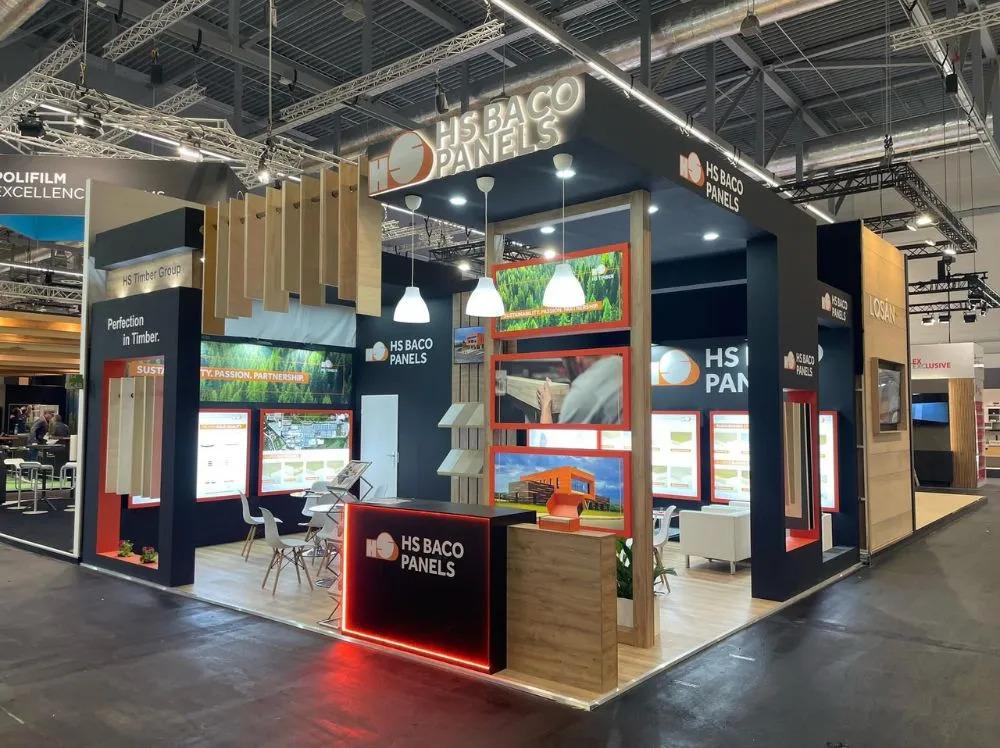
Exhibitions and trade fairs are powerful platforms for businesses to showcase their products, connect with potential clients, and strengthen brand presence. In a competitive exhibition environment like Leipzig, having a visually striking and strategically designed booth is essential. This is where a professional Stand Design Company in Leipzig plays a crucial role in ensuring your brand stands...
A thoughtfully designed home directly impacts comfort, organization, and daily efficiency. Effective home interior design is not about trends alone; it is about creating interiors that support routine activities while maintaining visual balance. When each space is planned with intent, the home feels cohesive and purposeful. Understanding Design Flow Design flow is an important aspect of home...