


New Zealand Tire Market 2030 Passenger & Commercial Focus

The New Zealand tire market is undergoing a period of measured yet structurally significant transformation, shaped by evolving mobility patterns, regulatory rigor, technological advancement, and shifting consumer expectations. As a geographically diverse nation with a strong dependence on road-based transportation, tires play a critical role in ensuring safety, efficiency, and reliability across passenger, commercial, agricultural, and recreational vehicle segments. Unlike larger automotive markets driven primarily by new vehicle sales, New Zealand’s tire industry is heavily influenced by replacement demand, vehicle imports, and varied terrain conditions, creating a unique ecosystem that favors product diversity, durability, and adaptability.
According to industry estimates, the New Zealand tire market was valued at USD 922.75 million in 2024 and is projected to reach USD 1,223.20 million by 2030, growing at a compound annual growth rate (CAGR) of 4.81% during the forecast period. This growth reflects steady vehicle usage, increasing compliance with safety regulations, rising tourism activity, and the gradual integration of advanced tire technologies that enhance performance and longevity.
This comprehensive analysis explores the structural foundations of the New Zealand tire market, examining demand drivers, emerging trends, regional dynamics, technological innovation, and competitive positioning. It also outlines future growth opportunities while highlighting how manufacturers, distributors, and policymakers are shaping the industry’s trajectory.
Market Overview and Structural Landscape
New Zealand’s automotive ecosystem is distinctive due to its high proportion of imported vehicles, particularly used cars sourced from Japan. These imports arrive with varying tire sizes, tread patterns, and performance specifications, creating a fragmented but opportunity-rich replacement tire market. As vehicles age and transition into local driving conditions, tire replacement becomes essential, often immediately upon importation.
The country’s dispersed population and reliance on personal vehicles further amplify tire demand. Outside major metropolitan areas such as Auckland and Wellington, public transport options are limited, increasing dependency on private cars, SUVs, and light commercial vehicles. This reliance translates into consistent mileage accumulation and predictable tire wear cycles.
Additionally, New Zealand’s topographical and climatic diversity—from urban motorways and coastal highways to rural gravel roads and alpine regions—creates a need for specialized tire solutions. Consumers frequently prioritize versatility, durability, and safety, driving demand for all-terrain, all-weather, and reinforced radial tires capable of performing across mixed driving environments.
Download Free Sample Report: https://www.techsciresearch.com/sample-report.aspx?cid=3762
Industry Key Highlights
-
The New Zealand tire market demonstrated steady growth in 2024, supported by rising vehicle usage and replacement demand.
-
Passenger car tires accounted for the largest share of total market demand, driven by urban commuting and used vehicle imports.
-
Replacement tires dominated the demand category due to strict safety inspections and frequent mileage accumulation.
-
Radial tires continued to lead the market, favored for fuel efficiency, ride comfort, and extended tread life.
-
South Island emerged as the fastest-growing regional market, supported by tourism, agriculture, and infrastructure development.
-
Growing adoption of SUVs and utility vehicles boosted demand for all-terrain and multi-purpose tire solutions.
-
Digital retail platforms and omnichannel distribution models gained traction among urban consumers.
-
Sustainability initiatives encouraged the development of low rolling resistance tires and environmentally responsible manufacturing processes.
Regulatory Environment and Safety Compliance
One of the most influential forces shaping the New Zealand tire market is the country’s stringent road safety framework. The Warrant of Fitness (WoF) inspection system mandates regular vehicle safety checks, with tire condition being a critical evaluation parameter. Tires failing to meet tread depth, wear uniformity, or structural integrity requirements must be replaced immediately, creating a recurring demand cycle independent of vehicle age.
This regulatory environment benefits the replacement tire segment, particularly in urban areas where frequent commuting accelerates tread wear. Commercial fleets, ride-hailing services, and logistics operators are especially sensitive to compliance requirements, often adopting proactive tire replacement strategies to minimize downtime and penalties.
Additionally, increasing awareness around road safety among consumers has elevated expectations for tire performance, wet grip, braking efficiency, and durability. As a result, buyers are increasingly willing to invest in premium or mid-range tire brands that offer longer warranties and advanced safety features.
Demand Segmentation Analysis
By Demand Category
Replacement Segment
The replacement segment dominates the New Zealand tire market, accounting for the majority of total sales. Factors contributing to this dominance include:
-
High proportion of used vehicle imports requiring immediate tire replacement
-
Regular WoF inspections prompting periodic tire upgrades
-
Long vehicle ownership cycles extending replacement frequency
-
High annual mileage, particularly in regional and rural areas
Replacement buyers increasingly prioritize value over upfront cost, seeking tires that offer durability, fuel efficiency, and extended tread life.
OEM Segment
The OEM segment, while smaller in comparison, benefits from steady new vehicle registrations and partnerships between automakers and tire manufacturers. OEM demand is particularly relevant in the passenger car and commercial vehicle segments, where manufacturers emphasize fuel efficiency and emissions compliance through factory-fitted tires.
By Tire Construction Type
Radial Tires
Radial tires dominate the market due to their superior performance characteristics, including:
-
Enhanced fuel efficiency
-
Improved ride comfort
-
Better heat dissipation
-
Longer tread life
Their widespread adoption across passenger cars, SUVs, and commercial vehicles makes them the preferred choice for both OEM and replacement buyers.
Bias Tires
Bias tires maintain a niche presence, primarily in agricultural and off-road applications where load-bearing capacity and ruggedness are prioritized over speed and comfort.
By Vehicle Type
Passenger Cars
Passenger cars represented the largest share of tire demand in 2024. Urbanization, daily commuting, and high vehicle density in metropolitan areas drive frequent tire wear and replacement. Consumers increasingly seek tires offering noise reduction, wet-weather performance, and compatibility with electronic monitoring systems.
Commercial Vehicles
The commercial vehicle segment benefits from expanding logistics, construction activity, and intercity transport. Fleet operators focus on cost efficiency, durability, and retreadability, driving demand for reinforced and long-life tire solutions.
Two-Wheelers
Though smaller in market size, the two-wheeler segment maintains steady demand, particularly in urban areas and recreational usage. Tire replacement cycles in this segment are influenced by safety awareness and riding conditions.
Regional Market Dynamics
North Island
The North Island remains the largest regional market, supported by dense population centers, high vehicle ownership, and extensive road networks. Auckland’s congestion and frequent stop-and-go traffic contribute to accelerated tire wear, reinforcing replacement demand.
South Island
The South Island emerged as the fastest-growing regional market in 2024. Growth drivers include:
-
Expanding tourism activity requiring rental and commercial vehicles
-
Strong agricultural and construction sectors
-
Increasing population in regional hubs such as Canterbury and Christchurch
-
Varied terrain and climate conditions demanding durable tire solutions
Demand for all-terrain, winter-rated, and heavy-duty tires is particularly strong in this region.
Emerging Trends in the New Zealand Tire Market
Growth of All-Terrain and Multi-Utility Tires
Consumer preferences are increasingly shifting toward tires capable of delivering consistent performance across highways, gravel roads, and off-road conditions. This trend is especially prominent among SUV and pickup truck owners who use their vehicles for commuting, recreation, and towing.
Manufacturers are responding with enhanced tread designs, reinforced sidewalls, and dual-compound rubber technologies that extend durability without compromising comfort.
Digitalization of Tire Retailing
Online tire sales platforms are gaining popularity, offering consumers:
-
Virtual fitment tools
-
Price comparison features
-
Home delivery and installation options
-
Subscription-based tire services
This digital shift improves convenience and transparency, particularly for urban and tech-savvy buyers.
Sustainability and Eco-Friendly Tires
Environmental awareness is influencing tire design and manufacturing. Low rolling resistance tires that improve fuel efficiency and reduce emissions are increasingly favored. Manufacturers are also exploring recycled materials and sustainable production processes to align with broader environmental goals.
Key Market Drivers
Rising Vehicle Usage
Steady growth in vehicle kilometers traveled continues to drive tire wear and replacement demand across all regions.
Safety Regulations
Mandatory safety inspections directly influence tire replacement frequency, ensuring consistent baseline demand.
Tourism and Recreation
New Zealand’s tourism sector supports demand for rental vehicles, off-road transportation, and recreational driving, boosting tire consumption.
Technological Innovation
Advancements in tire materials, sensor integration, and tread design enhance performance and encourage upgrades.
Competitive Analysis
The New Zealand tire market is highly competitive, characterized by the presence of global tire manufacturers with strong distribution networks and brand recognition.
Key Competitive Factors
-
Product breadth across vehicle types and price segments
-
Distribution reach through dealerships, service centers, and online platforms
-
Brand reputation for quality and safety
-
Innovation in durability, fuel efficiency, and sustainability
Major Market Players
-
Bridgestone Corporation
-
Michelin Group
-
The Goodyear Tire & Rubber Company
-
Continental AG
-
Pirelli & C. S.p.A.
-
Yokohama Rubber Company, Limited
-
Hankook Tire & Technology Co., Ltd.
-
Kumho Tire Co., Inc.
-
Sumitomo Rubber Industries, Ltd.
-
Toyo Tire Corporation
These companies compete through continuous product innovation, strategic partnerships, and localized marketing strategies tailored to New Zealand’s driving conditions.
Future Outlook
The New Zealand tire market is expected to maintain stable growth through 2030, supported by consistent replacement demand, expanding SUV adoption, and increasing emphasis on safety and sustainability. While the pace of growth remains moderate, the market’s resilience is reinforced by regulatory compliance, diverse vehicle usage patterns, and technological advancements.
Future opportunities lie in smart tire technologies, eco-friendly materials, and integrated digital retail ecosystems. Manufacturers that align product development with New Zealand’s unique terrain, climate, and consumer expectations will be best positioned to capture long-term value.
10 Benefits of the Research Report
-
Provides detailed market size and growth forecasts through 2030F
-
Offers in-depth segmentation analysis by demand, vehicle type, and region
-
Identifies emerging trends shaping consumer and manufacturer strategies
-
Analyzes key market drivers and challenges influencing growth
-
Profiles leading companies and evaluates competitive dynamics
-
Supports strategic planning with data-backed insights
-
Assists investors in identifying high-potential segments
-
Helps manufacturers tailor products to regional demand patterns
-
Enables distributors to optimize inventory and channel strategies
-
Enhances decision-making with comprehensive industry intelligence
Conclusion
The New Zealand tire market represents a mature yet evolving industry shaped by regulatory discipline, geographic diversity, and consumer demand for safety and versatility. While growth remains steady rather than explosive, the market offers sustained opportunities for innovation, premiumization, and digital transformation. As mobility patterns continue to evolve and sustainability gains prominence, the tire industry will remain a foundational pillar of New Zealand’s transportation ecosystem.
Contact Us-
Mr. Ken Mathews
708 Third Avenue,
Manhattan, NY,
New York – 10017
Tel: +1-646-360-1656
Email: sales@techsciresearch.com
Website: www.techsciresearch.com
Κατηγορίες
Διαβάζω περισσότερα
Justice Scalia's dismissal of privacy concerns collided spectacularly with reality when Professor Reidenberg's law students constructed a revealing personal dossier using only public data. ' The exercise exposed his home address, family details, and private preferences—precisely the information he deemed unworthy of stronger legal safeguards. ' Scalia denounced it as "perfectly legal,...

The automotive industry continues to undergo significant transformations as vehicle production increases and environmental regulations become more stringent. A critical component in this evolution is the exhaust system, specifically the automotive muffler. These components are essential for reducing the noise emitted by the internal combustion engine and directing exhaust gases away from the...

BL555 is a growing online entertainment platform that is becoming more popular every day. It offers users a smooth, fast, and enjoyable experience through its modern design and easy-to-use system. Many people are now choosing BL555 because it provides a reliable and engaging way to spend their free time online. The platform focuses on user comfort, simple navigation, and high...

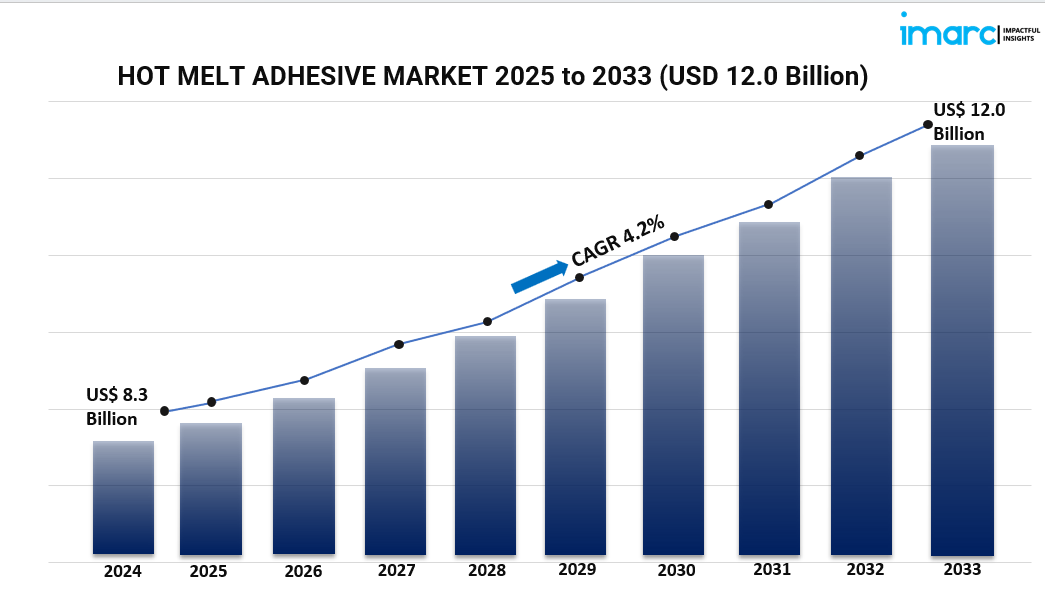
Market Overview The global hot melt adhesive market size reached USD 8.3 Billion in 2024. It is expected to grow to USD 12.0 Billion by 2033, exhibiting a compound annual growth rate (CAGR) of 4.2% during the forecast period 2025-2033. This growth is driven by the increasing demand for nonwoven hygiene products, expansion of the packaging industry, and a thriving furniture sector. The market's...
In the ever-shifting landscape of iGaming, 2026 has emerged as the pivotal year for the online slot. No longer confined to simple mechanics, the modern online slot has morphed into a technological powerhouse. From smart algorithms to immersion in the metaverse, the online slot of today is a radical departure from its classic roots. Whether you are exploring new tech,...