Guide Is it Safe for Dogs to Consume Caramel?
Introduction
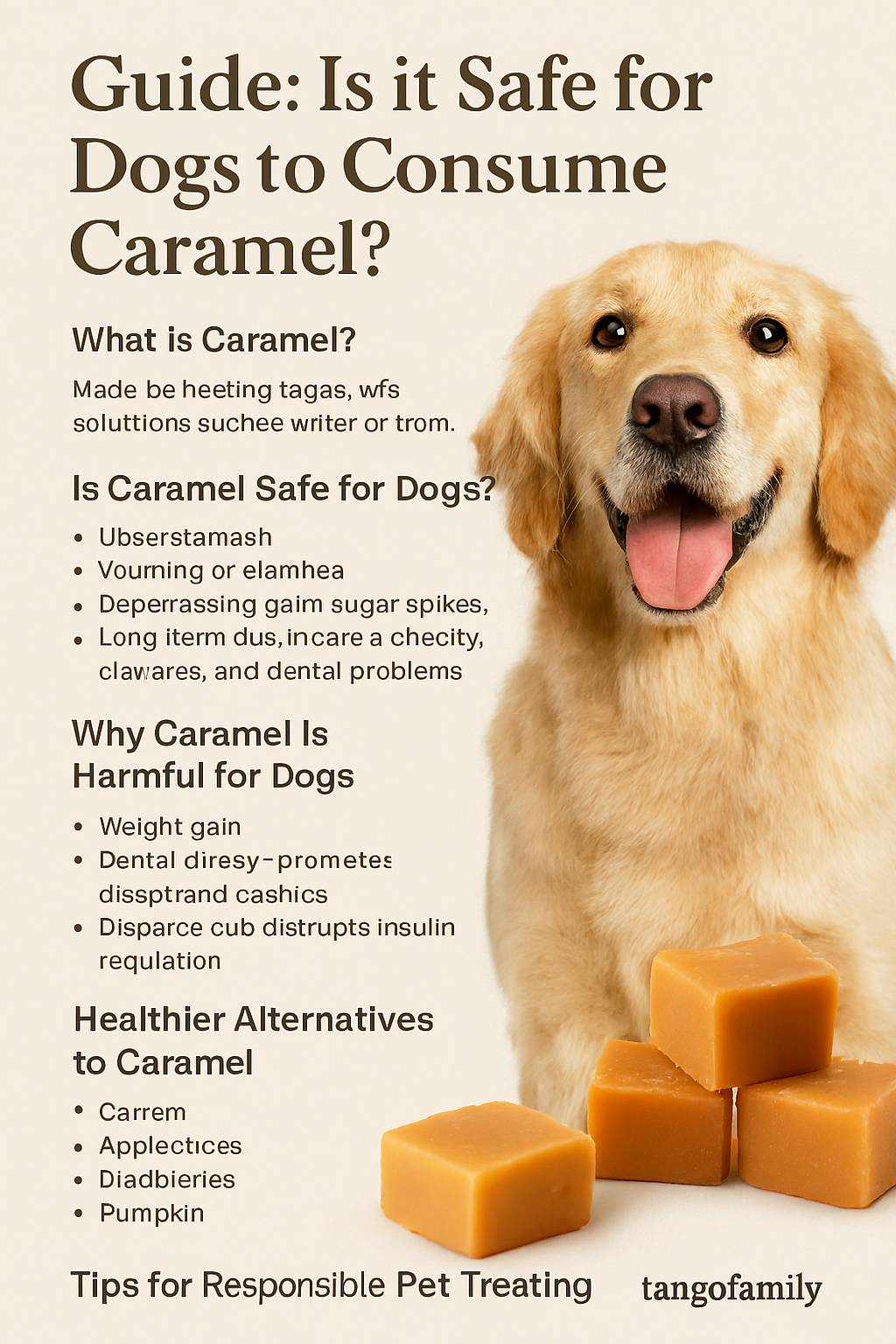
Pet owners often wonder whether certain human treats are safe for their furry companions. One common question is about caramel. This sweet, sticky delight is loved by many, but when it comes to dogs, caution is essential. In this guide, we explore whether caramel is safe for dogs, the risks involved, and healthier alternatives. At tangofamily, we care deeply about the well-being of pets and aim to provide clear, reliable advice for responsible pet parenting.
What is Caramel?
Caramel is made by heating sugar until it melts and turns golden brown. Sometimes butter, cream, or flavorings are added to enhance its taste. While it may seem harmless, caramel is essentially concentrated sugar, which can pose health risks for dogs. Unlike humans, dogs process sugar differently, and excessive intake can lead to serious health issues.
Is Caramel Safe for Dogs?
The short answer is no. Caramel is not toxic in the same way chocolate is, but it is far from safe. Dogs that consume caramel may experience:
-
Upset stomach
-
Vomiting or diarrhea
-
Hyperactivity due to sugar spikes
-
Long-term risks such as obesity, diabetes, and dental problems
At tangofamily, we emphasize that prevention is better than cure. Avoiding sugary treats like caramel is one of the simplest ways to protect your dog’s health.
Why Caramel is Harmful for Dogs
Caramel contains high amounts of sugar, which can cause:
-
Weight gain: Dogs are prone to obesity when fed sugary foods.
-
Dental decay: Sugar promotes plaque and cavities.
-
Diabetes risk: Excess sugar can disrupt insulin regulation.
-
Digestive issues: Dogs may struggle with bloating, gas, or diarrhea.
Even small amounts of caramel can trigger discomfort. Over time, repeated exposure can lead to chronic health conditions.
Signs Your Dog Ate Caramel
If your dog accidentally consumes caramel, watch for symptoms such as:
-
Restlessness or hyperactivity
-
Excessive thirst
-
Frequent urination
-
Vomiting or diarrhea
-
Loss of appetite
If these symptoms persist, consult a veterinarian immediately. At tangofamily, we encourage pet owners to act quickly when their dog shows signs of distress.
Healthier Alternatives to Caramel
Instead of offering caramel, consider safe and healthy treats:
-
Carrots: Crunchy and low in calories.
-
Apple slices: Sweet but packed with fiber and vitamins.
-
Blueberries: Rich in antioxidants.
-
Pumpkin: Supports digestion and overall health.
These alternatives not only satisfy your dog’s taste buds but also contribute to their well-being. Tangofamily recommends natural snacks that align with a dog’s nutritional needs.
Tips for Responsible Pet Treating
-
Always check ingredients before sharing human food.
-
Stick to vet-approved dog treats.
-
Practice moderation, even with safe snacks.
-
Train your dog using healthy rewards instead of sugary foods.
By following these tips, you ensure your dog enjoys treats without compromising health.
The Role of Pet Owners
As a pet parent, your responsibility is to safeguard your dog’s diet. While caramel may seem harmless, it is not worth the risk. Dogs rely on their owners to make wise choices. At tangofamily, we believe informed decisions lead to happier, healthier pets.
Conclusion
Caramel is not a safe treat for dogs. Though it may not be immediately toxic, the long-term health risks outweigh any momentary pleasure. Pet owners should avoid giving caramel and instead choose healthier alternatives. With guidance from tangofamily, you can ensure your dog enjoys a balanced diet, free from harmful sugars.
Категории
Больше
Polypropylene copolymer has become one of the most widely used thermoplastic materials in modern manufacturing. Its balance of strength, flexibility, and chemical resistance makes it a preferred choice across industries ranging from packaging and automotive to medical devices and consumer goods. As companies continue to seek materials that deliver durability without sacrificing cost efficiency,...

According to the latest report published by Data Bridge Market Research, the Neurovascular Embolization Devices Market CAGR Value The global neurovascular embolization devices market size was valued at USD 2.38 billion in 2025 and is expected to reach USD 3.55 billion by 2033, at a CAGR of 5.16% during the forecast period A...
Dental problems rarely appear overnight. In many cases, the body provides warning signs before a condition becomes serious. Unfortunately, many people ignore these symptoms until discomfort becomes severe or treatment becomes more complicated. Recognizing the early signs of oral health issues can help protect your teeth, gums, and overall well-being. A qualified dentist in suwanee ga can...
You'll find that Santa Ana's smart home apartments redefine what modern living looks like. With stainless steel appliances bringing a sleek touch to the kitchen, these spaces are designed for both functionality and style. Premium finishes, including quartz countertops and sophisticated cabinetry, elevate your home's aesthetic while ensuring comfort. But it's the smart technology—like...
Netflix has announced the upcoming release of a new comedy series titled Turn Up Charlie, which will be available on www.netflix.com/turnupcharlie. This original show is a collaborative effort between British creators and production teams, highlighting the global appeal of Netflix’s programming. Set in the United Kingdom, Turn Up Charlie features Idris Elba in the lead role, both...