Things to Check Before Buying a CNC Machine Tool
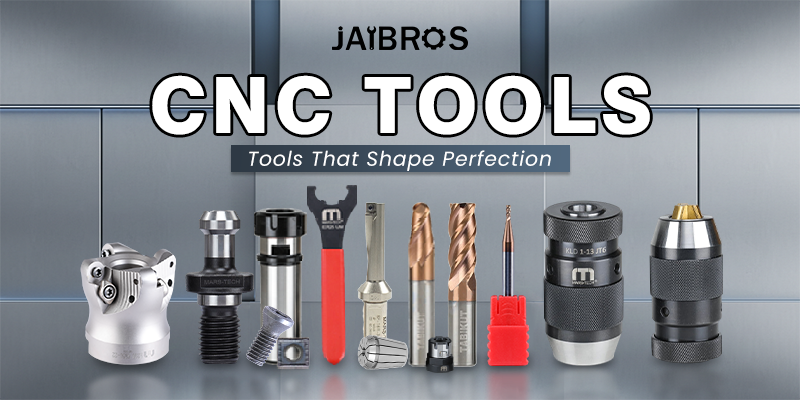
Discover key factors to check before buying a CNC machine tool, including CNC machine price, performance, accuracy, tooling compatibility, and support.
What to Look for Before Investing in a CNC Machine Tool
Buying a CNC tool is a major investment for any manufacturing business. Whether you are a small workshop planning expansion or a large manufacturer upgrading capacity, the right decision can improve productivity, precision, and long-term profitability. A poor choice, however, can lead to frequent downtime, high maintenance costs, and inconsistent output. Before finalizing a purchase, it is essential to evaluate technical specifications, production requirements, and future scalability.
Understand Your Machining Requirements
The first step is to clearly define what you plan to manufacture. Different machines are designed for different operations such as turning, drilling, or CNC milling. Part size, material type, tolerance requirements, and production volume all influence machine selection.
If your components require complex geometries or tight tolerances, machine rigidity and control accuracy become critical. Choosing a CNC tool that matches your application ensures smoother operations and consistent results over time.
Evaluate Machine Type and Configuration
CNC machine tools come in various types including lathes, vertical machining centers, horizontal machining centers, and multi-axis machines. Each configuration offers different advantages.
For example, CNC milling machines are suitable for complex parts with multiple faces, while turning centers are ideal for cylindrical components. Multi-axis machines offer flexibility but may require higher operator skill and investment. Selecting the correct machine type reduces unnecessary expenses and improves production efficiency.
Check Machine Accuracy and Repeatability
Accuracy and repeatability determine how consistently a machine can produce identical parts. High repeatability reduces scrap and rework, especially in mass production.
Machine accuracy depends on factors such as spindle quality, guideways, ball screws, and control systems. A reliable tool with stable mechanical construction ensures precise machining even during long production runs.
Analyze CNC Machine Price vs Value
While CNC machine price is an important consideration, it should never be the only deciding factor. Lower-priced machines may appear attractive initially but can lead to higher operating and maintenance costs in the long run.
Focus on overall value rather than upfront cost. Consider performance, durability, service support, and availability of spare parts. Investing in a quality CNC often results in better productivity and reduced downtime over its lifespan.
Tooling Compatibility and Flexibility
Tooling compatibility plays a crucial role in machine efficiency. Machines that support standard tooling systems allow easier access to a wide range of tools and accessories.
Compatibility ensures faster tool changes, reduced setup time, and smoother workflow. Machines with flexible tooling options are also better suited for handling different jobs without frequent modifications.
Control System and Software Capabilities
The CNC control system acts as the brain of the machine. A user-friendly interface simplifies programming, reduces operator errors, and improves productivity.
Advanced control systems support automation, simulation, and real-time monitoring. When paired with the right CNC, modern software enhances machining accuracy and process optimization.
Production Capacity and Scalability
Future growth should always be part of your decision-making process. A machine that meets only current needs may become insufficient as production demands increase.
Scalable machines that support automation, additional axes, or higher spindle speeds offer long-term flexibility. Choosing a tool with upgrade potential helps businesses adapt to changing market requirements without replacing equipment.
Power Consumption and Operating Costs
Energy efficiency is another important factor, especially for high-volume manufacturing. Machines with optimized motors and efficient cooling systems help reduce electricity consumption.
Operating costs include tooling wear, coolant usage, maintenance, and labor. Efficient CNC machine tools lower overall cost per part and improve profitability over time.
After-Sales Support and Service Network
Strong after-sales support is essential for minimizing downtime. Before purchasing, check the manufacturer’s service network, availability of spare parts, and technical support response time.
Reliable service ensures your CNC tool remains operational and productive throughout its lifecycle. Training support for operators and maintenance staff is also a valuable advantage.
Safety Features and Compliance
Modern machines include safety features such as emergency stops, enclosure guards, and interlock systems. These features protect operators and ensure compliance with industry safety standards.
A well-designed CNC tool improves workplace safety while maintaining productivity.
Maintenance Requirements and Ease of Use
Routine maintenance is unavoidable, but machines designed for easy access and simple servicing reduce downtime. Clear maintenance schedules and diagnostic features help prevent unexpected failures.
Ease of use also impacts operator efficiency. Intuitive machine design reduces training time and improves daily productivity.
Conclusion
Buying a CNC machine tool requires careful evaluation of performance, cost, scalability, and support. By focusing on machining requirements, accuracy, tooling compatibility, and long-term value, manufacturers can make smarter investment decisions. The right CNC tool not only improves productivity but also enhances product quality and operational efficiency.
For businesses seeking reliable and performance-driven machining solutions, Jaibros offers high-quality CNC tools and machining accessories designed to meet modern manufacturing demands. With a strong focus on precision, durability, and customer support, Jaibros helps manufacturers achieve consistent results and long-term success.
Frequently Asked Questions (FAQs)
1. What is the most important factor when buying a CNC machine tool?
Machining requirements such as material type, accuracy, and production volume are the most important factors.
2. Does higher CNC machine price always mean better quality?
Not necessarily. Overall value depends on performance, durability, and service support.
3. How important is tooling compatibility?
Tooling compatibility improves flexibility, reduces setup time, and lowers operating costs.
4. Can one CNC machine handle multiple operations?
Yes, many modern machines support milling, drilling, and turning operations.
5. Why is after-sales support important?
Strong service support minimizes downtime and ensures long-term machine reliability.
Категории
Больше
Dubai speaks of luxury, creativity, and a modern lifestyle, and so should your interior. All this and more is possible today, with the increasing trend of Customize Wallpaper Dubai, where perfectly tailored wall designs can be availed by both residential and commercial entities, perfectly matching their personality, brand, or theme. The right custom wallpaper gives your space an identity that...

Laser hair removal works by targeting the melanin in hair follicles, converting light energy into heat to disable the follicle. This process is most effective when there is a high contrast between hair color and skin tone. laser hair removal riyadh can be performed on tanned skin, but certain precautions and advanced laser technologies are required to ensure safety and effectiveness. Key...

Conflicts are a part of everyday life—whether in families, workplaces, or businesses. But resolving them doesn’t always require legal battles. Mediation services in Adelaide offer a practical, affordable, and stress-free alternative to court proceedings. With the growing demand for faster and more peaceful dispute resolution, mediation has become a preferred choice for individuals...

The latest business intelligence report released by Polaris Market Research on AI Studio Market Size, Share, Trends, Industry Analysis Report: By Offering (Software and Services), Deployment, User Interface, Application, Vertical, and Region (North America, Europe, Asia Pacific, Latin America, and the Middle East And Africa) – Market Forecast, 2025–2034. It covers the in-depth...

"Middle East and Africa Chinese Hamster Ovary (CHO) Cells Market Summary: According to the latest report published by Data Bridge Market Research, the Middle East and Africa Chinese Hamster Ovary (CHO) Cells Market The Middle East and Africa Chinese Hamster Ovary (CHO) Cells Market was valued at USD 27.05 Million in 2032 and is expected to reach USD 13.18 Million by...