Top Career Opportunities After Completing a Fellowship in Cardiology
Cardiovascular diseases are still one of the top killers in the world, leading to an urge for more highly trained cardiac specialists. For cardiologists aspiring to a future beyond general practice, targeted fellowships provide more intensive clinical exposure, advanced hands-on experience, and improved job prospects. Getting your cardiology fellowship is not only an addition to a medical education but also exposure to various successfull and interesting career opportunities in healthcare, academics, or worldwide organizations.
How a Clinical Cardiology Fellowship Influences Career Trajectory
A Reputable Fellowship in Clinical Cardiology equips doctors with advanced knowledge focused on patient-centered cardiac care. This fellowship focuses on the appropriate diagnosis, medical therapy and long-term follow-up of cardiac diseases. Cardiologists trained in clinical cardiology possess the skills and knowledge required to effectively interpret echocardiography, ECGs, as well as stress testing. This specialized skill set enables professionals to confidently treat high patient volumes while achieving quality outcomes, and are highly sought after in both hospital environments and outpatient settings.
Specialist in Hospitals and Cardiac Centres
A consultant cardiologist is one of the most popular choices after a cardiology fellowship. These professionals are employed in:
- Multispecialty hospitals
- Super-specialty cardiac centers
- Government and private medical institutions
Specialist cardiologists are responsible for diagnosing and managing heart disease as well as working with interventional teams, optimisation of long-term patient management. They may progress to senior consultant or departmental leadership positions as they gain experience.
Roles in preventive and non-invasive cardiology
The majority of cardiologists who are fellowship trained choose to specialize in non-invasive cardiology. These jobs are centered around diagnosing and preventative care, not surgical work.
Non-Invasive Cardiology Specialist
Professional Summary: Cardiologist's office ECHO..stress test... Holter monitoring and follow up on chronic cardiac issues.
Preventive Cardiology Expert
Preventive cardiologists partner with patients that seek help to mitigate the risk of heart disease or who have encountered heart-related issues, providing lifestyle modifications, medication and preventive strategies on the front end of developing these diseases.
These are the perfect roles for GPs who want to avoid short term patient interaction and commitments, instead preferring continuity of care and long-term patient relationships.
Academic and Teaching Careers
A cardiology fellowship also opens doors to medical education and teaching.
Medical College Faculty
Fellows can function as lecturers, assistant professors and associate professors in medical colleges to teach undergraduate and postgraduate students.
Clinical Training and Mentorship
Highly experienced cardiologists typically teach junior doctors, residents and fellows, and are instrumental in shaping the future generation of heart specialists.
Academic positions also offer the opportunity for professionals to combine the practice of medicine with education and research.
Research and Clinical Trials
Fellowship programs in cardiology are excellent preparation for research and clinical careers. Opportunities include:
- Clinical research organizations (CROs)
- Pharmaceutical and medical device companies
- Hospital-based research units
These responsibilities entail the creation and implementation of research, dissection of results, and participation in development regarding cardiac care and technology.
Careers in Business and Hospital Administration
Corporate and Industry positions As medicine gets more and more corporatized, better-trained cardiologists with a formal training are needed in the industry.
Medical Advisor or Clinical Lead
Pharmaceutical and med-tech companies, as well as insurers, are looking for cardiologists to help shape clinical strategy and policy.
Hospital Administration and Leadership
A few cardiologists develop and manage organizations either as medical directors or chief of quality and use the knowledge about clinical with administrative principles.
Global and International Career Pathways
It is a world-wide recognized specialty and one can look for job opportunities overseas. Many doctors work in:
- Middle Eastern healthcare systems
- European and Asian hospitals
- International NGOs and healthcare missions
International exposure provides state-of-the-art facilities, research prospects and a competitive earnings package.
Private Practice and Entrepreneurship
A lot of the fellowship trained cardiologist open their own clinic or diagnostic center. With more sophisticated, specialized training, they construct dependable practices in long-term cardiac care, diagnostics and preventive health. Cardiology entrepreneurialism provides both professional autonomy and high future growth.
Building a Future-Ready Cardiology Career
The field of cardiology seems to know no bounds, with new testing protocols,the growth in technology and an increasing armamentarium for patient care. Selecting a right Fellowship in Cardiology provides professionals the opportunity to expand skills, build expertise and explore new career options. So whether it’s the hospital, academics, research or global healthcare systems your well-rounded fellowship is indeed a very strong predictor of eventual professional success and impact in cardiac care.
FAQs:
Q1. Is it mandatory to do cardiology fellowship following MD/DNB?
It's not required, but a fellowship greatly adds to specialization and marketability.
Q2. Can fellowship-trained cardiologists work internationally?
Yes, most fellowships are prestige and attractive internationally.
Q3. And what returns come from holding a fellowship?
Yes, specialized training often translates to higher pay and senior positions.
Q4. Are there noninvasive positions after cardiology fellowship?
Absolutely. A good proportion of the fellow trainees are attracted to non-invasive and preventive cardiology.
Q5. Can fellowship holders have a career in research?
Yes, fellowships are great experience because it helps you develop your skills in conducting clinical research and trials.
Categorii
Citeste mai mult
1xBet Promo Codes for Sports Bets (Bonus 2026) The 1xBet promo code in 2026 is 1XFUN777 for VIP bonuses - up to €1950 + 150 free spins on casino and 100% up to €130 on sportsbook. Place bets on Sports and Live events and receive free promotional codes. Enjoy extra rewards, free spins, and more as you boost your betting. This code will get you an extra 30% bonus when making your first...

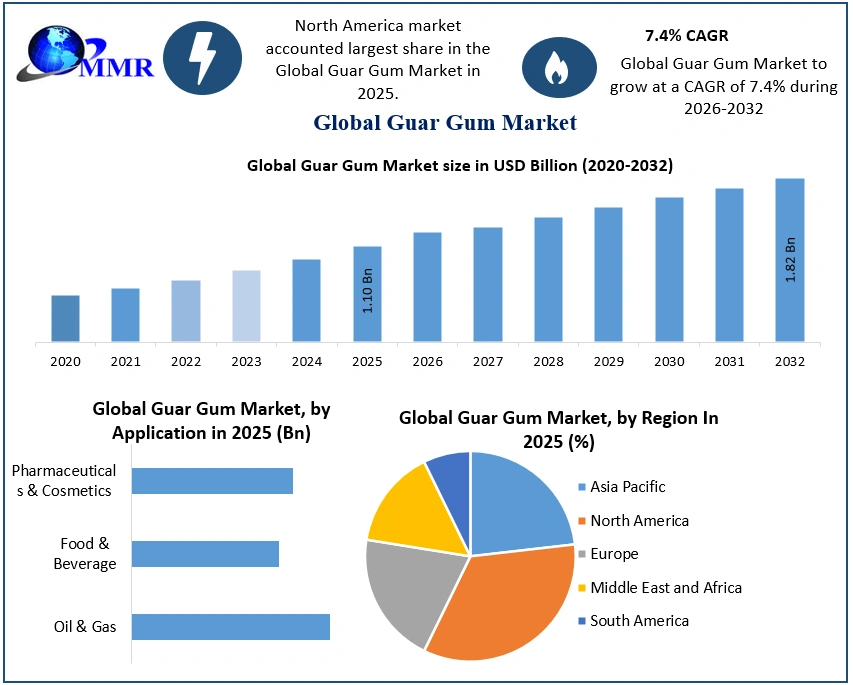
Global Guar Gum Market Worth USD 1.39 Billion in 2024 to Reach USD 2.18 Billion by 2033 at 5.1% CAGR Amid Food Innovation Boom and Sustainable Food Processing Transformation The global Guar Gum Market is entering a transformative growth phase as food-tech innovation, clean-label consumption trends, sustainable food processing, and premium consumer preferences reshape the future of the...
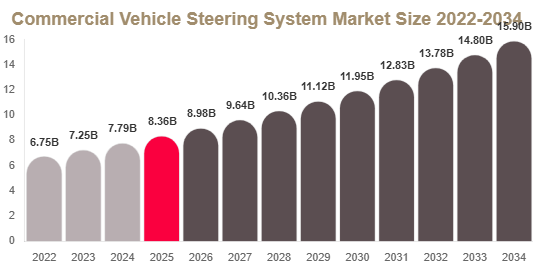
Commercial Vehicle Steering System Market The Commercial Vehicle Steering System Market is witnessing steady expansion due to increasing demand for heavy-duty transportation, rising global logistics activities, and continuous advancements in vehicle control technologies. Steering systems in commercial vehicles play a critical role in ensuring maneuverability, safety, and driving comfort under...
The newly published report, “Global Landscaping Services Market Share and Ranking, Overall Sales and Demand Forecast 2026–2033,” by Exactitude Consultancy offers a detailed and data-driven overview of the global Landscaping Services market. This report provides a comprehensive evaluation of market size, share, demand trends, and current industry conditions, along...

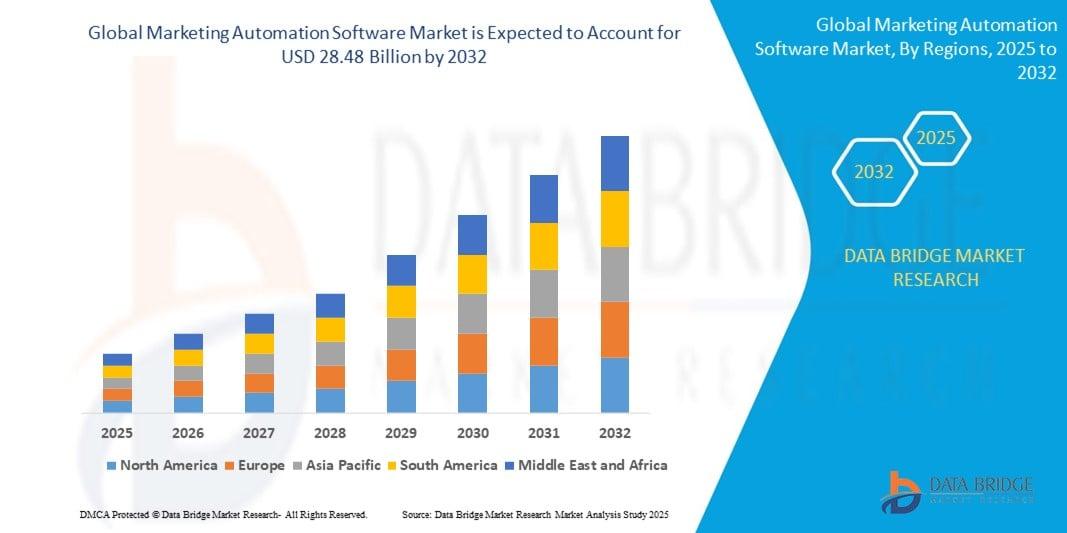
" Market Summary: According to the latest report published by Data Bridge Market Research, the Market The global marketing automation software market size was valued at USD 11.42 billion in 2024 and is expected to reach USD 28.48 billion by 2032, at a CAGR of 12.10% during the forecast period Market analysis report has studied key opportunities in...