


Why Fire Safety Starts With the Equipment You Choose
Fire safety often feels like something we only think about after an incident makes the news. In reality, it’s a quiet, ongoing process that starts long before smoke or flames appear. At the center of that process is fire protection equipment—the tools and systems designed to detect, control, and limit fire damage while protecting lives.
For many property owners, managers, and business operators, the topic can feel technical or overwhelming. But when broken down clearly, fire protection equipment is less about complex systems and more about preparation, balance, and responsibility.
Fire Protection Equipment Is About Layers, Not One Solution
One common misconception is that a single piece of equipment can “cover” fire safety. In practice, effective fire protection works in layers. Detection, suppression, containment, and communication all play a role, and each depends on different types of equipment working together.
Smoke detectors and fire alarms serve as early warning tools, giving occupants time to react. Fire extinguishers offer immediate response for small, contained fires. Sprinkler systems and suppression equipment step in when a fire grows beyond manual control. Emergency lighting and exit signage guide people to safety when visibility is reduced.
None of these tools replace the others. Instead, they support one another in ways that make response faster and safer.
Why Equipment Selection Depends on the Space
Fire protection equipment is not one-size-fits-all. A small office, a warehouse, and a multi-unit residential building all face different risks. The materials inside the space, how people move through it, and how the building is used daily all influence what type of equipment is appropriate.
For example, a commercial kitchen requires suppression systems designed for grease fires, while an industrial facility may need equipment capable of handling electrical or chemical hazards. Even within the same building, different areas may call for different protection strategies.
This is why thoughtful planning matters. Choosing equipment based only on minimum requirements often leaves gaps that become visible during emergencies.
Maintenance Is Just as Important as Installation
Installing fire protection equipment is only the first step. Over time, devices can wear down, lose pressure, or fail to operate as expected. Regular inspection and servicing help ensure that equipment works when it’s needed most.
Fire extinguishers need pressure checks. Alarm systems require testing. Sprinkler heads must remain unobstructed. These tasks are easy to overlook, especially when everything appears fine on the surface. However, most equipment failures occur because of neglect, not design flaws.
A consistent maintenance routine helps protect both people and property, while also supporting compliance with safety standards.
Fire Protection Equipment and Human Behavior
Even the best equipment relies on people knowing how to respond. Clear signage, accessible extinguishers, and audible alarms only work if occupants recognize their purpose. When equipment is thoughtfully placed and easy to understand, it naturally supports better decision-making during stressful situations.
Training and awareness don’t need to be complex. Simple walkthroughs, visible instructions, and occasional reminders help ensure that equipment becomes familiar rather than intimidating.
Thinking Long-Term About Fire Safety
Fire protection equipment should be viewed as a long-term investment rather than a short-term requirement. As buildings change, occupancy shifts, or operations expand, equipment needs may change as well. Periodic evaluations help ensure that protection evolves alongside the space it serves.
Rather than reacting after a close call, proactive planning creates safer environments where risks are reduced quietly and consistently.
📍 Visit: 2020 Broadway St NE Ste 100, Minneapolis, MN 55413
📞 Call: (800) 450-2885
Kategoriler
Read More
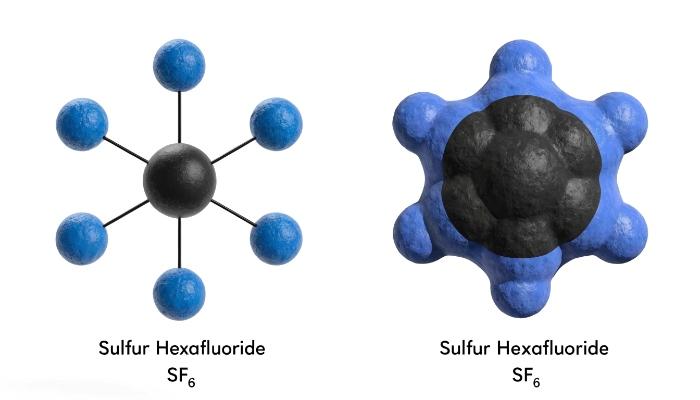
Introduction: Sulfur hexafluoride prices in 2025 showed a firm and slightly fluctuating trend across key regions. The movement was influenced by rising demand from the electrical industry, regulatory controls, and production costs. Supply conditions and environmental policies also played an important role in shaping overall pricing dynamics. Looking ahead, the sulfur hexafluoride price...
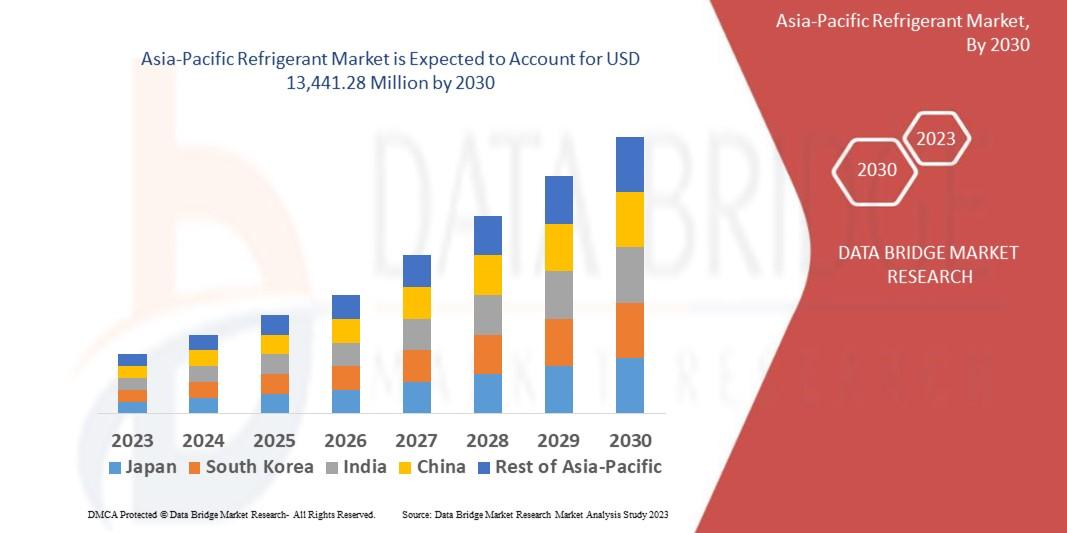
The Asia-Pacific refrigerant market has emerged as one of the most dynamic and rapidly evolving segments of the global chemicals and HVAC ecosystem. Driven by fast-paced urbanization, rising disposable incomes, expanding industrial activity, and increasing demand for cooling across residential, commercial, and industrial sectors, the region represents a major growth engine for...
Removing unwanted tattoos has become increasingly easy and effective with modern technology. Among the advanced options available, Pico Laser Treatment in Riyadh stands out as a revolutionary solution. This method combines speed, safety, and precision, making it one of the most sought-after treatments today. Whether you have small ink designs or large, intricate tattoos, this treatment...

When traveling to or from one of London’s bustling airports, the first thought for many passengers is how to balance comfort, convenience, and affordability. For years, travelers have had to choose between luxury chauffeur services with high costs or budget options that lack reliability and comfort. Today, a new wave of airport transfer solutions is bridging this gap—offering...

Dear Dr. Jay, I’ve been hearing more about how cosmetic procedures like Botox and dermal fillers might have an impact on mental health. Can you explain how these treatments can affect a patient’s psychological well-being and why it’s important for healthcare professionals to be aware of this connection? Sincerely,Curious Caregiver Dear Curious Caregiver, It’s a great...