


scuba diving
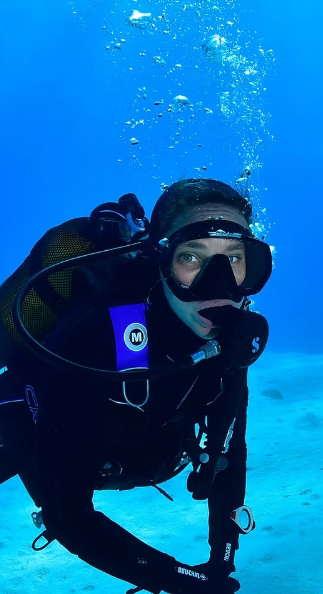
Scuba diving is one of the most exciting ways to explore the world beneath the waves. Unlike snorkeling, scuba diving allows you to go deeper, stay longer underwater, and experience marine life up close. From colorful coral reefs to mysterious shipwrecks, scuba diving offers adventures that are thrilling, relaxing, and educational all at once.
What Is Scuba Diving?
Scuba diving is an underwater activity where divers use a self-contained breathing apparatus (SCUBA) to explore oceans, seas, and lakes safely. Divers wear equipment such as tanks, regulators, wetsuits, masks, and fins to navigate underwater while breathing normally. This equipment allows for extended dives at depths unreachable by free diving, opening up the chance to see marine life in its natural habitat.
Benefits of Scuba Diving
Scuba diving is not just a recreational activity—it also offers numerous physical and mental benefits:
-
Physical Fitness: Diving improves flexibility, strength, and cardiovascular health as you swim and maneuver underwater.
-
Mental Well-being: The weightless underwater environment promotes calmness, reduces stress, and encourages mindfulness.
-
Environmental Awareness: Divers learn about marine ecosystems, coral reefs, and conservation, helping to foster respect for the ocean.
Popular Scuba Diving Destinations
The world is full of incredible diving spots that cater to both beginners and advanced divers:
-
Great Barrier Reef, Australia: Famous for its vast coral reefs and abundant marine life.
-
Red Sea, Egypt: Known for crystal-clear waters, colorful reefs, and historic shipwrecks.
-
Maldives: Offers tropical atolls, vibrant coral, and diverse fish species.
-
Philippines: Recognized for its biodiversity and dramatic underwater landscapes.
-
New Caledonia: Ideal for unique coral formations, drift dives, and liveaboard experiences.
Each location provides unique opportunities, from beginner-friendly shallow dives to advanced deep-sea explorations.
Preparing for Your First Scuba Dive
Before your first dive, preparation is key:
-
Certification: Beginners should complete a recognized scuba course, such as PADI Open Water.
-
Health Check: Ensure you are physically fit and free of conditions that may interfere with diving.
-
Equipment: Use properly maintained gear that fits well and is comfortable.
-
Dive Planning: Understand dive sites, emergency protocols, and environmental rules.
Safety Tips for Scuba Diving
-
Always dive with a buddy and follow instructor guidance.
-
Monitor your depth and air supply carefully.
-
Ascend slowly to avoid decompression sickness.
-
Respect marine life—avoid touching or disturbing creatures and coral.
Conclusion
Scuba diving is more than an adventure—it’s a way to connect with the ocean and witness its incredible beauty. Whether exploring a local dive site or traveling to a tropical destination, scuba diving offers unforgettable experiences, physical benefits, and mental relaxation. With proper training, equipment, and safety precautions, every dive can be a journey of discovery and wonder, leaving divers with memories that last a lifetime.
Категории
Больше
A mobile-friendly website is essential for businesses that want to provide a smooth browsing experience across smartphones, tablets, and different screen sizes. A professional website design company in Australia focuses on creating websites that load quickly, display properly, and offer simple navigation for mobile users. From responsive layouts and optimized images to touch-friendly features...

The real estate market value in New York is shaped by a combination of economic, demographic, and regional factors. As one of the most dynamic property markets in the United States, New York experiences continual fluctuations in property values, influenced by demand, inventory levels, interest rates, and urban development trends. In major boroughs like Manhattan and Brooklyn, real estate market...

Choosing the right box style usually depends on the purpose and audience you are targeting. Many companies rush this step and end up with something generic that feels forgettable. When exploring Luxury Corporate Gift Boxes Qatar, focus on materials first, not just visual appeal or color themes. Rigid boxes, magnetic closures, and textured finishes tend to last longer and create stronger...

The global crane industry is experiencing a notable surge in demand, and at the heart of this growth sits a compact yet powerful equipment category — the carry deck crane. Compact, maneuverable, and capable of operating in confined spaces, carry deck cranes have become indispensable across construction sites, mining operations, oil and gas facilities, and manufacturing plants....
Global prefabricated home market, valued at USD 153.4 billion in 2024, is projected to grow from USD 164.8 billion in 2025 to USD 258.3 billion by 2032, exhibiting a compound annual growth rate (CAGR) of 6.7% during the forecast period. Download FREE Sample Report: https://www.24chemicalresearch.com/download-sample/234634/global-prefabricated-home-forecast-market This robust expansion...