Legal Risks and Employer Obligations in the Use of Artificial Intelligence (AI) Tools in Workplace Hiring and Monitoring
Artificial intelligence (AI) has become increasingly common in workplace hiring and employee monitoring. Employers now rely on automated systems to screen resumes, analyze interviews, track productivity, and monitor workplace behavior. While these tools promise efficiency and consistency, they also introduce legal risks that intersect directly with employment law, privacy protections, and discrimination standards. Understanding these risks is essential for employers and employees alike as AI-driven decision-making continues to expand.
This article examines the legal implications of AI use in hiring and monitoring, focusing on employer obligations, employee rights, and emerging concerns under employment law.
How AI Is Used in Workplace Hiring and Monitoring
AI tools are frequently used during early hiring stages to filter resumes, rank candidates, and assess qualifications based on predefined criteria. Some systems analyze speech patterns, facial expressions, or word choice during video interviews, while others evaluate online assessments to predict job performance.
In the workplace, AI monitoring tools track keystrokes, screen activity, attendance patterns, location data, and productivity metrics. These systems are often justified as performance management tools, especially in remote or hybrid work environments. However, the scope and intensity of monitoring raise questions about employee consent, data use, and legal accountability.
Discrimination Risks Associated With AI Hiring Tools
One of the most significant legal concerns surrounding AI in hiring is discrimination. AI systems are trained using historical data, which may reflect existing biases related to race, age, gender, disability, or other protected characteristics. If unchecked, these systems can replicate or amplify discriminatory outcomes, even when discrimination is unintentional.
Employment law recognizes both intentional discrimination and outcomes that result in unequal treatment. Courts increasingly examine whether AI systems produce unlawful results under the concept of disparate impact in employment discrimination. If an AI hiring tool disproportionately excludes qualified candidates from protected groups, employers may still be held responsible, regardless of whether the system was automated.
This risk is particularly relevant in jurisdictions where employment discrimination enforcement remains active, including employment discrimination in West Virginia. Employers operating in such states must consider how AI decisions align with state and federal protections.
Employer Obligations When Using AI in Employment Decisions
Employers remain legally responsible for employment decisions, even when those decisions are influenced or made by AI systems. Using automated tools does not eliminate the duty to comply with employment laws related to fairness, transparency, and equal opportunity.
Key employer obligations include:
• Ensuring AI tools do not screen out candidates based on protected characteristics
• Regularly auditing AI systems for bias and accuracy
• Maintaining documentation explaining how automated decisions are made
• Providing reasonable accommodations when AI tools disadvantage individuals with disabilities
Employers must also understand that delegating hiring or monitoring decisions to third-party AI vendors does not shift liability. If a system leads to discriminatory outcomes or violates employee rights, responsibility generally remains with the employer.
AI Monitoring, Privacy, and Employee Rights
AI-driven workplace monitoring raises separate legal concerns related to privacy and data protection. While employers may monitor workplace activity, monitoring must be balanced against reasonable expectations of privacy, especially when surveillance extends beyond work-related tasks.
Employees increasingly question how data is collected, stored, and used, particularly when monitoring occurs continuously or without clear disclosure. Legal analysis often focuses on workers’ rights and AI surveillance technology, including whether employees were notified and whether monitoring practices are proportional to legitimate business needs.
In some cases, AI monitoring can contribute to hostile work environments or exacerbate power imbalances, especially when used by supervisors inappropriately. Issues related to abusive management and employee rights may arise when AI tools are used to intimidate, retaliate against, or unfairly discipline employees.
Retaliation and Misuse of AI Data
AI monitoring systems can also be misused to identify employees who engage in protected activities, such as reporting misconduct, requesting accommodations, or raising workplace concerns. When AI data is used to justify adverse actions against employees engaging in legally protected behavior, retaliation claims may follow.
Employment law prohibits retaliation even when decision-making appears neutral on its face. If AI tools are used to target employees based on protected conduct or characteristics, employers may face claims related to workplace discrimination under employment law.
The use of AI does not change these legal standards. Instead, it adds complexity by making it harder for employees to understand or challenge automated decisions.
Transparency and Accountability Challenges
A core issue with AI employment tools is opacity. Many AI systems function as “black boxes,” providing outputs without clear explanations. This lack of transparency can complicate internal compliance efforts and make it difficult for employers to demonstrate lawful decision-making if challenged.
From a legal standpoint, employers benefit from systems that allow meaningful review and human oversight. Clear documentation, accessible explanations, and internal accountability processes help mitigate legal risk and support compliance with evolving regulatory expectations.
Preparing for Evolving AI Employment Regulations
Regulators and courts continue to evaluate how existing employment laws apply to AI-driven decisions. While comprehensive AI-specific employment regulations are still developing, employers are increasingly expected to act proactively rather than reactively.
Practical risk management steps include:
• Conducting regular bias audits of AI tools
• Limiting monitoring to legitimate business purposes
• Training managers on lawful AI use
• Updating workplace policies to address automated systems
Employees, meanwhile, benefit from understanding how AI may affect hiring, evaluation, and discipline, as well as what rights remain protected under current law.
Frequently Asked Questions
Is AI hiring legal under employment law?
Yes, AI hiring is generally legal, but employers must ensure that its use does not result in unlawful discrimination or violate employment protections.
Can AI workplace monitoring violate employee privacy?
It can, depending on how monitoring is conducted, whether employees are informed, and whether the scope of monitoring is reasonable and job-related.
Who is responsible if an AI system makes a discriminatory decision?
Employers are typically responsible, even if the AI system was developed or operated by a third party.
Do employees have the right to challenge AI-based decisions?
Employees may challenge decisions if they believe AI use resulted in discrimination, retaliation, or other unlawful employment practices.
Conclusion
AI tools are reshaping workplace hiring and monitoring, offering efficiency alongside new legal challenges. Employers must navigate discrimination risks, privacy concerns, and accountability obligations while ensuring compliance with employment law. As AI use expands, careful oversight, transparency, and respect for employee rights remain central to lawful and responsible workplace practices.

Categorie
Leggi tutto
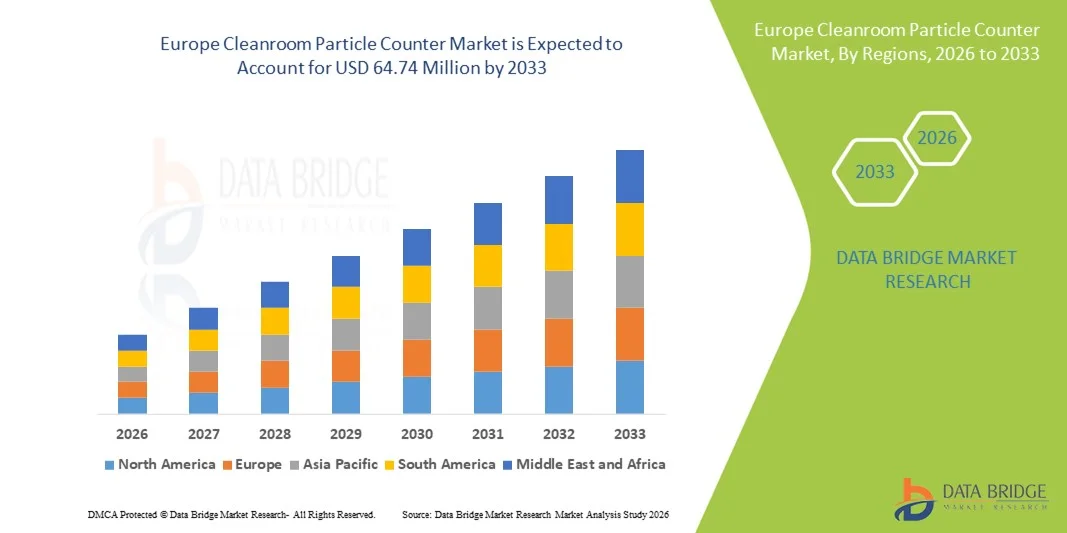
"Key Drivers Impacting Executive Summary Europe Cleanroom Particle Counter Market Size and Share The Europe cleanroom particle counter market size was valued at USD 34.98 million in 2025 and is expected to reach USD 64.74 million by 2033, at a CAGR of 8.00% during the forecast period The Europe Cleanroom Particle Counter Market report contains market...
L'enthousiasme grandit parmi les joueurs du monde entier concernant la version mobile de Valorant. Après avoir conquis le secteur du PC, le jeu tactique de Riot Games pourrait bientôt faire son apparition sur les appareils mobiles, suscitant beaucoup d'excitation. Les fans se demandent si cette adaptation sera fidèle à l'expérience compétitive qui a fait...

Finding the right piece of land to build your dream home is a big decision. It requires careful thought about location, builder reputation, and price. You want a place that offers space, peace, and good future value. If you are looking for such a place, now is the right time to act. You can now Secure Your Shriram Upcoming Project in Doddaballapur at Pre-Launch. This new venture by a...

" According to the latest report published by Data Bridge Market Research, the High Purity Yttrium Oxide Market The global high purity yttrium oxide market size was valued at USD 2.40 billion in 2024 and is projected to reach USD 3.13 billion by 2032, with a CAGR of 3.40% during the forecast period of 2025 to 2032. In this persuasive High Purity Yttrium Oxide Market report,...

Аналитический портал Esports Charts подвёл итоги 2021 года, представив рейтинг пяти самых просматриваемых киберспортивных дисциплин. При составлении списка были учтены данные более чем 100 игр, однако китайские стриминговые сервисы в расчёт не принимались. Итоги года подтвердили устойчивый рост мобильного киберспорта, тогда как популярность крупных PC- и консольных проектов осталась на высоком...