CNC Tool Buying Guide for Manufacturers
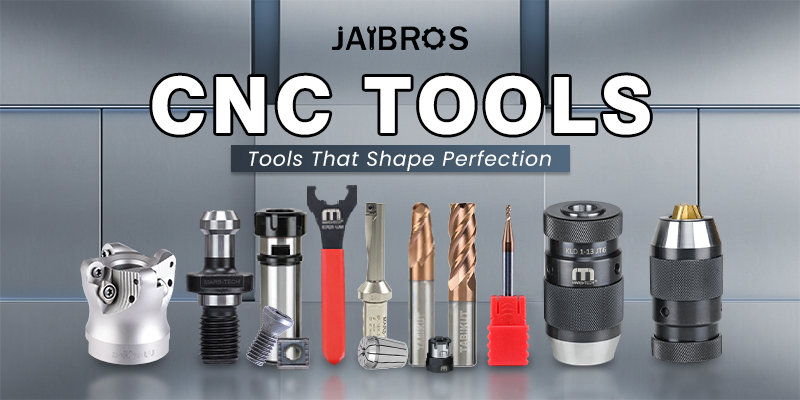
A complete CNC tool buying guide for manufacturers covering CNC machine price, compatibility, tool life, productivity, and machining efficiency.
CNC Tool Buying Guide: What Manufacturers Should Know
Purchasing the right machining equipment is a strategic decision that directly affects productivity, quality, and long-term profitability. In today’s competitive manufacturing environment, even small inefficiencies can lead to higher costs and missed deadlines. That is why understanding tooling requirements before investing is critical. A well-chosen CNC tool helps manufacturers achieve consistent accuracy, reduce downtime, and improve overall operational efficiency.
Understand Your Application Requirements
Every manufacturing operation has unique needs. Before selecting any tooling solution, manufacturers must clearly define their application. Factors such as material type, part complexity, tolerance requirements, and production volume play a key role.
For example, machining aluminum requires different cutting characteristics compared to stainless steel or hardened alloys. Operations involving CNC milling may demand tools with higher rigidity and better chip evacuation. Matching tooling to application requirements ensures stable cutting performance and reduces unnecessary wear.
Evaluate Compatibility with CNC Machine Tools
Tooling must be compatible with existing CNC machine tools to avoid integration issues. Spindle type, tool holder standards, and machine power all influence tooling selection.
A CNC tool that aligns perfectly with machine specifications delivers smoother operation and better surface finish. Incompatible tooling can cause vibration, poor accuracy, and premature failure, increasing maintenance costs.
Analyze CNC Machine Price vs Tooling Investment
While CNC machine price often receives most of the attention, tooling investment is equally important. High-performance tooling may cost more upfront but usually delivers better productivity and longer service life.
Manufacturers should evaluate tooling cost in terms of cost per part rather than purchase price alone. Durable tools reduce frequent replacements, minimize downtime, and support stable production output.
Consider Tool Material and Coating Options
Tool material and coatings significantly affect performance. Carbide, ceramic, and advanced coated tools offer different benefits depending on cutting conditions.
Coated tools reduce friction and heat buildup, improving wear resistance during high-speed operations. Selecting the right combination ensures the CNC tool performs consistently across long production runs without compromising accuracy.
Flexibility and Range of CNC Tools
Manufacturers often handle multiple jobs and materials. Investing in flexible tooling systems allows quick changeovers and supports a wider range of applications.
A diverse tooling setup reduces the need for multiple specialized tools and simplifies inventory management. Access to standardized CNC tools also makes replacements easier and more cost-effective.
Productivity and Cycle Time Optimization
The right tooling directly impacts cycle time. Efficient cutting geometry and proper tool selection allow higher feed rates without sacrificing quality.
In CNC milling operations, optimized tooling improves chip control and surface finish, reducing secondary operations. Over time, even small cycle-time reductions translate into significant productivity gains.
Tool Life and Maintenance Requirements
Tool life affects both cost and production stability. Tools that wear quickly require frequent changes, interrupting workflow and increasing labor costs.
A reliable CNC tool maintains its cutting edge longer, ensuring consistent results. Manufacturers should also consider ease of maintenance and reconditioning options when evaluating tooling solutions.
Supplier Reliability and Technical Support
Tool performance is closely linked to supplier quality. Reliable suppliers provide consistent products, technical guidance, and after-sales support.
Access to application support helps manufacturers optimize cutting parameters and resolve machining challenges quickly. Strong supplier partnerships enhance the long-term value of tooling investments.
Safety and Process Stability
Well-designed tooling improves process stability by reducing vibration and cutting forces. Stable processes enhance operator safety and protect machine components.
Tooling that produces predictable results also simplifies quality control and reduces scrap rates, contributing to a safer and more efficient shop floor.
Future Scalability and Automation Readiness
Manufacturing needs evolve over time. Tooling systems that support automation, tool monitoring, and high-speed machining provide long-term scalability.
Choosing solutions that adapt to future production requirements ensures that your CNC tool investment remains valuable as technology advances.
Conclusion
Selecting the right tooling is not just a purchasing decision—it is a strategic investment in manufacturing efficiency and quality. By evaluating application needs, machine compatibility, tooling materials, and supplier support, manufacturers can make informed choices that deliver long-term benefits. A well-selected CNC tool improves productivity, reduces operating costs, and supports consistent machining performance.
For manufacturers seeking dependable and high-performance solutions, Jaibros offers a wide range of precision-engineered tooling products designed to meet modern machining demands. With a strong focus on quality, reliability, and technical support, Jaibros helps manufacturers achieve efficient, accurate, and sustainable production outcomes.
Frequently Asked Questions (FAQs)
1. Why is tooling selection important in CNC machining?
Proper tooling improves accuracy, productivity, and tool life while reducing downtime.
2. How does tooling affect CNC machine price efficiency?
Efficient tooling lowers cost per part and maximizes machine utilization over time.
3. Can one tooling setup handle multiple materials?
Some tools are versatile, but optimal performance usually requires material-specific tooling.
4. How often should CNC tools be replaced?
Replacement depends on material, cutting conditions, and tool quality.
5. Why should manufacturers work with reliable tooling suppliers?
Trusted suppliers provide consistent quality, technical support, and long-term value.
Categories
Read More
The narrative around ethnic fashion has drastically shifted over the last few years. While traditional attire was once reserved primarily for elaborate celebrations, family functions, and festivals, the modern woman is actively reclaiming it for her daily life. Today, whether you are walking into a high-stakes corporate meeting, hosting a casual brunch, or running errands around town, a saree...

Healthcare OEM Market Analysis: The global healthcare OEM market is experiencing rapid growth due to increasing demand for advanced medical devices, rising healthcare infrastructure investments, and growing adoption of digital healthcare technologies. According to the latest report by Straits Research, the global healthcare OEM market size was valued at USD 230.77 billion in...

"Cycling Jersey Market Summary: According to the latest report published by Data Bridge Market Research, the Cycling Jersey Market The Global Cycling Jersey Market was valued at USD 5.90 billion in 2025 and is projected to reach USD 10.13 billion by 2033, registering a CAGR of 7.00% over the forecast period. The large scale Cycling Jersey Market report comprises of historic data...

I casino online hanno attraversato un processo di evoluzione strutturale che li ha portati a diventare piattaforme digitali altamente sofisticate e interattive. Questa trasformazione è stata guidata dalla crescente domanda di esperienze immersive e dalla rapida innovazione tecnologica nel settore del software distribuito. Architetture distribuite e gestione intelligente del...
In today’s competitive digital marketplace, having an ecommerce website alone is not enough to generate consistent sales and traffic. Businesses need strong search engine visibility to attract potential customers and stay ahead of competitors. This is where professional ecommerce SEO packages become important for improving rankings, increasing organic traffic, and growing online sales....