


Revision Bariatric Surgery – Corrective Procedures
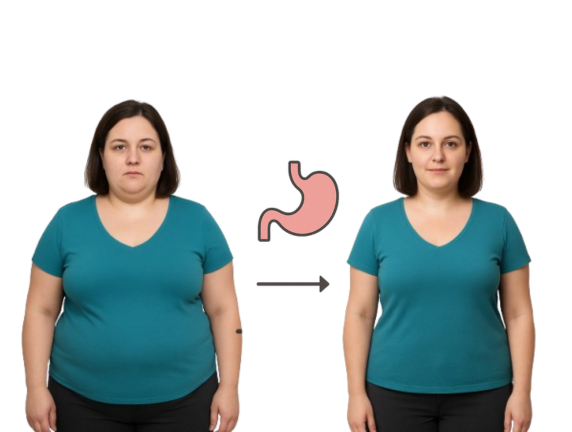
Bariatric surgery has transformed the lives of millions struggling with obesity, helping them achieve lasting weight loss and improved health. However, in some cases, patients may face complications, insufficient weight loss, or weight regain after their initial procedure. For these individuals, Revision Bariatric Surgery provides a safe and effective solution to correct issues and enhance long-term outcomes.
What is Revision Bariatric Surgery?
Revision bariatric surgery refers to a secondary or corrective operation performed after an initial weight-loss surgery. The goal is to address problems from the first procedure or improve weight-loss results.
Common reasons for revision surgery include:
-
Insufficient Weight Loss: Patients who do not achieve expected results after the first surgery.
-
Weight Regain: Gradual weight gain may occur years after the initial procedure due to anatomical changes or lifestyle factors.
-
Surgical Complications: Issues like ulcers, strictures, reflux, or gastric band problems may require correction.
A skilled bariatric surgeon will carefully evaluate the patient’s history, anatomy, and health goals before recommending the most suitable revision procedure.
Types of Revision Bariatric Surgery
Revision surgery is highly personalized, depending on the initial procedure and patient needs. Common types include:
-
Sleeve to Gastric Bypass Conversion: Converts a previous sleeve gastrectomy into a gastric bypass to enhance weight loss and address reflux or metabolic issues.
-
Band to Sleeve or Bypass Conversion: Patients with adjustable gastric bands may switch to a sleeve or bypass for more effective long-term results.
-
Re-Sleeve Procedure: In select cases, the stomach sleeve can be resized to further restrict food intake.
-
Duodenal Switch Revision: Advanced procedure for patients requiring additional weight loss or metabolic improvement.
Each approach is tailored to maximize weight loss while minimizing risks and complications.
Benefits of Revision Surgery
Revision bariatric surgery offers numerous advantages:
-
Improved Weight Loss: Corrects issues that prevent effective results from the first surgery.
-
Better Health Outcomes: Helps manage or resolve conditions such as diabetes, hypertension, and sleep apnea.
-
Resolution of Complications: Addresses digestive or surgical issues from the original procedure.
-
Enhanced Quality of Life: Restores mobility, confidence, and overall well-being.
Recovery and Lifestyle Considerations
Recovery from revision surgery is similar to primary bariatric procedures but may require more careful monitoring due to increased complexity:
-
Hospital Stay: Typically 2–4 days, depending on the procedure and individual recovery.
-
Diet Progression: Patients begin with liquids, gradually moving to soft and then solid foods under the guidance of a dietitian.
-
Nutritional Supplements: Lifelong vitamin and mineral supplementation is often required to prevent deficiencies.
-
Exercise: Physical activity should be resumed gradually to support metabolism, prevent muscle loss, and aid weight maintenance.
-
Follow-Up Care: Regular check-ups with your surgeon and dietitian ensure proper healing, monitor weight loss, and prevent complications.
Risks and Considerations
Revision bariatric surgery is generally safe when performed by experienced surgeons but carries slightly higher risks than primary procedures:
-
Surgical complications such as infection, bleeding, or leaks
-
Nutrient deficiencies due to altered digestion
-
Longer recovery periods compared to primary surgery
-
Lifelong commitment to diet, supplements, and lifestyle changes
Despite these risks, revision surgery is highly effective in restoring results and improving overall health.
Is Revision Bariatric Surgery Right for You?
Revision surgery is not necessary for everyone but is recommended for patients experiencing unsatisfactory results or complications after their initial procedure. A thorough consultation with a qualified bariatric surgeon will help determine:
-
Whether revision surgery is appropriate
-
Which type of revision procedure is best suited
-
The expected outcomes, risks, and lifestyle adjustments
Conclusion
Revision Bariatric Surgery provides a second chance for patients seeking to achieve their weight-loss goals and improve health after a previous bariatric procedure. By addressing complications, enhancing results, and supporting long-term well-being, revision surgery offers patients the opportunity to regain confidence, mobility, and a healthier life.
Take the next step today—consult an experienced bariatric surgeon to explore revision options tailored to your needs and goals.
Categorii
Citeste mai mult
The Global Anti-Wear Additives Market, valued at USD 736.5 million in 2023, is projected to reach USD 936.1 million by 2032, growing at a compound annual growth rate (CAGR) of 2.7% over the forecast period from 2024 to 2032. Market growth is fueled by increasing demand in automotive lubricants, metalworking fluids, hydraulic systems, and industrial applications, along with the rising need...

In the fast-growing world of online betting and gaming, trust is everything. Players want a platform that is secure, easy to use, and backed by reliable support. This is exactly why the Mahadev Book login experience has earned the confidence of thousands of players across India. From seamless access to 24×7 customer support, Mahadev Book stands out as one of the most...

"Executive Summary High Capacity Power Banks Market: Share, Size & Strategic Insights CAGR Value Global High Capacity Power Banks Market was valued at USD 4,200.0 million in 2021 and is expected to reach USD 5837.02 million by 2029, registering a CAGR of 4.20% during the forecast period of 2022-2029. For an excellent outcome of High Capacity Power Banks Market report,...

Documentary film production is one of the most powerful ways to communicate real stories, inspire audiences, and build meaningful brand connections. In a city like Dubai—known for its innovation, diversity, and global appeal—brands, organizations, and creators are increasingly turning to documentaries to showcase their journeys, achievements, and impact. If you’re searching...

In the era of digital transformation, data has become one of the most valuable resources for businesses. Organizations across industries rely on data to understand customer behavior, improve decision-making, and gain a competitive advantage. As a result, the demand for skilled data analysts continues to rise, creating exciting career opportunities for aspiring professionals. For students and...
