


Navigating the Storm: The Dual Challenges and Strategic Pivots for Global Chemical Companies

The global chemical industry is confronting its most significant structural upheaval in decades. Chemical companies worldwide are squeezed by a protracted downturn characterized by weak demand, severe overcapacity, and soaring operational costs, forcing a fundamental re-evaluation of their strategies for survival and future growth.
A Multifaceted Crisis: The Immediate Challenges
The current Crisis for chemical companies is not cyclical but structural, marked by three interconnected pressures. First, a persistent demand slump, triggered by global inflation and high interest rates, has severely impacted key downstream sectors like construction and consumer durables. In Europe, the crisis is particularly acute, with industry capacity utilization plummeting to a historic low of 70%—far below profitable levels. Second, massive overcapacity, primarily fueled by aggressive capital expenditure in Asia (accounting for 70% of global spending), has created a global supply glut estimated at 20-25% above demand. This has collapsed prices and profit margins, pushing many firms, especially in Europe and parts of Asia, into loss-making territory. Third, geopolitical tensions and policy shifts have exacerbated these issues. Soaring energy costs in Europe and rising global trade barriers, such as new U.S. tariffs, have disrupted supply chains and further eroded competitiveness. Consequently, a wave of restructuring is underway, with major chemical companies announcing plant closures, asset sales, and workforce reductions to preserve cash.
Strategic Response: From Cost-Cutting to Value Creation
In response, leading chemical companies are adopting a dual-strategy approach: rigorous financial defense paired with a strategic pivot toward value creation. Initially, strict cost discipline is paramount. Firms are shutting down high-cost assets, optimizing supply chains, and divesting non-core businesses to strengthen their balance sheets. For instance, Dow has closed European plants to ensure 75% of its production sits in the global lowest-cost quartile.
However, consulting firm Accenture emphasizes that chemical companies must look beyond mere cost reduction. The new imperative is creating superior value for customers through enhanced operational services. Research indicates that 36% of chemical buyers are willing to pay a premium of 5% or more for services like reliable delivery, quality technical support, and robust data security. Therefore, chemical companies are increasingly leveraging digital tools—such as AI-driven logistics, e-commerce platforms, and data analytics—to differentiate themselves not just on product price, but on service excellence and reliability.
The Path Forward: Specialization and Sustainable Transformation
The long-term survival strategy involves a fundamental portfolio transformation along two axes: specialization and sustainability. Confronted with brutal competition in bulk chemicals, chemical companies are shifting resources to high-value, high-growth niches. These include advanced materials for semiconductors, electric vehicle batteries, and healthcare, where competition is based on innovation rather than scale. For example, DuPont has transformed into a focused industrial technology company centered on healthcare and water solutions.
Simultaneously, sustainability is evolving from a compliance cost to a core driver of innovation and competitive advantage. Regulatory and consumer pressure is accelerating investment in circular economy models and green chemistry. Major players are investing billions in chemical recycling technologies (like ExxonMobil's expansion), bio-based feedstocks, and carbon capture solutions. This shift is not only about risk mitigation but about accessing new markets and meeting the evolving demands of downstream customers who prioritize sustainable supply chains.
In conclusion, while navigating a painful period of consolidation, forward-thinking chemical companies are reshaping their futures. They are transitioning from being low-cost commodity suppliers to becoming agile, service-oriented partners that deliver specialized, sustainable solutions. The industry's future will be defined by those who successfully manage this dual transformation, leveraging digitalization for operational excellence while innovating for a greener, more specialized market landscape.
Categorie
Leggi tutto
Tennis Khelo is redefining tennis experiences through a modern and user-friendly digital ecosystem. Players can easily locate a premium Tennis Court, become part of a dynamic tennis club, and engage with enthusiastic tennis players nationwide. The platform simplifies tennis league management by providing advanced organizational tools for clubs and academies. Additionally, its seamless Tennis...

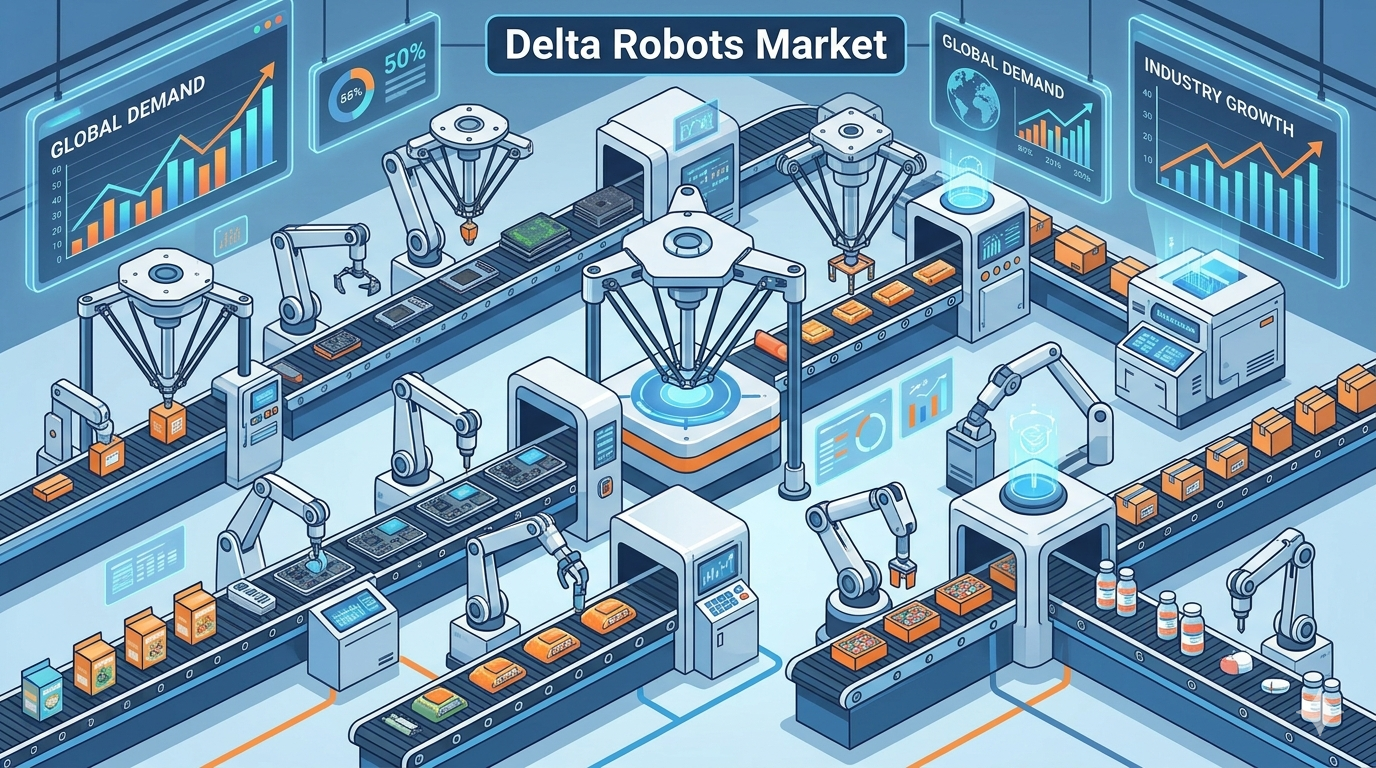
Automation technologies are rapidly reshaping modern manufacturing and production environments, enabling industries to achieve higher efficiency, precision, and productivity. Among the various robotic solutions gaining prominence, delta robots have emerged as one of the most effective systems for high-speed operations. Their lightweight structure and parallel-arm configuration allow quick and...
Introduction Business management is one of the most dynamic and rewarding fields of study. It prepares students to become future leaders, entrepreneurs, consultants, and managers by developing their understanding of business operations, organizational behavior, marketing, finance, human resource management, strategic planning, and decision-making. However, succeeding in business management...

Driving in Florida requires dependable protection that helps you manage unexpected accidents, damages, and financial responsibilities. Whether you commute daily, travel with family, or use your vehicle for business, having suitable coverage provides confidence on the road. Drivers searching for reliable valrico auto insurance can find personalized coverage solutions through Bloomingdale...

The Dimethylformamide Price Trend is an important topic for companies operating in the chemical, pharmaceutical, textile, electronics, and manufacturing industries. Dimethylformamide, commonly known as DMF, is a widely used industrial solvent valued for its excellent dissolving properties and versatility in chemical processes. Because it is used across multiple industries, changes in market...
