


The Growing Demand for Reliable B2B Food Supply in the Gulf
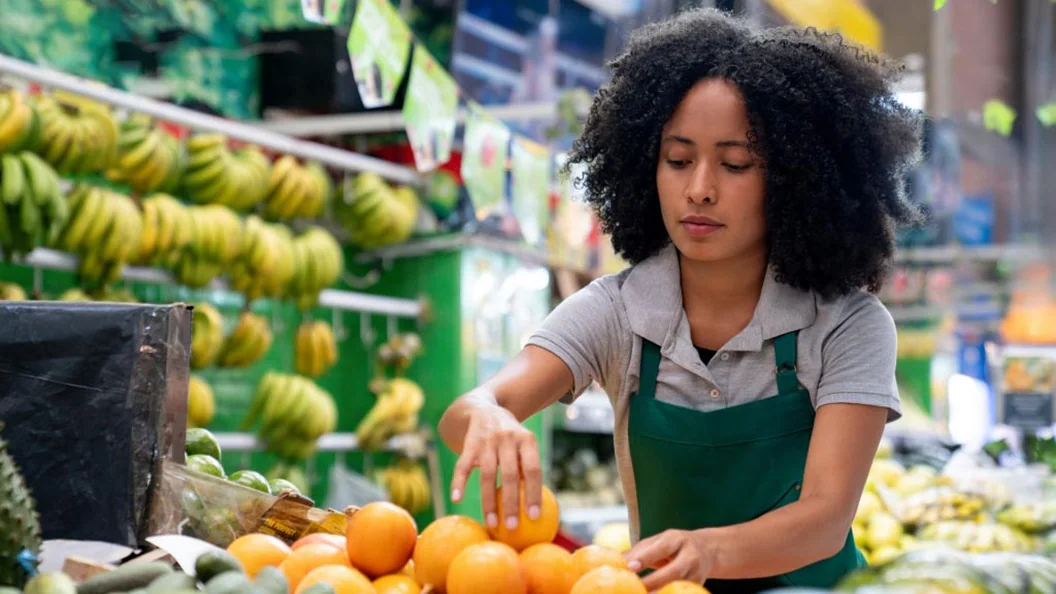
The Gulf region is seeing fast growth in its food industry. Businesses like restaurants, hotels, and supermarkets need steady supplies of fresh ingredients. B2B food supply connects producers with these buyers. It ensures quality, timely deliveries, and fair prices. Demand is rising due to more tourists, growing populations, and changing tastes. Reliable supply means no shortages or spoilage. This keeps businesses running smooth. Unreliable ones lead to waste and lost sales. This guide looks at why demand grows and how reliability helps. It draws from sources like Fortune Business Insights, Statista, and the World Economic Forum. Learn tips to choose good suppliers. Reliable B2B supply supports success in the Gulf's busy market.
Many businesses in the Gulf face supply issues. One restaurant owner dealt with late deliveries. Food spoiled. Guests left unhappy. He switched to a reliable partner. Supplies came fresh and on time. Sales improved. Another hotel chain used consistent sources. Menus stayed the same. Customers returned. Growing demand pushes for better supply. Reliability turns challenges into strengths.
What Is B2B Food Supply in the Gulf
B2B food supply is business-to-business trading of food items. Suppliers sell bulk to buyers like restaurants or stores.
It includes:
- Fresh produce from farms.
- Meats and seafood from processors.
- Dairy and grains from manufacturers.
- Packaged goods for convenience.
In the Gulf, imports make up 85% of food. Local production grows but still small. Suppliers bridge this gap. They ensure safe, halal options for the region.
From Statista, GCC food spending per person is high. Countries like UAE and Qatar lead. This drives B2B demand.
Reasons for Growing Demand
The Gulf's food market expands quickly.
Key reasons:
- Population growth — more people need meals.
- Tourism boom — hotels and eateries serve millions yearly.
- Urban lifestyles — busy folks want ready foods.
- Health trends — demand for organic and plant-based rises.
- Economic development — new businesses open often.
Fortune Business Insights reports GCC food service market from $34.33 billion in 2023 to $62.25 billion by 2030. CAGR 8.87%. This pushes B2B supply needs.
World Economic Forum notes high import reliance. Self-reliance efforts like farming tech increase local supply.
Demand for reliable partners grows with this expansion.
The Importance of Reliability in B2B Supply
Reliability means consistent quality and delivery.
Why it matters:
- Prevents stockouts during peak times.
- Reduces waste from spoiled goods.
- Builds trust with buyers.
- Saves money on rush orders.
- Ensures food safety and halal standards.
Unreliable supply hurts reputation. Customers notice poor meals.
A wholesale chicken supplier in riyadh keeps deliveries fresh. No delays for busy kitchens.
A wholesale fish supplier maintains cold chains. This avoids spoilage in hot weather.
From Ardent Advisory report, vegetable consumption grew at 6.6% CAGR. Reliable supply meets this.
Current Trends in Gulf B2B Food Supply
Trends shape the market.
Popular ones:
- Plant-based and organic foods rising.
- Tech for tracking deliveries.
- Sustainable sourcing to cut imports.
- E-commerce platforms for easy ordering.
- Focus on health and safety post-pandemic.
Smart Food Safe notes demand for functional foods like those with health benefits.
McKinsey highlights nine trends in grocery retail. Consumer preferences shift to fresh and local.
These trends increase need for reliable partners.
Challenges in B2B Food Supply
Issues exist despite growth.
Common:
- High import dependency — delays from abroad.
- Hot climate — spoilage risks rise.
- Supply chain disruptions from weather or events.
- Rising costs for transport and storage.
- Competition from new suppliers.
Overcome with tech like AI tracking and local partnerships.
Zawya reports GCC food security through innovation. This reduces challenges.
Tips for Businesses to Choose Reliable Suppliers
Pick partners wisely.
Do:
- Check certifications like halal or ISO.
- Ask for references from other businesses.
- Visit warehouses to see storage.
- Test small orders first.
- Sign contracts for fixed prices and times.
This ensures steady supply.
Real Examples from Gulf Businesses
Stories show impact.
One UAE hotel chain partnered with local distributors. Fresh produce arrived daily. Menus stayed consistent. Guest satisfaction rose 15%.
A Saudi restaurant used reliable meat suppliers. No shortages during holidays. Sales grew without stress.
Another Dubai cafe focused on organic sources. Quality improved. Health-conscious customers increased.
These from Prnewswire reports on GCC market growth.
The Future of B2B Food Supply in the Gulf
Trends point to more growth.
By 2030:
- More local production to cut imports.
- Tech for faster deliveries.
- Focus on sustainable and healthy options.
- E-commerce for easy B2B trading.
- Government support for food security.
From FAS USDA report, UAE food service grows. Outlets increase to 10,922 by 2025.
Future favors reliable supply. Businesses prepare now.
Final Thoughts
The growing demand for reliable B2B food supply in the Gulf is clear. Population, tourism, and trends drive it. Reliability ensures quality and consistency.
Your business can benefit. Choose trusted suppliers. See improvements quick.
Start researching today. Build strong partnerships.
Reliable supply supports success. Serve customers better every day.
Κατηγορίες
Διαβάζω περισσότερα
The prefabricated marriage hall in chhatarpur, delhi stands as a modern and intelligent solution for anyone planning to host weddings, receptions, or large events in one of the most sought‑after wedding zones of South Delhi. As the wedding industry in Delhi NCR continues to grow rapidly, venue owners and planners are increasingly choosing innovative building solutions that combine speed,...

"Global Executive Summary Butyl Acrylate Market: Size, Share, and Forecast Global butyl acrylate market size was valued at USD 3.89 billion in 2024 and is projected to reach USD 5.79 billion by 2032, with a CAGR of 5.1% during the forecast period of 2025 to 2032. The Butyl Acrylate Market analysis report focuses on leading global industry players, providing information such as company...

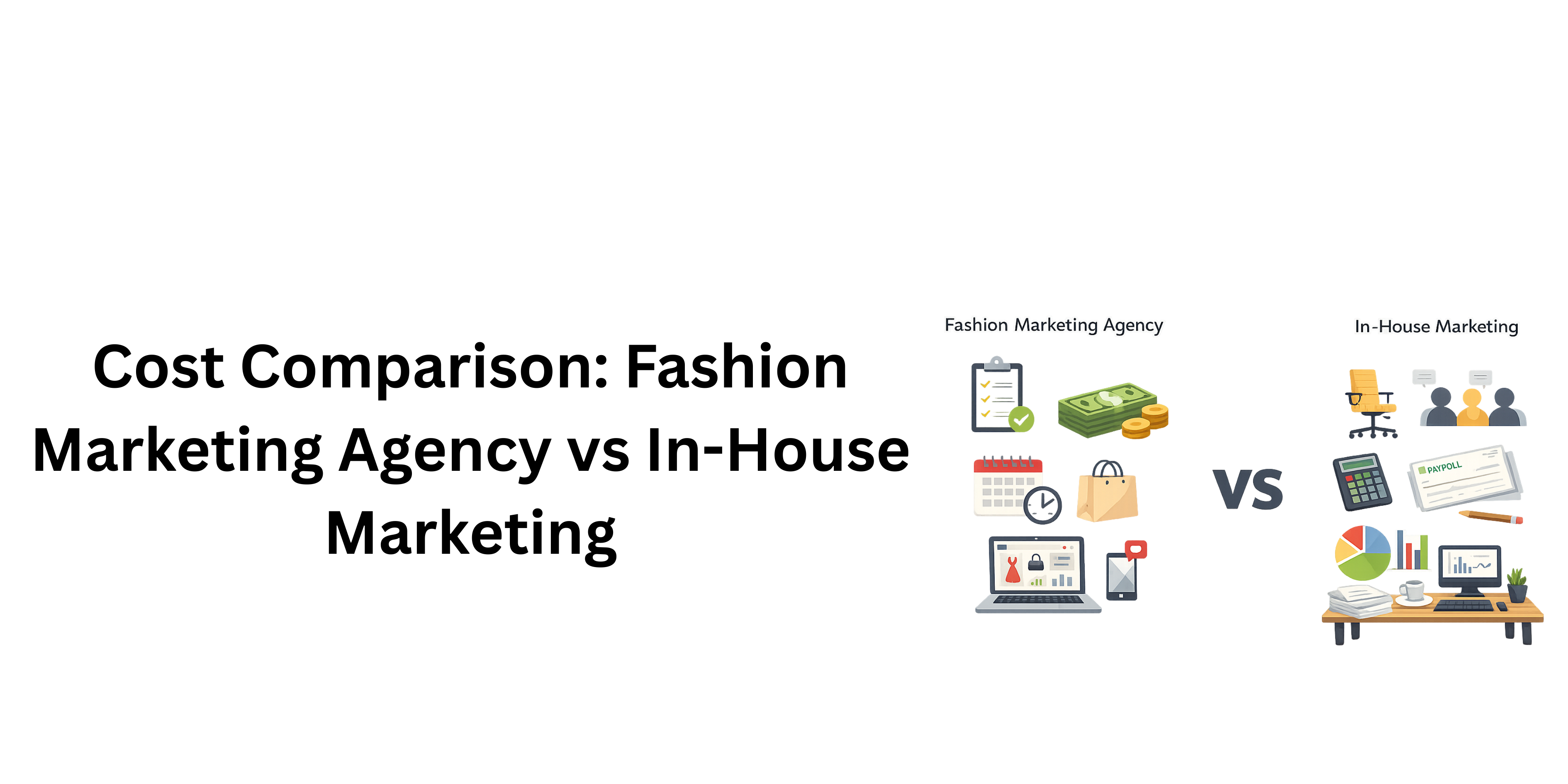
The fashion industry's marketing moves quickly. Consumer preferences change rapidly, trends change overnight, and businesses need to remain visible at all times. The question of whether to hire an agency or assemble your own team frequently arises, regardless of how big your fashion business is or how little it is. The debate between fashion marketing agency vs in house becomes crucial at this...
Across Kerala,...
Polyamide is a high performance polymer widely used across automotive, textiles, electrical and electronics, packaging, and industrial manufacturing industries due to its excellent mechanical strength, thermal stability, chemical resistance, and durability. Commonly referred to as nylon, polyamide materials are extensively utilized in engineering plastics, fibers, films, and industrial...