How to Set Up a Knurling Tool for Accurate Knurls
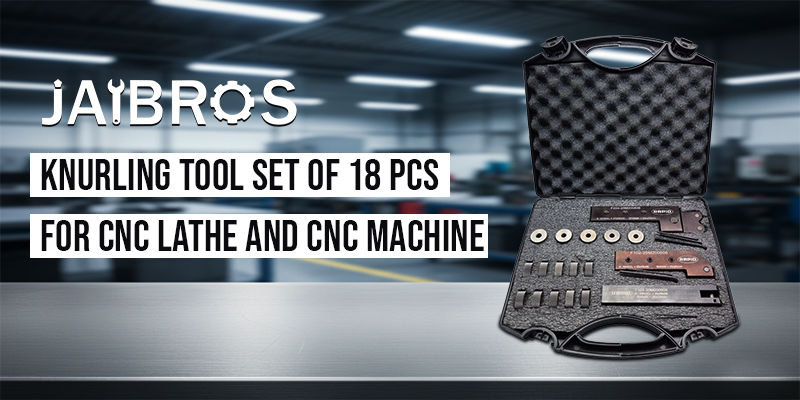
Learn practical tips for setting up knurling tools to achieve clean, accurate knurls. Covers alignment, pressure, CNC setup, and machining best practices.
Knurling Tool Setup Tips for Clean Knurls
Creating clean and accurate knurls is an important part of many machining operations, especially when components require improved grip or enhanced visual appeal. Although knurling looks straightforward, achieving consistent results depends heavily on proper setup. Even a high-quality knurling tool can produce poor results if alignment, pressure, or machine stability are not handled correctly.
This guide explains practical setup tips that help machinists achieve sharp, uniform knurls while reducing tool wear and surface defects. The focus is on real workshop practices suitable for both manual and CNC machining environments.
Understanding the Importance of Proper Setup
Knurling is a forming process, not a cutting one. The material is displaced rather than removed, which means the forces involved are higher than in many turning operations. Because of this, setup errors quickly show up as double tracking, torn surfaces, or uneven patterns.
A properly installed knurling tool distributes pressure evenly and maintains consistent contact with the workpiece. This ensures the knurl wheels form clean ridges without damaging the base material.
Choose the Right Knurl Pattern and Pitch
Before setup begins, selecting the correct knurl pattern is essential. Straight, diagonal, and diamond patterns are used for different functional and aesthetic needs. Diamond knurls are commonly used where grip is critical, while straight knurls are preferred for alignment or decorative purposes.
Pitch selection is equally important. The pitch must match the workpiece diameter so the knurl wheels track correctly around the circumference. Incorrect pitch selection often leads to overlapping or irregular patterns that cannot be corrected once formed.
Ensure Proper Tool Alignment
Alignment is one of the most critical setup steps. The knurling tool must be positioned exactly on the centerline of the workpiece. Even slight deviations can cause uneven pressure, resulting in distorted knurls.
Key alignment checks include:
-
Tool holder square to the workpiece
-
Knurl wheels parallel to the axis
-
Minimal tool overhang
Accurate alignment allows the knurling tool to engage the surface evenly and form consistent patterns from the first revolution.
Apply Correct Pressure from the Start
Unlike cutting tools, knurling tools require firm pressure at the beginning of the operation. Gradually increasing pressure can cause the knurl wheels to skate across the surface, leading to double tracking.
The correct approach is to apply sufficient pressure quickly so the knurls seat properly during the initial rotations. Once the pattern is established, consistent feed maintains uniform depth.
In CNC environments, this process is easier to control, especially when using a knurling tool for CNC turning, where feed and position are precisely programmed.
Control Speed and Feed Parameters
Spindle speed plays a major role in knurl quality. Lower speeds are generally recommended to prevent heat buildup and surface tearing. Excessive speed can also accelerate tool wear and reduce pattern clarity.
Feed rate should be steady and matched to the material type. Softer materials tolerate higher feed rates, while harder materials require slower, more controlled movement.
When working with a knurling tool for CNC, machinists benefit from repeatable parameters that ensure consistent results across multiple components.
Machine Rigidity and Workpiece Support
Knurling generates significant radial forces that can cause vibration if the machine or setup lacks rigidity. A rigid tool post, tight gibs, and a stable spindle are essential for clean knurl formation.
Workpiece support is equally important. Long or slender parts should be supported with a tailstock or steady rest to prevent deflection. A rigid setup allows the knurling tool to maintain even contact throughout the operation.
Use Quality Tooling and Holders
The build quality of the tool and holder directly affects performance. Hardened knurl wheels with precise profiles produce sharper and more consistent patterns. Poor-quality holders may flex under load, leading to uneven pressure distribution.
In production environments, a CNC knurling tool with robust construction minimizes vibration and improves repeatability. While knurling tool price is often considered, investing in reliable tooling typically reduces scrap and rework costs over time.
Monitor Tool Condition and Wear
Worn knurl wheels produce flattened or incomplete patterns. Regular inspection helps identify wear before it affects part quality. Embedded material should be cleaned from the wheel teeth to maintain sharp ridges.
Replacing worn components promptly ensures consistent results and extends the overall life of the tooling. Proper maintenance keeps the knurling tool performing at its best.
Common Setup Mistakes to Avoid
Many knurling issues can be traced back to avoidable setup errors, such as:
-
Incorrect center height
-
Insufficient initial pressure
-
Poor pitch selection
-
Excessive spindle speed
-
Inadequate workpiece support
Avoiding these mistakes saves time and ensures higher-quality knurls from the first attempt.
CNC vs Manual Knurling Setup Considerations
Manual lathes rely heavily on operator skill and feel, while CNC machines offer precise control and repeatability. CNC setups reduce variability, especially for high-volume production.
Using a knurling tool in CNC machining allows consistent depth, spacing, and surface finish across batches. However, correct initial setup remains essential even with automated control.
Why Clean Knurls Matter in Machining
Clean and accurate knurls are more than just cosmetic. They improve grip, enhance usability, and contribute to the professional appearance of a finished component. Poor knurling can lead to customer dissatisfaction, functional issues, and increased rejection rates.
Consistent setup practices ensure knurled surfaces meet both functional and visual standards, especially in industrial and precision manufacturing.
Conclusion
Achieving clean, accurate knurls starts with proper setup. From alignment and pressure control to machine rigidity and tooling quality, every step plays a role in the final result. Understanding these factors helps machinists avoid common defects and produce consistent, professional-grade knurled surfaces.
Whether working on a manual lathe or in a CNC production environment, attention to setup details ensures reliable performance and long-term efficiency. A well-prepared knurling tool not only improves surface quality but also enhances productivity and reduces costly rework, making it a critical element in successful machining operations.
FAQs
1. Why is center alignment important in knurling?
Correct center alignment ensures even pressure and prevents distorted or uneven knurl patterns.
2. Can knurling be done at high spindle speeds?
Lower speeds are preferred, as high speeds can cause tearing, heat buildup, and poor pattern definition.
3. What causes double tracking in knurling?
Double tracking usually results from incorrect pitch selection or insufficient initial pressure.
4. Is CNC knurling better than manual knurling?
CNC knurling offers better consistency and repeatability, especially for high-volume production.
5. How often should knurl wheels be replaced?
Knurl wheels should be replaced when wear affects pattern sharpness or consistency.
الأقسام
إقرأ المزيد
Executive Summary Tank Level Monitoring System Market: Share, Size & Strategic Insights CAGR Value The global tank level monitoring system market size was valued at USD 987.20 million in 2024 and is projected to reach USD 1633.81 million by 2032, with a CAGR of 6.50% during the forecast period of 2025 to 2032. The comprehensive Tank Level Monitoring System Market report is an...

The online cricket entertainment corporation in India is developing very speedy, and plenty of clients are looking for depended on structures in which they're able to experience live cricket motion, easy account get right of entry to, and a easy cellular experience. Among the popular names, Cricbet99 has turn out to be a considerably searched platform for cricket fanatics who want a easy and...

Polaris Market Research has published a brand-new report titled Bimodal HDPE Market Size, Share, Trend, & Industry Analysis Report: By Processing Method (Extrusion, Blow Molding, Injection Molding, and Compression Molding), By Application, By Region – Market Forecast, 2025–2034 that includes extensive information and analysis of the industry dynamics. The opportunities...

Decorators and manufacturers are increasingly looking for ways to combine aesthetics with sustainability and efficiency. Using Hot Stamping Foil in frame production is one such technique that brings benefits on multiple fronts. At Jinhua Yuhao Decoration Materials Co., Ltd., we believe that decorative foil doesn’t have to come at the cost of environmental responsibility or production...

Professional Notarization Starts with the Right Stamp For every commissioned notary public in Iowa, having a compliant and dependable stamp is not optional it is essential. At Acorn Sales, we proudly provide high-quality notary supplies designed to meet official state requirements while delivering long-term reliability. Serving notaries across Iowa and throughout the United States, Acorn Sales...