


CNC Tool Maintenance Tips to Boost Performance & Durability
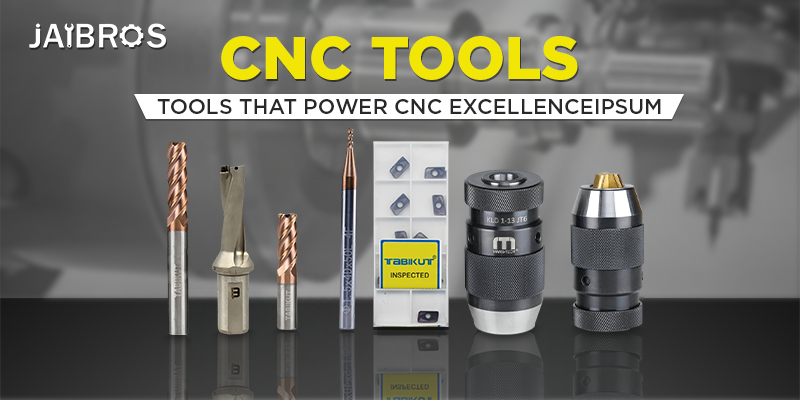
Learn essential CNC tool maintenance tips to improve durability, reduce downtime, and enhance performance in CNC milling and machine tools.
Proven CNC Tool Care Strategies for Maximum Durability
In modern manufacturing, machine accuracy and productivity depend heavily on proper maintenance practices. Whether you are operating a small workshop or a large industrial facility, taking care of your equipment ensures long-term efficiency and reduced downtime. A well-maintained CNC tool not only improves machining quality but also helps manufacturers control operating costs and extend machine life. With CNC machine price rising steadily, maintenance has become more important than ever.
Why CNC Tool Maintenance Is Critical in Manufacturing
Maintenance is often overlooked until performance issues arise. However, preventive care plays a key role in maintaining dimensional accuracy, surface finish, and operational safety. Every tool experiences wear due to high-speed cutting, heat generation, and material friction. If this wear is ignored, it can lead to tool failure, machine damage, and increased production costs.
Regular maintenance helps reduce unexpected breakdowns and improves overall machining reliability. It also ensures better return on investment, especially when factoring in the high CNC machine price associated with advanced systems.
Understanding Wear Patterns in CNC Machine Tools
Different cutting applications result in different wear patterns. Understanding these patterns allows operators to take timely action before serious damage occurs. In CNC milling, for example, edge chipping and thermal cracks are common issues caused by excessive speed or improper cooling.
Wear typically develops gradually, which means operators who inspect tools regularly can detect problems early. A properly maintained CNC delivers consistent cutting performance and minimizes scrap rates across production batches.
Daily Inspection and Cleaning Practices
Daily inspection is one of the simplest yet most effective maintenance practices. Chips, coolant residue, and dust can accumulate quickly and affect cutting accuracy.
Operators should visually inspect cutting edges before each shift. Removing built-up material prevents imbalance and overheating during operation. Cleaning also allows early detection of cracks or deformation, helping extend the usable life of CNC machine tools.
Proper Lubrication and Coolant Management
Lubrication plays a vital role in reducing friction and heat during machining. Inadequate lubrication increases tool wear and can damage both the tool and spindle.
Coolant quality should also be monitored closely. Dirty or improperly mixed coolant reduces heat dissipation and can cause corrosion. A well-lubricated CNC tool maintains stable cutting conditions, improves surface finish, and supports longer machining cycles without interruption.
Correct Tool Storage and Handling
Improper storage is a hidden cause of premature damage. Tools stored in humid or unorganized environments are prone to corrosion and edge damage.
Cutting tools should always be stored in designated holders or protective cases. Handling should be done carefully to avoid accidental drops or collisions. Organized storage ensures that CNC tools remain in optimal condition and are ready for use without unnecessary adjustments.
Tool Calibration and Alignment Checks
Calibration ensures that tools perform exactly as programmed. Misalignment can lead to uneven cutting forces, vibration, and poor dimensional accuracy.
Periodic alignment checks help maintain consistent results, especially in high-precision CNC milling operations. A properly calibrated CNC tool reduces machine stress and supports smooth operation even during complex machining tasks.
Monitoring Cutting Parameters
Cutting speed, feed rate, and depth of cut directly influence tool life. Excessive parameters increase heat and accelerate wear, while conservative settings may reduce productivity.
Monitoring these parameters and adjusting them based on material type and tool condition ensures optimal performance. With rising CNC machine price, manufacturers must focus on using tools efficiently rather than replacing them prematurely.
Scheduled Preventive Maintenance Programs
Relying solely on reactive maintenance can be costly. Preventive maintenance programs help manufacturers plan inspections, replacements, and servicing in advance.
Tracking tool usage hours and wear trends allows operators to replace tools at the right time. This approach ensures uninterrupted production and keeps CNC machine tools running at peak efficiency.
Training Operators for Better Tool Care
Even the most advanced machines depend on skilled operators. Proper training helps operators recognize early warning signs such as unusual noise, vibration, or surface defects.
When operators understand how their actions affect tool performance, they handle equipment more responsibly. A well-trained team can significantly extend the lifespan of every tool used on the shop floor.
Conclusion: Long-Term Value Through Smart Maintenance
Effective maintenance is not an expense but an investment in productivity, quality, and safety. A well-maintained CNC tool delivers reliable performance, reduces downtime, and supports consistent output across manufacturing cycles. By following proper cleaning, lubrication, storage, and monitoring practices, manufacturers can protect their investment despite increasing CNC machine price pressures.
For businesses seeking high-quality cutting solutions and expert guidance, Jaibros stands out as a trusted name in the industry. With a strong focus on precision, durability, and customer support, Jaibros provides reliable CNC tools designed to meet modern manufacturing demands while supporting long-term operational efficiency.
FAQs
1. How often should CNC tools be maintained?
CNC tools should be inspected daily for wear and cleaned after every machining cycle. Preventive maintenance schedules are usually planned weekly or monthly depending on workload and material type.
2. What are the common signs that a CNC tool needs maintenance?
Common signs include poor surface finish, increased vibration, unusual noise, excessive heat, and dimensional inaccuracies during machining operations.
3. How does proper maintenance improve CNC tool life?
Proper cleaning, lubrication, and parameter control reduce friction and heat, which slows down wear and prevents premature tool failure.
4. Can improper coolant usage damage CNC tools?
Yes, incorrect coolant concentration or contaminated coolant can cause corrosion, overheating, and faster tool wear, especially in CNC milling operations.
5. Does regular CNC tool maintenance reduce production costs?
Regular maintenance minimizes tool breakage, reduces machine downtime, lowers scrap rates, and helps manufacturers manage rising CNC machine price concerns.
الأقسام
إقرأ المزيد
"Latest Insights on Executive Summary AI in Fashion Market Share and Size The global AI in fashion market size was valued at USD 1.17 billion in 2025 and is expected to reach USD 16.16 billion by 2033, at a CAGR of 38.85% during the forecast period. The market insights gained through this keyword market research analysis report facilitate a more defined...

Widgets serve as essential components for unlocking and enhancing hero-specific equipment within Kingshot. These exclusive gear pieces are limited to mythic heroes, including items like Jabel’s Greaves of Faith, and become obtainable once the town center reaches level 15. By utilizing widgets, players can elevate hero gear through ten upgrade tiers, significantly increasing their hero's...
What Is Metal Injection Molding? Metal injection molding (MIM) is an advanced manufacturing process that combines the versatility of plastic injection molding with the strength and integrity of metal materials. This innovative technology has revolutionized the way complex metal parts are produced, offering a cost-effective alternative to traditional machining and casting methods. The metal...
" According to the latest report published by Data Bridge Market Research, the Plant-Based Butter Market The global plant-based butter market size was valued at USD 1.67 billion in 2025 and is expected to reach USD 2.53 billion by 2033, at a CAGR of 5.3% during the forecast period. Plant-Based Butter Market report offers a thorough overview of product specification,...

A Commodity Brush is often the simplest tool that makes the biggest difference in routine maintenance, and a Commodity Brush can help users handle dust, residue, and light buildup with far less effort than improvised cleaning methods. In homes, workshops, and shared spaces, a dependable brush supports cleaner surfaces, better organization, and a smoother daily routine. When a task needs...
