Tooth Cleaning in Mumbai | Remove Tooth Decay & Prevent Dental Pain
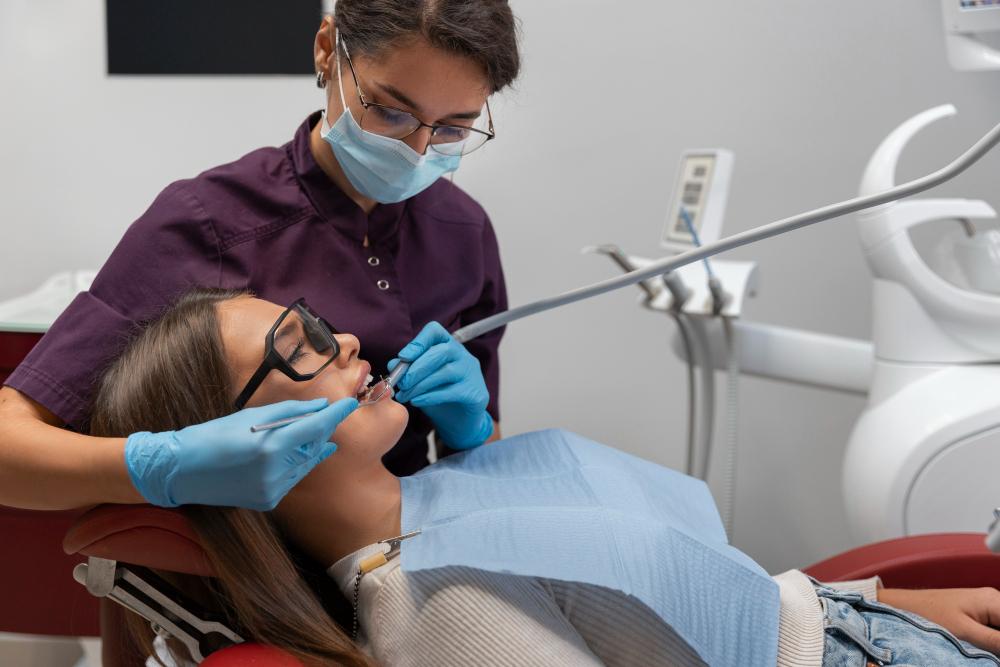
Tooth Cleaning: How to Clean Tooth Decay, Use Tooth Cleaning Powder, and Manage Tooth Pain After Cleaning
Good oral health starts with proper tooth cleaning. It is one of the most important dental habits for preventing cavities, gum disease, and long-term tooth damage. Many people delay professional cleaning due to fear or lack of awareness. However, regular tooth cleaning not only improves appearance but also protects overall health.
This guide explains tooth cleaning in detail. It covers how tooth decay is cleaned, whether tooth cleaning powder is safe, and why tooth pain may occur after cleaning.
What Is Professional Tooth Cleaning?
Professional tooth cleaning is a dental procedure performed to remove plaque, tartar, and stains from the teeth. Even with daily brushing and flossing, some deposits remain. These deposits harden into tartar and cannot be removed at home.
Dentists use special tools to clean these areas safely. The process helps prevent tooth decay, gum disease, and bad breath.
Regular tooth cleaning is recommended every six months. Some patients may need it more often.
Why Tooth Cleaning Is Important
Tooth cleaning plays a major role in maintaining oral health.
Plaque contains harmful bacteria. These bacteria produce acids that damage enamel. Over time, this leads to cavities and decay. Tartar buildup also irritates gums and causes inflammation.
Professional cleaning helps to:
- Reduce the risk of tooth decay
- Prevent gum disease
- Remove stains from tea, coffee, and tobacco
- Improve breath freshness
- Detect dental problems early
Healthy teeth also support better digestion and overall well-being.
How to Clean Tooth Decay Safely
Tooth decay cannot be cleaned using home remedies alone. Once decay starts, professional treatment is required.
During a dental visit, the dentist first examines the affected tooth. If decay is in the early stage, deep cleaning may help remove bacteria around the area. Fluoride treatment may be applied to strengthen enamel.
If decay has progressed, the dentist removes the decayed portion using precise instruments. The tooth is then restored with a filling to prevent further damage.
Delaying treatment allows decay to spread. This can result in pain, infection, or tooth loss. Regular cleaning helps detect decay early, making treatment simpler and less painful.
Tooth Cleaning Powder: Is It Safe?
Tooth cleaning powder has been used for generations. Some people still prefer it over toothpaste. However, its safety depends on the ingredients and usage method.
Certain tooth powders are too abrasive. Regular use can wear down enamel and cause sensitivity. This may increase the risk of cavities rather than prevent them.
Dentists usually recommend fluoridated toothpaste instead. Fluoride helps protect teeth and repair early enamel damage.
If you choose to use tooth cleaning powder, it should be mild and dentist-approved. Avoid daily use unless advised by a dental professional. Never use homemade powders containing harsh substances.
Tooth Pain After Cleaning: Causes and Solutions
Some patients experience tooth pain or sensitivity after professional cleaning. This is usually temporary and manageable.
Common causes include:
- Removal of tartar near the gum line
- Exposed tooth roots due to gum recession
- Pre-existing tooth sensitivity
- Early cavities discovered during cleaning
The discomfort usually lasts one to three days. Using a sensitivity toothpaste can help reduce pain. Avoid very hot or cold foods during this period.
If pain continues for more than a few days, it is important to consult the dentist. Persistent pain may indicate an underlying issue that requires treatment.
What to Expect During a Tooth Cleaning Appointment
A typical tooth cleaning session is simple and comfortable.
The dentist or hygienist begins by examining the mouth. Plaque and tartar are then removed using manual or ultrasonic tools. The teeth are polished to remove surface stains. Flossing is done to clean between teeth.
In some cases, fluoride treatment is applied for added protection.
The procedure is safe and usually painless. Patients with sensitive teeth may feel mild discomfort, but it is short-lived.
How Often Should You Get Tooth Cleaning?
Most people should schedule tooth cleaning every six months. Patients with gum disease, heavy plaque buildup, or braces may need more frequent visits.
Regular cleaning reduces the need for complex dental treatments later. It also lowers overall dental costs over time.
Tips to Maintain Clean Teeth After Dental Cleaning
Maintaining results after professional cleaning is essential.
Brush twice daily using a soft-bristled toothbrush. Floss once a day to remove food particles between teeth. Limit sugary foods and acidic drinks.
Drink plenty of water. Avoid tobacco products. Visit your dentist regularly for check-ups.
Good daily habits support long-term oral health.
Conclusion
Tooth cleaning is not just about a bright smile. It is a vital step in preventing tooth decay, gum disease, and dental pain. Understanding how tooth decay is cleaned, the correct use of tooth cleaning powder, and the reasons for tooth pain after cleaning helps patients make informed decisions. Dental Clinic In Mumbai
Categorías
Read More
Motown Classics Inspire New Animated Children's Series on Netflix Netflix is set to bring the iconic sounds of Motown to a new generation through an innovative animated series for children. The yet-unnamed project will transport viewers to a vibrant world where music and imagination collide. The series centers on eight-year-old Ben, a shy but artistically gifted child with the extraordinary...

Maintaining a reliable plumbing system is essential for every home. For residents seeking quality services, plumbing in Holly Springs has never been easier than with Bizzy Bee Plumbing Services. Known for professionalism, plumbing holly springs, and a customer-first approach, they provide a wide range of residential plumbing solutions that keep your home running smoothly. Comprehensive...

In the scenic foothills of Uttarakhand, where nature meets modern desires, Sweet Fun Girl stands as a trusted name for sophisticated companionship. Whether you are looking for an Escorts Service in Ramnagar or seeking a reliable Independent Escort Service in Ramnagar, our agency delivers exceptional experiences tailored to your preferences. We also extend our premium services to nearby areas...

Lottery games have been a part of human culture for centuries, offering people a chance to test their luck and win exciting rewards. In Indonesia and across Asia, the lottery game known as togel has become especially popular. With the rise of digital technology, togel has moved online, giving birth to the concept of situs togel. These are online platforms where players can place their lottery...

The Generative AI Cybersecurity Market Trend is witnessing exponential growth as organizations adopt advanced AI-driven solutions to combat increasingly sophisticated cyber threats. The market was valued at USD 7.73 billion in 2025E and is projected to reach USD 79.71 billion by 2033, growing at a remarkable CAGR of 33.97% during the forecast period 2026–2033. Generative AI in...