How to Choose the Dog Kennel That Fits Your Dog’s Daily Routine
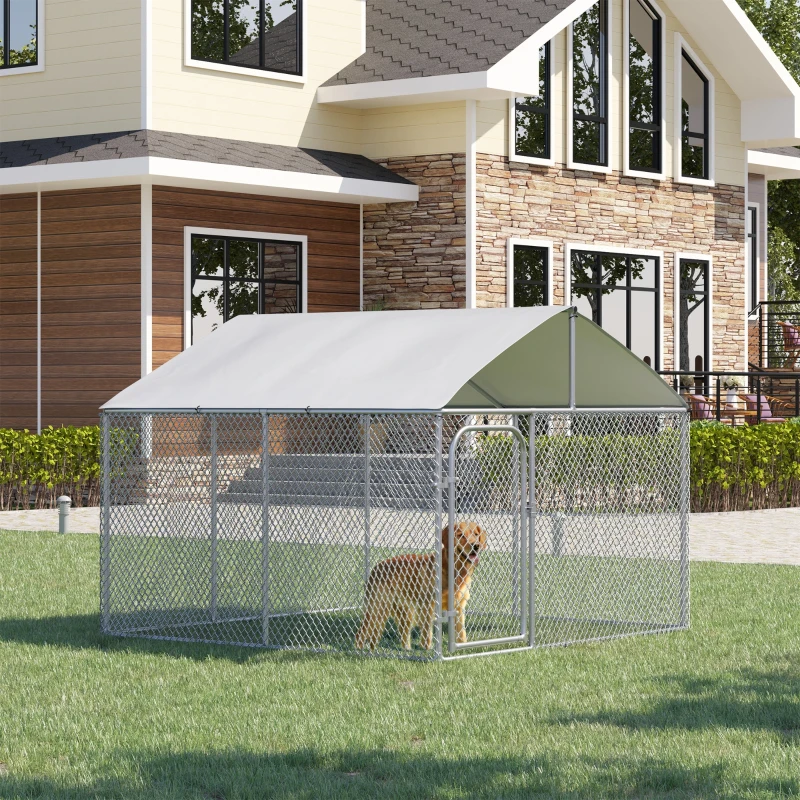
Choosing a dog kennel should be a practical decision based on how your dog spends an average day. The right kennel aligns with resting habits, activity levels, and comfort needs, allowing your dog to settle naturally without stress or resistance. Every choice from size to structure, should support daily use rather than occasional convenience.
Choose the Right Size Based on Daily Movement
Kennel size should reflect how your dog rests and moves throughout the day.
A suitable kennel allows your dog to:
-
Stand upright without lowering the head
-
Turn around smoothly
-
Lie down fully in their preferred sleeping position
Dogs that curl up to rest often feel more secure in moderately sized kennels, while dogs that stretch out or shift positions frequently need additional floor space. When selecting a dog kennel, the goal is comfort that feels natural rather than restrictive or excessive.
Select a Kennel Style That Matches Usage Time
The amount of time your dog spends in the kennel directly affects which design works best.
-
For brief daily use, open and accessible designs are sufficient.
-
For longer rest periods, more enclosed kennels help reduce distractions and support calm behaviour.
-
For dogs that enter and exit frequently, wide door openings and stable frames prevent hesitation and discomfort.
A kennel should support your dog’s routine without interrupting it.
Consider Ventilation as a Daily Comfort Factor
Proper airflow is essential for kennels used regularly.
Look for:
-
Consistent ventilation on multiple sides
-
Designs that prevent heat buildup during rest
-
Openings that allow fresh air without creating drafts
Good ventilation keeps the kennel comfortable throughout different parts of the day and encourages longer, more relaxed use.
Choose Materials Based on Everyday Behaviour
Material choice should be guided by how your dog behaves daily.
-
Dogs that prefer awareness of their surroundings respond well to open-frame kennels
-
Dogs that relax better in quiet, enclosed spaces benefit from solid-wall designs
-
Dogs that scratch, chew, or push against surfaces require stronger, more durable materials
The material should handle routine wear without compromising safety or comfort.
Match the Kennel to Its Intended Location
Where the kennel will be placed plays a key role in selection.
-
Indoor placement favours smooth finishes, stable bases, and compact footprints.
-
Outdoor or semi-covered areas require raised floors, moisture resistance, and sturdy construction.
-
If the kennel needs to move between areas, lightweight designs improve flexibility without disrupting routine.
A kennel that fits its environment is more likely to be used consistently.
Prioritise Easy Maintenance for Daily Use
Daily routines include shedding, dirt, and occasional spills.
Choose kennels with:
-
Easy-to-clean surfaces
-
Removable or washable base panels
-
Simple interiors without hard-to-reach corners
When maintenance is simple, the kennel remains fresh and inviting, reinforcing positive daily use.
Evaluate Entry Design for Comfort and Confidence
Entry height and door style affect how willingly a dog uses the kennel.
-
Low thresholds support easy entry for frequent use
-
Wide openings reduce hesitation
-
Secure doors prevent movement while resting
A comfortable entry encourages independent use without prompting.
A dog kennel should support your dog’s daily routine quietly and consistently. When size, ventilation, material, placement, and design are chosen with real daily habits in mind, the kennel becomes a reliable resting space rather than a forced enclosure. The best choice is one that fits seamlessly into how your dog already lives each day.
FAQs
1. How do I choose a kennel if my dog becomes restless or paces inside it?
Restlessness often indicates a mismatch between kennel layout and daily energy patterns. Choose a kennel with slightly more length than minimum requirements and better side ventilation so your dog doesn’t feel boxed in. For dogs that shift positions often, elongated floor space matters more than height.
2. What should I look for if my dog avoids the kennel during daytime but uses it at night?
This usually points to lighting, noise exposure, or visual stimulation rather than size. Select a kennel with partial side coverage or a more sheltered orientation to reduce daytime distractions. A kennel that limits visual traffic helps dogs settle during daylight rest periods.
3. How do I choose a kennel for a dog that shares living space with other pets?
In multi-pet households, choose a kennel with clear boundary definition and secure entry placement. Designs with side panels or recessed doorways help reduce interruptions from other animals and allow your dog to rest without feeling exposed or defensive during shared daily routines.
Categories
Read More
Balanced-armature Magnetic Speakers Market was valued at USD 50.1 million in 2024. The market is projected to grow from USD 50.9 million in 2025 to USD 55.5 million by 2032, exhibiting a CAGR of 1.5% during the forecast period. This growth trajectory is detailed in a comprehensive new report published by Semiconductor Insight. The analysis underscores the indispensable role of...

A new growth forecast report titled Yacht Market Share, Size, Trends, Industry Analysis Report By Type (Super, Flybridge, Sport, Long Range, Others); By Length; By Propulsion (Motor, Sailing), By Region; Segment Forecast, 2025 - 2034 introduced by Polaris Market Research represents conclusive data on the overall market. It majorly targets to provide a detailed analysis of growth...
Executive Summary Company Secretarial Software Market Trends: Share, Size, and Future Forecast Data Bridge Market Research analyses that the company secretarial software market is expected to reach USD 8.54 billion by 2030, which is USD 5.48 billion in 2022, at a CAGR of 5.70% during the forecast period. By working with a number of steps of collecting and analysing market...
"According to the latest report published by Data Bridge Market Research, the Blood Meal Market The global Blood Meal Market size was valued at USD 1.89 billion in 2024 and is expected to reach USD 2.49 billion by 2032, at a CAGR of 3.50% during the forecast period. For generating the Blood Meal Market document; various steps for gathering, analysing and...
Choosing the right preschool is one of the most important decisions parents make for their children. Early childhood lays the foundation for lifelong learning, social development, and emotional well-being. In a city like Dubai, where families prioritize quality education and safe environments, finding the best preschool in Dubai is a top concern. Little Minds Nursery, a...