How Is Vinyl Woven Mesh Fabric Used in Modern Applications?
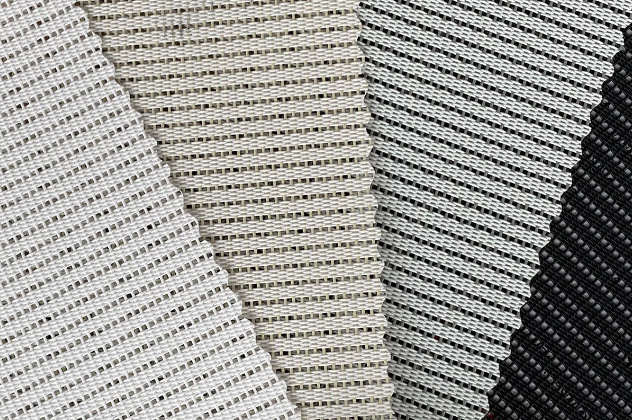
Vinyl Woven Mesh Fabric is a versatile material widely used across industrial, commercial, and residential applications. Its combination of durability, flexibility, and resistance to environmental factors makes it suitable for purposes ranging from protective coverings and outdoor furniture to industrial filtration and partitioning. Understanding how vinyl woven mesh fabric is manufactured and applied helps users select the right material for their specific needs.
The production of vinyl woven mesh fabric begins with high-quality vinyl coatings applied to polyester or other synthetic yarns. The yarns are woven into a mesh structure, creating a material that balances strength and permeability. A carefully controlled weaving process ensures consistent spacing and alignment of fibers, which affects both the strength and appearance of the fabric. The vinyl coating enhances resistance to water, UV radiation, and abrasion, extending the lifespan of the mesh in demanding conditions.
Material characteristics are an important consideration when choosing vinyl woven mesh fabric. The thickness of the yarn, size of the openings, and strength of the vinyl coating determine the fabric's load-bearing capacity, airflow, and resistance to tearing. Factories producing vinyl woven mesh fabric often test these properties to ensure the material can withstand specific environmental and mechanical stresses. Such testing ensures reliability for both indoor and outdoor applications.
Versatility is a key feature of vinyl woven mesh fabric. It can be used in outdoor furniture, sunshades, screens, fences, and banners. Its open weave allows airflow while maintaining durability, making it ideal for areas exposed to sunlight or moisture. The flexibility of the material also allows it to be cut, sewn, or heat-welded into custom shapes, giving designers and manufacturers freedom in product development.
Quality control is critical in the production of vinyl woven mesh fabric. Factories typically inspect yarn tension, coating uniformity, and overall fabric strength. They may also perform tests for UV resistance, colorfastness, and abrasion resistance. By applying quality checks at multiple stages, a vinyl woven mesh fabric manufacturer ensures that the material meets both performance and aesthetic expectations, reducing the risk of defects in end-use applications.
Sustainability is becoming increasingly important in the vinyl woven mesh fabric industry. Some manufacturers now focus on recyclable vinyl coatings or methods that reduce waste during production. Environmentally responsible practices in manufacturing help meet consumer demand for sustainable products while maintaining the durability and performance of the mesh.
Applications of vinyl woven mesh fabric extend across multiple sectors. In the commercial sector, it is used for outdoor seating, partitions, and protective coverings. Industrial applications include filtration, conveyor belts, and safety barriers. In residential settings, the fabric serves as shade cloth, garden fencing, or decorative panels. Its combination of strength, flexibility, and weather resistance allows it to adapt to various functional requirements.
In conclusion, vinyl woven mesh fabric provides a practical and adaptable solution for a wide range of uses. Through careful material selection, precise weaving, and quality control, manufacturers deliver a durable and flexible product suitable for both indoor and outdoor environments. Choosing a reliable factory that maintains consistent standards ensures that vinyl woven mesh fabric meets performance requirements and offers long-term usability across diverse applications.
Κατηγορίες
Διαβάζω περισσότερα
BGD33: A Complete Guide to Understanding the Term Introduction BGD33 is a term that may appear in online searches, digital platforms, product references, technical discussions, or other specialized contexts. Because short alphanumeric terms can have different meanings depending on where they are used, it is important to understand the context before drawing conclusions about what BGD33...

" According to the latest report published by Data Bridge Market Research, the Security Solutions Market Global security solutions market size was valued at USD 404.14 billion in 2024 and is projected to reach USD 829.22 billion by 2032, with a CAGR of 9.40% during the forecast period of 2025 to 2032.This Security Solutions Market research report is a resource, which offers...

The advancement of high-power electronics depends heavily on innovative semiconductor materials that can deliver improved efficiency, enhanced reliability, and superior performance. Gallium Oxide (Ga₂O₃) Single Crystal technology has emerged as a promising solution for meeting these requirements. As industries increasingly seek electronic systems capable of handling higher voltages and...

The 5G Infrastructure Market analysis highlights the rapid transformation of global telecommunications as countries accelerate investments in next-generation wireless infrastructure. 5G Infrastructure Market Size was estimated at 59.51 USD Billion in 2024. The 5G Infrastructure industry is projected to grow from 71.93 USD Billion in 2025 to 478.82 USD Billion by 2035, exhibiting a compound...
Benefits of Using Certification Exam Preparation Material Certification exams help people grow in their careers. They help you get better jobs. They also help you earn more money. Many students want to pass the Maryland-Real-Estate-Salesperson exam on the first attempt. This exam is offered by Real Estate Licensing. However, exam preparation can feel difficult. There are many books to read and...