Understanding Cosmetic Products Registration and Market Approval

The global beauty and personal care industry operates under increasingly strict regulatory oversight to ensure consumer safety and product quality. Before any cosmetic product reaches retail shelves or digital marketplaces, it must pass through a formal approval system designed to verify its safety, composition, and compliance with local laws. Cosmetic products registration is the foundation of this system, acting as a regulatory gateway that connects innovation with legal market access.
Understanding how registration and market approval work is essential for manufacturers, importers, and distributors alike. The process not only safeguards public health but also protects brands from regulatory risks, penalties, and reputational damage. This article explains the principles, stages, and compliance expectations involved in cosmetic product registration and approval, with a particular focus on regulatory readiness and long-term market sustainability.
What Is Cosmetic Products Registration?
Cosmetic products registration is a formal regulatory procedure through which a cosmetic item is reviewed and approved by the relevant authority before being placed on the market. This process ensures that products meet safety standards, ingredient restrictions, labeling rules, and quality benchmarks established by law.
Registration applies to a wide range of products, including skincare, haircare, makeup, fragrances, and personal hygiene items. Even products marketed as natural, herbal, or organic are subject to registration requirements. The core purpose is to confirm that cosmetic products are safe for normal or reasonably foreseeable use.
Unlike pharmaceuticals, cosmetics do not require clinical trials for efficacy. However, they must demonstrate safety through documentation, testing data, and transparent disclosure of ingredients.
Why Market Approval Matters in the Cosmetics Industry
Market approval is more than a regulatory formality. It is a legal authorization that allows a cosmetic product to be sold, distributed, or advertised within a specific jurisdiction. Without approval, products may face rejection at ports, removal from shelves, or enforcement actions from regulatory authorities.
Market approval serves several critical functions:
-
It protects consumers from harmful or misleading products
-
It creates a level playing field by enforcing uniform standards
-
It strengthens trust in the cosmetic marketplace
-
It reduces the risk of post-market recalls and legal disputes
By ensuring compliance before launch, businesses can avoid costly disruptions and build credibility in competitive markets.
Regulatory Framework Governing Cosmetic Products
Cosmetic regulations vary across regions, but most frameworks share common principles. Regulatory authorities typically define what qualifies as a cosmetic, outline prohibited or restricted ingredients, and establish responsibilities for product owners or responsible entities.
Key regulatory objectives include:
-
Ensuring product safety through ingredient control
-
Preventing false or misleading claims
-
Enforcing proper labeling and consumer information
-
Monitoring products after they enter the market
While regulatory structures differ, the expectation of transparency, safety, and accountability remains universal.
Key Stages in Cosmetic Product Registration
Product Classification and Scope Determination
The first step in registration is confirming whether a product falls under the cosmetic category. This involves evaluating its intended use, claims, method of application, and formulation. Products that blur the line between cosmetics and therapeutic goods may require additional regulatory scrutiny.
Correct classification is crucial, as misclassification can lead to rejection or enforcement issues later in the process.
Ingredient Assessment and Compliance
Every ingredient in a cosmetic formulation must comply with regulatory standards. Authorities typically maintain lists of prohibited substances, restricted ingredients, and approved colorants or preservatives.
Manufacturers must ensure that ingredient concentrations fall within permissible limits and that no banned substances are present. Special attention is given to allergens, preservatives, and substances with known toxicological risks.
Safety Evaluation and Risk Assessment
A safety assessment evaluates whether the cosmetic product is safe for human use under normal conditions. This assessment considers ingredient interactions, exposure levels, and potential risks to different user groups.
Safety evaluations are a cornerstone of registration, as they demonstrate due diligence and regulatory responsibility.
Documentation Requirements for Registration
Accurate and complete documentation is essential for successful registration. Regulatory authorities rely on submitted documents to assess product safety and compliance.
Common documentation requirements include:
-
Full product formulation details
-
Ingredient specifications and sources
-
Safety and stability data
-
Manufacturing process overview
-
Label artwork and packaging information
Incomplete or inconsistent documentation is one of the most common reasons for registration delays or rejections.
Labeling and Packaging Compliance
Cosmetic labels play a critical role in consumer safety and regulatory transparency. Labels must clearly and accurately communicate product information without exaggeration or misleading claims.
Typical labeling requirements include:
-
Product name and function
-
Ingredient list using standardized nomenclature
-
Usage instructions and warnings
-
Country of origin and batch identification
Packaging must also protect product integrity and prevent contamination during storage and use.
The Role of Quality and Manufacturing Standards
Registration is closely linked to manufacturing quality. Regulatory authorities expect cosmetic products to be produced under controlled conditions that minimize contamination, variability, and defects.
Quality systems support:
-
Consistency across production batches
-
Traceability of raw materials
-
Effective handling of complaints or recalls
-
Ongoing compliance with safety standards
Strong manufacturing practices not only support registration but also reduce long-term operational risks.
Post-Market Obligations and Regulatory Monitoring
Registration does not end once a product enters the market. Authorities continue to monitor cosmetic products through post-market surveillance mechanisms.
Post-market responsibilities include:
-
Reporting adverse reactions or safety concerns
-
Managing product complaints
-
Updating registration records for formulation or label changes
-
Cooperating with inspections or audits
Failure to meet post-market obligations can result in penalties, suspension, or product withdrawal.
Common Challenges in Cosmetic Registration
Despite clear regulatory frameworks, businesses often face challenges during registration. These may include evolving regulations, ingredient restrictions, or interpretation differences across jurisdictions.
Other common obstacles include:
-
Delays due to incomplete submissions
-
Reformulation needs triggered by ingredient bans
-
Claim rejections based on insufficient evidence
-
Compliance gaps between marketing and regulatory teams
Proactive planning and regulatory awareness can significantly reduce these challenges.
Strategic Importance of Regulatory Planning
Successful cosmetic registration is rarely achieved through last-minute compliance efforts. Regulatory planning should be integrated into product development from the earliest stages.
Early planning allows businesses to:
-
Select compliant ingredients from the start
-
Design labels aligned with regulatory expectations
-
Avoid costly reformulations or rebranding
-
Accelerate time-to-market
A compliance-first approach transforms regulation from a barrier into a competitive advantage.
Final Thought: Navigating Cosmetic Approval with Confidence
The registration and market approval process for cosmetic products is a structured yet dynamic system designed to protect consumers and ensure fair market practices. Understanding regulatory expectations, documentation standards, and post-market responsibilities enables businesses to enter and remain in the market with confidence.
By aligning product development with regulatory requirements, brands can minimize delays, reduce compliance risks, and strengthen consumer trust. For businesses targeting regulated markets, securing approvals such as MOCCAE permit clearance Dubai represents not just a legal requirement, but a strategic milestone that validates product safety, quality, and market readiness.
Κατηγορίες
Διαβάζω περισσότερα
In a significant development for fans of the gritty superhero series, Netflix has confirmed that Marvel's Jessica Jones will continue with a third season. This renewal comes after the sophomore season made its worldwide debut on March 8, 2018, coinciding with International Women's Day. The critically acclaimed show continues to feature Krysten Ritter in the titular role of the hard-drinking...

The current medical field depends on proper blood testing which must be completed at the right time to establish correct medical diagnosis and treatment procedures. Automatic hematology analyzers have become a cornerstone of modern laboratories because they deliver accurate assessment of numerous blood measurement points which include red blood cell count white blood cell count hemoglobin level...
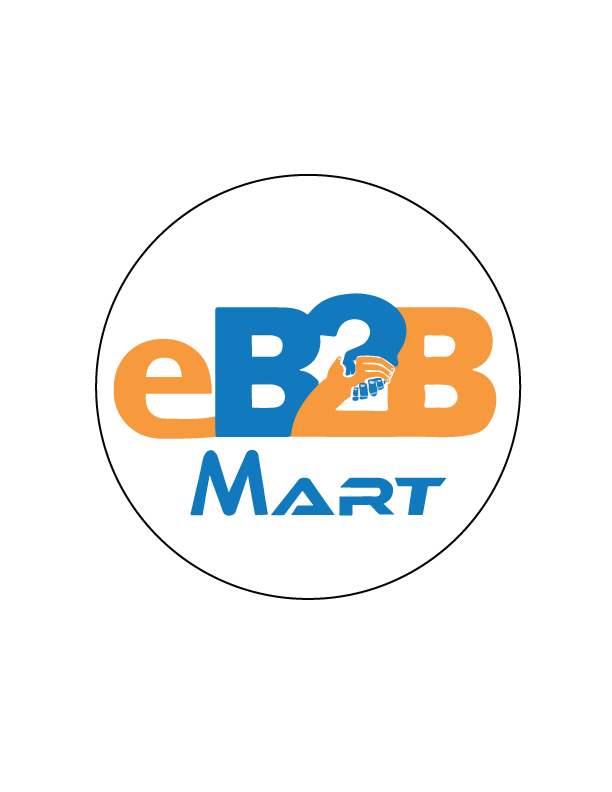
The healthcare sector is witnessing a significant shift as single-use endoscopes gain widespread acceptance across medical facilities. Unlike traditional reusable devices, these disposable instruments are designed for one-time use, effectively eliminating the risks of cross-contamination. As patient safety and hygiene standards take center stage, hospitals and clinics are rapidly...
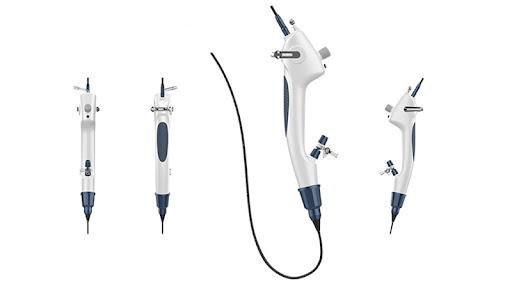
The Southeast Asia Sports and Outdoor Toys Market was valued at ~USD 995.52 million in 2024 and is expected to grow at a strong CAGR of approximately 6.72% during the forecast period (2025-2033F), The Southeast Asia Sports and Outdoor Toys market is experiencing consistent growth due to the positive demographics, the growing urban infrastructure, and preference towards play-based activities,...
The most recent research study by Polaris Market Research titled Asia Pacific Blockchain Technology Market size and share is currently valued at USD 2.64 Billion in 2023 and is anticipated to generate an estimated revenue of USD 150.04 Billion By 2032 , according to the latest study by Polaris Market Research. Besides, the report notes that the market exhibits a robust 56.8% Compound...