Common Challenges in SaaS Application Development and How to Overcome Them
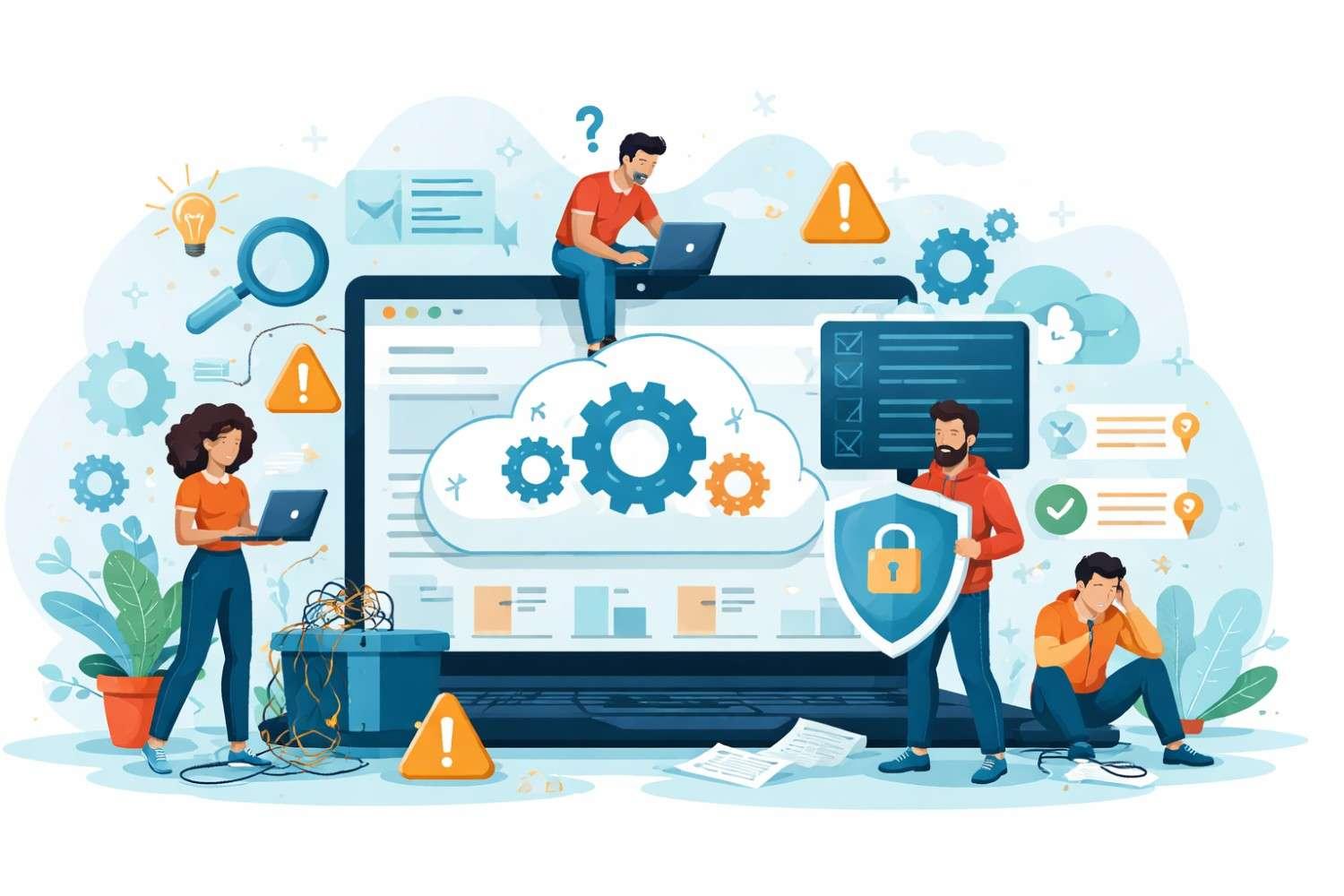
SaaS Application Development always sounds cleaner on a whiteboard than it feels in real life. On paper, everything is scalable, secure, and user-friendly. In practice, it’s more like juggling knives while riding a unicycle on a deadline. I learned this early, right after confidently telling a client, “This should be straightforward narrator voice: it was not. This post looks at the most common challenges teams face when building SaaS products and more importantly how to get through them without losing momentum, morale, or your sense of humor. Because if you can’t laugh at the process, it will absolutely laugh at you.
Scalability Isn’t Just a “Later” Problem
Scalability has a way of sneaking up on you. One day you’re celebrating your first hundred users; the next, the app slows to a crawl because everyone logged in at once. I once watched a “minor” performance issue turn into an all-hands emergency—pizza boxes included. The mistake is assuming growth will politely wait. It won’t. Planning for scalability early means designing flexible architectures, using cloud resources wisely, and stress-testing before success forces your hand. It’s not pessimism; it’s preparation. Growth is a good problem—unless you’re unprepared for it.
Managing Technical Debt (The Mess You’ll Definitely Notice Later)
Technical debt is what happens when speed wins every argument. Early on, it feels justified—shipping fast matters. But those quick fixes add up, quietly. I’ve said “we’ll refactor later” more times than I’d like to admit, and later has a suspicious habit of never arriving. Over time, small compromises become fragile systems that resist change. The solution isn’t perfection; it’s discipline. Regular refactoring, clear documentation, and honest assessments of shortcuts keep debt manageable. Ignore it too long, and progress starts costing more than it should.
Security and Compliance Can’t Be an Afterthought
Security often enters the conversation right after something goes wrong—which is exactly the problem. I once saw a team scramble after realizing a basic permission rule was missing (a very long afternoon). Users trust SaaS products with sensitive data, and that trust is fragile. Building security into the process—rather than bolting it on later—makes a real difference. This includes encryption, access controls, and regular audits. Compliance may feel tedious, but it’s cheaper than damage control. In SaaS, security isn’t a feature. It’s part of the foundation.
User Experience vs. Feature Overload
Every new feature feels like progress—until users feel overwhelmed. SaaS products often suffer from good intentions: adding “just one more thing” to satisfy everyone. I’ve watched dashboards grow so crowded they needed instructions. The reality is that more features don’t always mean more value. Clear user experience design requires restraint, constant feedback, and a willingness to say no. Analytics usually tell a different story than assumptions. When you focus on how people actually use the product, clarity wins. Simplicity isn’t laziness; it’s empathy, thoughtfully applied.
Team Alignment and Communication Gaps
Most SaaS challenges aren’t purely technical—they’re human. Misalignment between product, engineering, and business teams can slow everything down. I’ve sat in meetings where everyone agreed, only to discover we all agreed on different things. Clear communication, shared documentation, and defined ownership help prevent that drift. Regular check-ins matter, especially for distributed teams where context disappears quickly. When everyone understands not just what they’re building, but why, decisions get easier. Alignment doesn’t happen automatically; it’s something teams have to actively maintain.
Balancing Speed, Quality, and Cost
There’s a familiar triangle in SaaS Application Development work: move fast, build well, stay affordable. You rarely get all three at once. Early pressure—from markets or investors—often pushes speed to the top. That’s understandable, but unchecked speed creates quality issues that cost more later. I’ve learned that small, incremental releases help balance the trade-offs. Feature flags, staged rollouts, and honest timelines keep expectations realistic. The goal isn’t to be slow; it’s to be deliberate. Sustainable progress beats frantic progress every time.
Conclusion
Building a SaaS product is less about avoiding challenges and more about responding to them well. Every issue—scaling pains, messy code, miscommunication—comes with lessons if you’re paying attention. I’ve found that the teams who succeed aren’t the ones who never struggle; they’re the ones who adapt quickly and stay curious. If there’s a final takeaway, it’s this: expect complexity, plan thoughtfully, and leave room for learning. The process is rarely smooth—but that’s usually where the best insights come from.
Catégories
Lire la suite
A wedding ring is more than a beautiful piece of jewellery—it represents a lifelong promise and the story you share with your partner. Choosing custom wedding rings gives couples the opportunity to create something truly personal, moving beyond traditional designs to craft a ring that reflects their unique journey together. From selecting the perfect metal to choosing finishes, textures,...

Neverness to Everness launches on April 29, 2026, and Icy Veins has already opened a dedicated section to help you prepare. The page is live now with early guides focused on the fundamentals, giving you a clear starting point before you step into Hethereau. You’ll find beginner-friendly resources that explain the core systems and progression mechanics without overwhelming you....

Introduction Custom swimming pools are designed to match the style, space, and functional needs of a property while creating a unique and visually attractive outdoor environment. Professional swimming pool builders use a combination of design expertise, engineering knowledge, and modern construction techniques to create pools that fit residential homes, luxury villas, hotels, resorts, and...
Время убирать крюк наточить и забыть про фарм — в 40-м сезоне Mobile Legends: Bang Bang стартует временный режим Frozen Sea Showdown. С 23 апреля по 6 мая 2026 года (всего две недели) ты и ещё три товарища сойдётесь в ледяной битве 4 на 4, где каждый играет только за Франко. Никаких пятерок, никаких линий и крипов — только чистый хаос на узкой обледенелой арене. Как это работает?...
When you pick Mohali Escort assistance, you’re locating the right rated Escort organisation in and approximately Mohali. Our Escorts are the a number of the most fantastic and prolonged Female in the globally world. We can meet our customers’ specs irrespective of what they’re and we bring it out each professionally and quietly. Our useful, expert employees is to be...