


Small Business Funding Canada: Clear Paths to Loans, Grants, and Alternatives

Getting business funding in Canada doesn’t have to feel like guesswork. You can tap federal and provincial grants, government-backed loans, tax incentives, and private capital—each option fits different stages and needs of your business. Identify the funding types that match your goals and eligibility, and you can secure non-repayable grants, low-interest government loans, or investor capital to grow your venture.
This article from small business funding Canada will walk you through practical routes to funding, explain how eligibility and application steps differ, and highlight resources that can speed up your success. Expect clear comparisons and actionable next steps so you can choose the best path for your business.
Types of Small Business Funding in Canada
You can access non-repayable grants, low-interest public loans, private debt products, or equity capital from investors. Each option has different eligibility, cost, and reporting requirements that affect growth plans and cash flow.
Government Grants and Loans
Government grants provide targeted, non-repayable funds for specific activities like technology adoption, export development, hiring apprentices, or regional economic projects. Federal programs (e.g., NRC IRAP, Canada Digital Adoption Program) and provincial funds each set eligibility by industry, size, and project scope, so you must match your proposal to the program’s objectives.
Public loans and loan guarantees offer lower interest rates and longer terms than many private lenders. Examples include Canada Small Business Financing Program loans for equipment and leasehold improvements, and regional development agency loans that support rural or Indigenous businesses. Prepare a detailed business plan, financial projections, and compliance paperwork; application timelines can be weeks to months.
Private Lenders and Fintech Solutions
Private banks and credit unions provide conventional term loans, lines of credit, and business credit cards based on your credit history, revenue, and collateral. Banks often require established cash flow and security, while credit unions may offer more flexible local decision-making.
Fintech lenders and alternative finance platforms provide faster access through invoice financing, merchant cash advances, and short-term online loans. These products typically approve in days and base decisions on sales data or transaction history, but they carry higher fees and shorter repayment periods. Compare APR, prepayment penalties, and covenants before committing.
Venture Capital and Angel Investors
Angel investors and early-stage venture funds give equity capital in exchange for ownership and often active mentorship or board involvement. Angels typically invest smaller amounts ($25k–$250k) and focus on founder fit and early traction. Venture capital firms invest larger sums for high-growth potential, often requiring rapid scale and clear exit plans.
Equity funding dilutes your ownership but removes immediate repayment pressure, letting you invest aggressively in product, talent, or market expansion. Prepare a compelling pitch, clean cap table, and 12–24 month growth metrics. Expect term sheets, due diligence, and negotiations over valuation, control, and investor rights.
How to Access Business Funding?
You’ll need to match funding programs to your business stage, location, and immediate cash needs. Prepare focused materials that show revenue history, realistic projections, and how funds will be used.
Eligibility Criteria and Application Process
Lenders and grant programs look for specific qualifiers when assessing business funding in Canada: business registration in Canada, owner residency, number of employees, and eligible industry sectors. Federal programs often require incorporation or sole-proprietorship registration plus an explicit Canadian address. Provincial and municipal supports may add local-activity or sector-specific requirements.
Assess program fit before applying. For grants, check deadlines, eligible uses (e.g., hiring, digital adoption, exports), and whether matching funds are required. For loans, evaluate interest rates, repayment terms, and collateral needs. Apply through the program portal or your financial institution; many federal and provincial programs use online intake forms and ask for business numbers (BN/CRA), NAICS codes, and a project summary. Track application IDs and follow up within stated timelines.
Required Documentation
Common documents speed approvals: recent financial statements (last 2–3 years), interim year-to-date profit & loss, cash-flow forecast for 12 months, and a 3–5 year business plan if available. Lenders also request personal financial statements and credit history for owners holding majority ownership. Grants typically need a project budget, implementation timeline, and measurable outcomes.
Include government IDs, business registration documents (incorporation articles or provincial registration), GST/HST number, payroll records if hiring subsidies apply, and letters of support or client contracts for proof of market. Organize files as PDF, label clearly, and prepare one-page executive summaries to attach. This reduces back-and-forth and shortens review time.
Категории
Больше
Replica Hermes Bags 2025 June New Arrival Collections

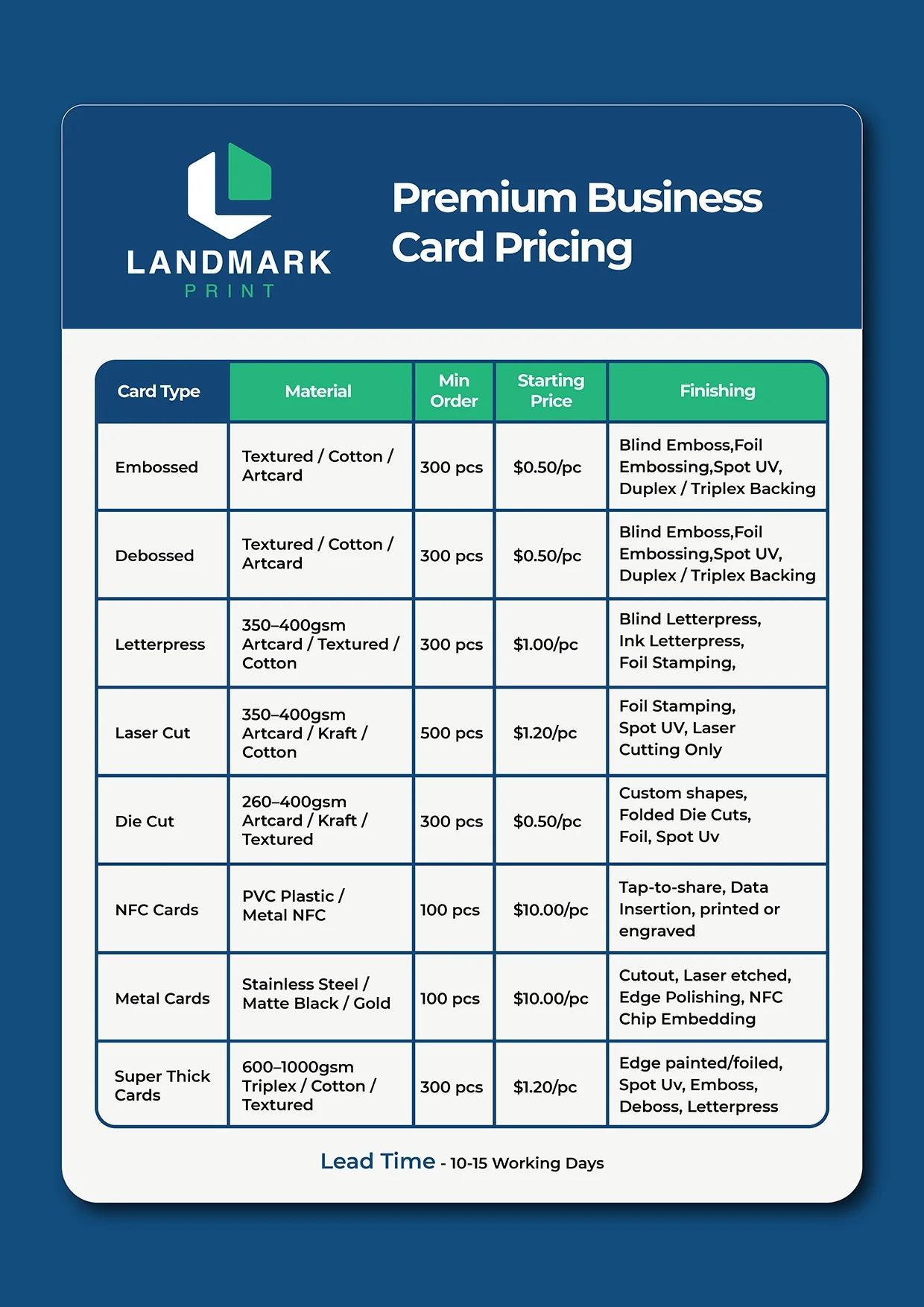
In today’s ultra-competitive market, your first impression can decide whether a client calls you back or forgets your company forever. A premium business card is no longer just a small piece of paper — it is your brand’s silent salesperson working around the clock. Companies that invest in bold, luxurious, and professionally designed cards instantly appear more trustworthy,...
The Best PvP Addons in WoW TBC Anniversary 2028 are essential for players who want to dominate Arena matches, Battlegrounds, and world PvP with precision, awareness, and faster decision-making. In competitive environments like The Burning Crusade Classic Anniversary, success is not only about gear and class choice but also about having a clean, optimized interface that delivers critical...

Every girl dreams of looking glamorous, confident, and stylish during wedding season. Whether you are a bride, bridesmaid, party guest, or attending a farewell or engagement celebration, modern beauty trends now focus on celebrity-inspired makeup, glowing skin, trendy hairstyles, and luxury self-care. Today’s beauty world is no longer about only heavy makeup. Modern brides and fashion...

Discover a world of limitless entertainment and digital experiences with iTunes UAE Gift Cards. These cards serve as your gateway to the vibrant Apple ecosystem, granting you access to an extensive array of content at your fingertips. From the latest blockbuster movies and hit songs to innovative applications, everything you desire is just a redemption away. They make thoughtful gifts for...