Fire and Impact Ratings of Slate Roof Tiles for Wildfire and Hail Zones
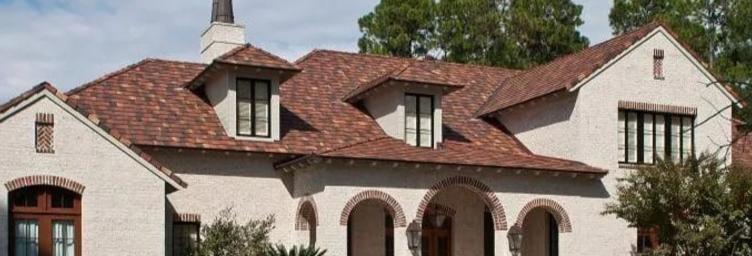
When you're choosing a roofofing material for areas known for wildfires, hailstorms, or extreme heat, performance matters just as much as looks. Slate roof tiles are one of the most durable and dependable choices on the market. Their natural resistance to both fire and impact gives homeowners and builders a solid line of defense against unpredictable weather.
Regions like the western U.S. and parts of the South frequently face intense heat and seasonal storms. In these areas, roofing isn’t just a design feature—it’s part of your building’s protective envelope. Whether you’re an architect planning for longevity or a homeowner looking to upgrade, understanding how slate performs under stress can guide smarter choices and reduce long-term risks.
Builders and property owners often turn to natural slate roofing products in Texas and surrounding states for their strength and weather resistance. These products are highly favored in regions where wildfire risks are rising, and hail events are becoming more frequent. The combination of natural stone durability and fireproof composition makes slate especially appealing for residential and institutional roofs.
What Fire and Impact Ratings Really Mean
Two of the most important performance indicators in roofing are fire and impact ratings. These are standardized test results used to show how a product will hold up under extreme conditions.
Fire ratings are categorized into three levels. Class A is the highest rating and means the material offers excellent resistance to fire spread and ignition. Class B provides moderate protection, while Class C offers minimal resistance. Slate, being a natural stone, is non-combustible. Most slate roof systems, when installed properly with compatible underlayments, qualify for a Class A fire rating, which is the gold standard in wildfire zones.
Impact ratings are based on a test method known as UL 2218. This test drops steel balls of various sizes onto roofing materials from measured heights. A Class 4 rating is the highest, indicating the material can withstand a 2-inch steel ball dropped from 20 feet without cracking. This test simulates large hail impact. Slate tiles often achieve Class 3 or Class 4 ratings depending on thickness and installation methods.
First Resistance in Real Conditions
The biggest threat during a wildfire isn’t always the flames—it’s the flying embers. These embers can travel miles ahead of the fire and land on rooftops. If the roof is made of a flammable material, such as wood shakes, it can ignite quickly. Slate, on the other hand, simply does not burn.
To ensure your roof achieves Class A status, it's important that the entire system is fire-rated—not just the tile. This means using fire-resistant underlayment materials and proper installation techniques. When installed with a compatible fire-rated underlayment, slate roof tiles act as a shield against ember attacks and surface ignition.
How Slate Performs in Hailstorms
Hail is one of the most common and expensive causes of roof damage in the United States. In areas like North Texas and the central plains, storms frequently drop hailstones over an inch in diameter. Poor-quality materials will crack, dent, or break—leading to costly repairs or total roof replacement.
Slate is incredibly dense and strong. However, its ability to resist hail depends on factors like thickness, how it was cut, and how it’s installed. Thicker slate tiles, usually in the 3/8-inch to 1/2-inch range, tend to receive the highest impact ratings. These tiles can handle direct hits from large hailstones without breaking, especially when installed with proper overlap and fastening techniques.
In fact, many suppliers of slate roof tiles Texas builders trust stock heavier, higher-rated tiles specifically to handle the region’s intense hail seasons. A properly installed slate roof using high-quality, impact-rated tiles can remain intact through hailstorms that would destroy other materials like asphalt or synthetic composites.
Why Thickness and Installation Make a Difference
Not all slate tiles are created equal. The thickness of the tile plays a major role in both fire and impact performance. The inner tiles around 1/4 inch may still provide good protection, but the thicker options—up to 3/4 inch—perform better in high-stress environments. These heavier tiles are more common on high-end custom builds or restoration projects, especially in severe weather zones.
Installation methods also matter. Slate should always be installed by a qualified roofer who understands proper exposure ratios, nailing patterns, and underlayment selection. Using stainless steel or copper nails helps prevent corrosion, and proper spacing ensures the tiles can expand and contract without cracking under stress. All of these factors contribute to a longer-lasting, more resilient roof system.
What to Look for in Certified Slate Roof Tiles
Not every supplier meets the same standard, so when you’re buying slate roof tiles that Texas homeowners and contractors trust, you should look for certifications and quality guarantees. Reputable products will comply with ASTM C406, the standard specification for roofing slate. You should also check for UL 790 (fire resistance) and UL 2218 (impact resistance) ratings. A Certificate of Origin from a recognized quarry adds credibility and confirms you’re getting authentic, high-grade material.
Suppliers who specialize in natural roofing products often provide these certifications upfront. If you're unsure about the performance level of a product, ask directly about its fire and impact testing history.
Real-World Benefits of Rated SlatRoofing.
A slate roof isn’t just about aesthetics—though it certainly adds beauty and curb appeal. In wildfire and hail zones, it also adds peace of mind. A roof rated Class A for fire and Class 4 for impact can potentially lower insurance premiums, reduce the risk of costly storm repairs, and provide decades of service life with minimal maintenance.
These benefits are particularly meaningful in areas facing unpredictable weather patterns. Whether you're building a new home or upgrading an existing one, a roof made with properly rated slate tiles can serve as a long-term investment in safety, performance, and value.
Conclusion
Slate roof tiles deliver much more than timeless beauty—they offer high levels of protection in regions threatened by fire and hail. When paired with the right underlayment and installed by experienced professionals, slate achieves top-tier fire and impact ratings that few other materials can match.
If you’re considering a roof upgrade in an area where weather damage is a concern, slate deserves serious consideration. For those sourcinglate roof tiles Texas builders rely on, the key is to choose certified products that meet or exceed performance standards. With the right system in place, your roof can stand strong against nature's most intense challenges—and look incredible doing it.
Categorías
Read More
Polaris Market Research has introduced the latest market research report titled Phosphatidylcholine Market Share, Size, Trends, Industry Analysis Report, By Source (Eggs, Soyabean, Sunflower, Mustard, Others); By Grade; By Function; By End Use; By Region; Segment Forecast, 2023 - 2032 that highlights the major revenue stream for the forecast period. The report contains clear,...

ZetCasino Online Gaming Platform: A Complete Guide for Players Introduction to ZetCasino ZetCasino has become a well-known name in the online gaming industry, attracting players with its wide range of casino games, rewarding promotions, and modern gaming interface. The platform provides an engaging environment for both beginners and experienced players who want to enjoy casino entertainment...

In a significant development, the European Commission has outlined a comprehensive plan to enable law enforcement agencies to access encrypted communications by 2030. This initiative, revealed on June 24, 2025, forms a crucial component of the broader ProtectEU framework introduced earlier in April. The Commission's roadmap details steps toward ensuring what they term "lawful and effective"...

World of Warcraft: The Burning Crusade (TBC) marked a major evolution in item design and progression compared to classic WoW. Released as the game’s first expansion, TBC introduced new zones, higher level caps, and a more structured approach to gear acquisition. Items in TBC were not just stat sticks; they played a central role in defining character performance, class balance, and endgame...
I often hear adults say that tobacco flavored vapes feel either too sharp or too flat. That problem shows up when flavor formulas lean hard in one direction and lose balance. In this context, I look at how Raz Tobacco Flavor approaches balance by keeping notes measured rather than dominant. You can read background material directly from the official source here: Raz Tobacco Flavor. From my...