Signs It’s Time to Consider Elderly Care Services

Recognizing when an aging loved one needs additional support can be emotionally challenging for families. Many seniors value independence, but subtle changes in health, behavior, or daily routines may signal the need for professional help. When families begin exploring Elderly Care Services in Dubai, it is often because certain signs indicate that living without structured assistance may no longer be safe, healthy, or fulfilling for the senior.
Difficulty Managing Daily Activities:
One of the earliest signs that elderly care may be necessary is trouble handling everyday tasks. Activities that were once simple can become overwhelming or physically demanding over time. Common indicators include:
-
Struggling with bathing, dressing, or grooming
-
Difficulty preparing meals or eating regularly
-
Challenges with housekeeping and laundry
-
Neglecting personal hygiene or appearance
Frequent Falls or Mobility Issues:
Mobility problems significantly increase the risk of injury and reduce confidence. Even minor falls can lead to serious complications for seniors. Warning signs related to mobility often include:
-
Unsteady walking or frequent stumbling
-
Difficulty standing up or sitting down
-
Avoidance of movement due to fear of falling
-
Visible bruises or unexplained injuries
Declining Physical Health:
Noticeable changes in physical health may suggest that a senior requires consistent monitoring and assistance. Chronic conditions can worsen without proper care and supervision. Physical health concerns often show through:
-
Sudden or gradual weight loss
-
Missed medications or incorrect dosages
-
Poor management of chronic illnesses
-
Frequent hospital visits or medical complications
Memory Loss and Cognitive Changes:
Cognitive decline can affect judgment, safety, and daily functioning. Memory-related issues are a strong indicator that additional support may be needed. Signs of concern include:
-
Forgetting appointments or medications
-
Repeating questions or stories frequently
-
Confusion about time, place, or familiar people
-
Difficulty managing finances or important documents
Increased Isolation or Loneliness:
Social withdrawal can have serious emotional and mental health consequences for seniors. A lack of interaction often leads to depression and anxiety. Indicators of isolation may include:
-
Reduced interest in social activities
-
Avoiding family or friends
-
Spending long periods alone without engagement
-
Expressing feelings of sadness or loneliness
Changes in Mood or Behavior:
Personality or mood changes can signal emotional distress or underlying health issues. These changes may be subtle at first but often worsen over time. Families may notice:
-
Increased irritability or agitation
-
Anxiety, fearfulness, or mood swings
-
Signs of depression or hopelessness
-
Loss of interest in hobbies or routines
Poor Nutrition and Eating Habits:
Proper nutrition is essential for maintaining strength and immunity in seniors. When eating habits decline, overall health can quickly deteriorate. Warning signs related to nutrition include:
-
Skipping meals or forgetting to eat
-
Reliance on unhealthy or convenience foods
-
Difficulty chewing or swallowing
-
Dehydration or lack of appetite
Difficulty Managing Medications:
Medication mismanagement is a serious risk for older adults, especially those with multiple prescriptions. Errors can lead to severe health consequences. Signs of difficulty include:
-
Missed doses or taking too much medication
-
Confusion about prescriptions
-
Expired or unused medications accumulating
-
Lack of organization or tracking systems
Home Safety Concerns:
An unsafe living environment can pose daily risks for seniors. As physical and cognitive abilities change, homes may need adjustments or supervision. Safety-related signs include:
-
Cluttered or poorly maintained living spaces
-
Burn marks, unattended appliances, or fire risks
-
Lack of mobility aids or safety installations
-
Difficulty responding to emergencies
Caregiver Burnout in the Family:
Sometimes the need for elderly care becomes evident through the exhaustion of family caregivers. When caregiving responsibilities become overwhelming, professional support may be necessary. Signs of caregiver burnout include:
-
Physical and emotional fatigue
-
Increased stress or frustration
-
Neglect of personal health or responsibilities
-
Feeling unable to provide adequate care
Increased Dependence on Others:
A growing reliance on family members for basic needs often indicates that independent living is becoming difficult. This dependence may manifest as:
-
Frequent requests for help with small tasks
-
Inability to be left alone safely
-
Dependence for transportation and errands
-
Loss of confidence in managing daily life
Repeated Medical Emergencies:
Recurring health emergencies can be a strong sign that ongoing supervision is required. Regular incidents may indicate unmanaged conditions or safety risks. These situations often involve:
-
Frequent falls or injuries
-
Repeated hospital admissions
-
Sudden health episodes without warning
-
Delayed response to medical needs
Final Thoughts:
Deciding when to consider professional care is never easy, but recognizing the signs early can prevent serious health and safety issues. Changes in physical health, cognition, emotional well-being, and daily functioning often signal that additional support is necessary. Exploring Elderly Care Services in Dubai at the right time allows families to ensure their loved ones receive compassionate, structured care that enhances safety, dignity, and overall quality of life while offering peace of mind to everyone involved.
Categorias
Leia mais
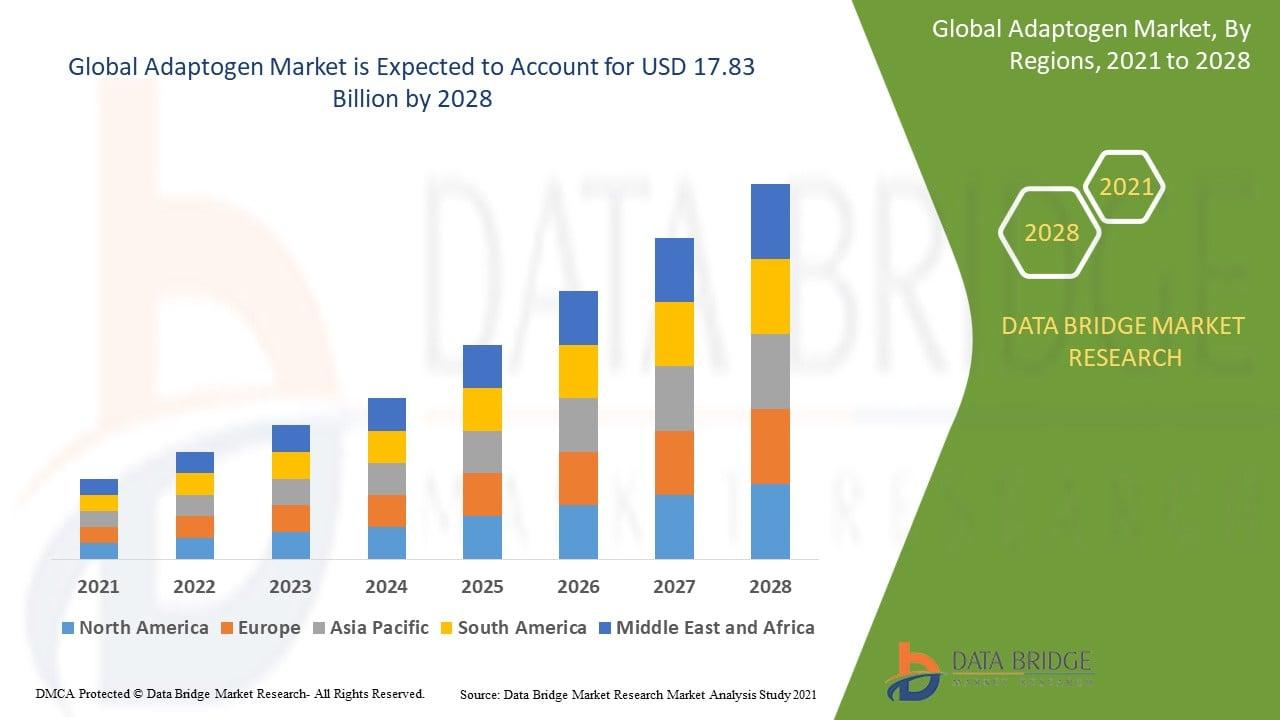
Adaptogen Market Summary: According to the latest report published by Data Bridge Market Research, the Adaptogen Market CThe global adaptogen market size was valued at USD 13.70 billion in 2024 and is projected to reach USD 23.19 billion by 2032, with a CAGR of 6.80% during the forecast period of 2025 to 2032. The Adaptogen Market analysis report helps strengthen organization and...
While Chinese tech firms face scrutiny over data practices, American shopping platforms demonstrate voracious data consumption that may construct your digital twin. Amazon emerges as the most prolific collector, harvesting 25 distinct data points - including sensitive voice recordings and audio clips. US apps dominate privacy concerns: Walmart and Costco trail Amazon with 23 data types each,...

В популярной игре PUBG: Battlegrounds вновь возвращаются зомби, что стало большим сюрпризом для фанатов. Разработчики представили новый временный режим под названием Survivors Left Behind, в котором участникам предстоит бороться с ордами нежити. Этот режим обещает интенсивные сражения и новые тактики выживания. Стартовое событие запланировано на 24 сентября, и оно добавит динамики в уже...

The online gaming industry has expanded rapidly over the last few years, and many users are now searching for trusted platforms that provide easy access, smooth performance, and exciting entertainment. One keyword that continues to gain attention is 7meter88 7meter Login. Players often search for 7meter88 7meter Login because they want a platform that offers a simple login process, fast loading...
In today's highly competitive digital landscape, businesses must employ a variety of strategies to ensure their online presence is strong and sustainable. One such strategy is search engine optimization (SEO), which plays a crucial role in improving a website’s visibility and driving traffic. One of the most effective ways to enhance SEO is through link building. However, for many...