


DSL Response to Digital Kidnapping: A Strategic Safeguarding Guide
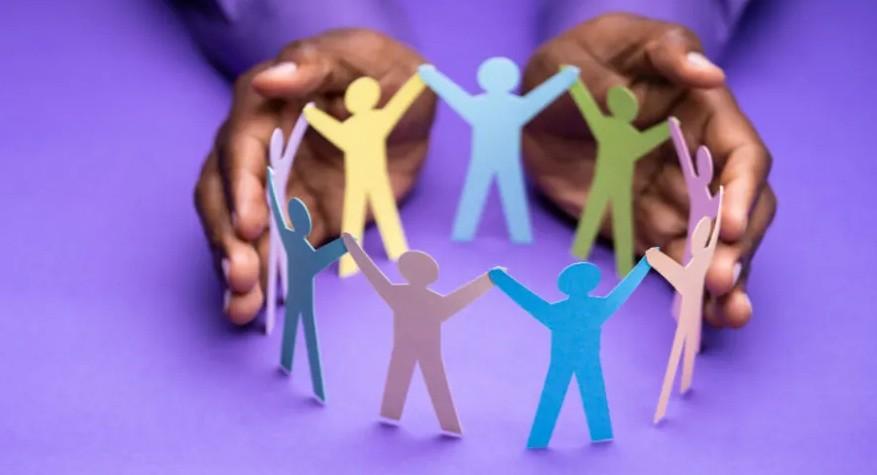
The digital landscape has introduced a new frontier of risks that schools and colleges must navigate with increasing vigilance. Among these, "digital kidnapping" has emerged as a particularly distressing trend, involving the unauthorized use of a child’s photos and personal information to create fake online personas or extortion schemes. For a professional who has completed a designated safeguarding lead training course, identifying and responding to such complex online harms is a core responsibility. Unlike traditional kidnapping, this crime takes place in a virtual space, yet its impact on a child's mental health, privacy, and future reputation is profoundly real. This guide explores the strategic steps a Designated Safeguarding Lead (DSL) must take to manage incidents of digital kidnapping and support affected students.
Understanding the Mechanics of Digital Kidnapping
To respond effectively, a DSL must first understand the two distinct forms this threat takes. The first is a form of identity theft where an individual steals images of a child from social media to create a fake account. They may give the child a new name, a new history, and interact with others as if they are the parent. The second, and often more terrifying, version is the virtual kidnapping scam. In these cases, perpetrators use social engineering and AI-generated voice cloning to convince parents that their child has been physically abducted. They often research a student’s location or schedule online to make the threat appear credible. This underscores why digital literacy and data privacy are no longer just IT topics but critical safeguarding concerns.
Effective management of these risks starts with recognizing the "tell-tale" signs. A student might become withdrawn after discovering their photos are being used by a stranger, or a parent might contact the school in a state of extreme distress following a scam call. A lead who has been through a designated safeguarding lead training course will know how to initiate a risk assessment immediately. This involves determining whether the threat is purely digital or if there is a risk of the situation escalating into real-world stalking or grooming. Understanding the technical side of how these images are harvested—often through unsecured public profiles—allows the DSL to provide targeted advice to the school community on preventing future occurrences.
Immediate Response Protocols for the DSL
When a case of digital kidnapping is reported, the DSL must follow a clear, pre-defined protocol. The first step is to ensure the immediate safety of the child and provide emotional support. Digital kidnapping can cause intense psychological distress; a child may feel "violated" knowing a stranger is using their image. The DSL should work closely with the pastoral team to monitor the student’s wellbeing. Simultaneously, the lead must document the incident meticulously. This includes taking screenshots of the fake accounts or recording details of the extortion attempt. Such evidence is vital when reporting the incident to social media platforms or law enforcement agencies like Action Fraud or the police.
Communication with parents is equally crucial during this phase. If a family has been targeted by a virtual kidnapping scam, they may be in a state of shock. The DSL acts as a stabilizing force, helping the family navigate the reporting process and advising them on how to secure their digital footprints moving forward. This might involve guiding them through privacy settings on various platforms or explaining how to use "safe words" within the family to verify identity during emergencies. This level of expert guidance is a direct application of the skills learned in a designated safeguarding lead training course, ensuring the response is both professional and empathetic.
Liaising with External Agencies and Law Enforcement
Digital kidnapping is a criminal act, and the DSL must be prepared to work with external partners to resolve it. In cases of extortion or credible threats, the police must be involved immediately. The DSL serves as the bridge, providing investigators with relevant school-based information while protecting the child's confidentiality. Furthermore, the DSL should engage with the local authority’s safeguarding partners to see if similar incidents have been reported in the area. This collaborative approach ensures that the response is not isolated but part of a wider community effort to protect young people from sophisticated cyber-criminals.
Reporting to social media companies is another technical hurdle where the DSL’s expertise is required. Many platforms have specific reporting channels for "impersonation" or "harassment." The DSL can support the family in submitting these reports and, in some cases, use the school’s official status to escalate the matter. A professional who has undergone a designated safeguarding lead training course understands the legal thresholds for these reports and can articulate the safeguarding risks to the platform’s moderation teams. This persistent advocacy is often what is needed to have the fraudulent content removed quickly, minimizing the duration of the harm.
Preventative Education and Policy Integration
While responding to incidents is essential, the long-term goal for any DSL is prevention. This involves integrating digital safety into the school’s broader safeguarding culture. The DSL should lead staff training sessions to ensure every teacher can recognize the signs of digital kidnapping and knows how to refer a concern. Furthermore, the school’s "Online Safety Policy" must be a living document that explicitly addresses identity theft and virtual scams. By staying ahead of trends through a designated safeguarding lead training course, leads can ensure their policies are proactive rather than reactive, adapting to new technologies like deepfakes and advanced AI.
Student and parent education is the most effective "digital shield." The DSL should coordinate workshops that teach students about the "permanence" of their digital footprint and the risks of oversharing personal details. Parents need to be informed about the dangers of "sharenting"—posting identifiable photos of their children that can be easily harvested by digital kidnappers. When the whole community is aware of how these scams work, the power of the perpetrator is significantly diminished. The DSL’s role is to empower the community with knowledge, transforming a terrifying digital threat into a manageable risk through education and robust safeguarding practices.
Strengthening the Safeguarding Culture
Ultimately, the response to digital kidnapping is a test of a school’s safeguarding resilience. It requires a DSL who is not only technically savvy but also deeply committed to the holistic safety of every student. By maintaining an environment where students feel safe to disclose online concerns without fear of being "judged" or losing their device privileges, the DSL fosters a culture of transparency. This "telling culture" is vital for early intervention. Continuous professional development, such as a designated safeguarding lead training course, ensures that the lead remains a source of expert advice and a reliable protector in an increasingly complex digital world.
Categorieën
Read More
The strategic importance of Singapore dedicated server hosting. Now one of the most dependable hosting solutions for businesses that need to perform well, maintain maximum uptime, and secure infrastructure is dedicated hosting. With its status as a premier digital hub in Asia, Singapore is an attractive choice for web hosting, app development, and enterprise platforms to connect with Southeast...

Es gibt Reisen, die man plant. Und es gibt Reisen, die einen für immer verändern. Eine Morgensafari im Ranthambore-Nationalpark gehört zur zweiten Kategorie. Die Luft riecht nach feuchtem Gras und roter Erde, Nebelschwaden hängen zwischen den Schirmakazien – und dann, für einen Moment, tritt ein Bengalischer Tiger aus dem Dickicht. Indien ist längst mehr als...

When an unexpected accident disrupts your life, having the right legal support can make a significant difference in your recovery journey. A personal injury law firm in Kingston plays a crucial role in helping victims secure fair compensation, navigate insurance claims, and rebuild their lives with confidence. Whether it’s a car crash, workplace injury, or slip and fall incident,...

" According to the latest report published by Data Bridge Market Research, the Asia-Pacific Extrusion Machinery Market The Asia-Pacific Extrusion Machinery Market size was valued at USD 4.70 billion in 2024 and is expected to reach USD 6.64 billion by 2032, at a CAGR of 4.4% during the forecast period Asia-Pacific Extrusion Machinery Market analysis...
Sensitive Toothpaste Market: Growth Trends, Key Drivers, Challenges, Key Players, and Future Outlook Market Overview The global Sensitive Toothpaste Market is experiencing steady growth due to increasing awareness regarding oral hygiene, rising cases of tooth sensitivity, and growing consumer demand for specialized dental care products. Sensitive toothpaste is formulated to provide...