How to Choose the Right Car Shelter for Your Vehicle
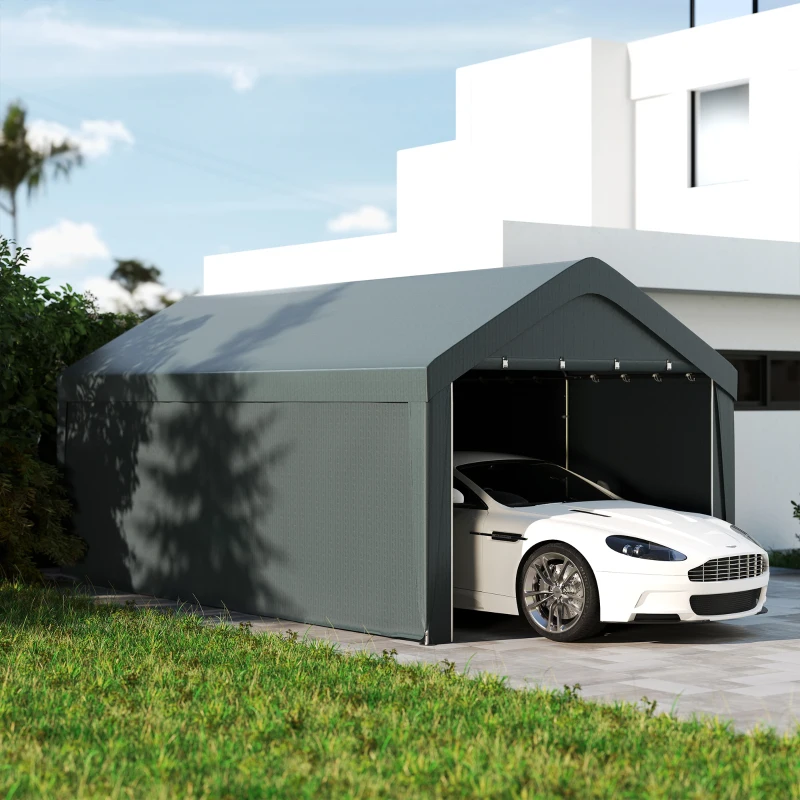
Choosing the right car shelter is essential for maintaining the longevity of your vehicle. Whether you're protecting your car from harsh weather conditions, preventing damage from UV rays, or simply keeping it clean, selecting the right shelter can save you time, effort, and money in the long run. With various options available, here's a guide to help you make an informed decision.
1. Assess Your Climate and Weather Conditions
The first step in choosing the right car shelter is to evaluate the climate you live in. Different weather conditions require different types of protection for your vehicle.
-
Cold and Snowy Weather: If you’re in an area with heavy snow and freezing temperatures, you’ll want a car shelter that provides solid protection from the elements. Look for shelters with sturdy roofs that can withstand heavy snow loads and prevent ice buildup.
-
Hot and Sunny Climates: For warmer climates, your car shelter should offer protection from the sun’s UV rays. Choose a shelter made from breathable materials that prevent the buildup of heat while blocking UV rays that can fade your car’s paint over time.
-
Windy Areas: If you’re in a region that experiences frequent strong winds, opt for a shelter with secure anchoring systems. A carport with reinforced legs and a well-secured cover will keep your vehicle safe from being blown around.
2. Consider the Type of Shelter
There are several types of car shelters, each designed to meet different needs. Understanding the benefits of each will help you choose the best one for your situation.
-
Carports: A carport is an open-sided structure with a roof that offers shelter for your vehicle. Carports are a great option for moderate weather conditions and are easy to install. They typically require less space than a full garage, making them ideal for tight driveways or properties with limited space.
-
Portable Garages: These shelters provide more comprehensive protection than a carport. They are fully enclosed and protect your car from all sides, making them an excellent choice for extreme weather conditions. Portable garages are often easy to set up and take down, making them a good option if you need a temporary solution.
-
Car Canopies: A car canopy is a lightweight, flexible cover that provides basic protection against rain and sun. They are often the most affordable option but offer less protection in terms of security and protection from snow or high winds.
3. Size Matters
Before selecting a shelter, ensure it’s large enough to fit your vehicle comfortably. Measure your car’s length, width, and height and then check the shelter’s specifications to ensure it will provide enough space for your vehicle.
-
Small Cars: If you own a compact car or a hatchback, you won’t need as much space, so a smaller shelter like a car canopy or small carport might be sufficient.
-
SUVs and Trucks: Larger vehicles, like SUVs and trucks, will require more space. Be sure to choose a shelter with extra height and width to accommodate your vehicle and allow for easy entry and exit.
4. Material Quality and Durability
The materials used in your car shelter are crucial for its longevity and performance. Look for shelters made from high-quality, weather-resistant materials that can stand up to the elements over time.
-
Roofing Materials: If you’re in an area with heavy snowfall or rain, opt for a shelter with a durable, water-resistant roof. Materials such as polyethylene or PVC are commonly used because they are waterproof and UV-resistant.
-
Frame Construction: The frame of the shelter should be made of strong, rust-resistant materials such as steel or aluminium. This ensures the shelter is stable and won’t bend or rust over time. Check the frame's gauge to ensure it’s sturdy enough to withstand heavy winds.
5. Ease of Assembly and Installation
Some car shelters are easier to assemble than others. If you’re looking for a simple and quick solution, look for a shelter with easy-to-follow instructions or one that can be assembled with minimal tools.
-
Pre-Assembled Shelters: Many car shelters come partially or fully pre-assembled, allowing for quick setup with minimal effort.
-
DIY Options: If you prefer to build your own shelter or want a custom design, look for kits that allow for more flexibility in terms of size and design. These might require more time and tools to install but can provide a more tailored solution.
6. Budget Considerations
Car shelters come in a wide range of prices, depending on their materials, size, and features. It’s essential to choose a shelter that fits within your budget while still offering the protection you need for your vehicle.
-
Affordable Options: Carports and canopies are typically more affordable and are great for those on a budget.
-
Higher-End Shelters: For the ultimate protection, you can invest in a fully enclosed garage or portable garage, which tends to be more expensive but offers comprehensive protection for your vehicle.
7. Additional Features
Consider any additional features that might enhance the shelter’s functionality and convenience. Some features to look out for include:
-
Sidewalls: Some shelters offer optional sidewalls that can be added for extra protection, especially for keeping your vehicle secure against wind or rain.
-
Ventilation: Ensure that your shelter has proper ventilation to prevent moisture buildup, which could lead to rust or mold growth on your vehicle.
-
Security: For added peace of mind, some shelters come with lockable doors or additional security features to keep your vehicle safe.
Choosing the right car shelter depends on your specific needs, including your climate, vehicle size, and budget. Whether you need a simple carport to shield your vehicle from the sun or a fully enclosed shelter to protect it from harsh weather, there’s a shelter solution that will fit your requirements. By carefully considering the factors above, you can ensure that your vehicle remains in top condition year-round.
Категории
Больше
Blackberry's recent troubles have shaken user confidence in what was once considered the most dependable smartphone platform. While iPhones and Android devices often steal the spotlight, the Blackberry has long been the workhorse of the mobile world. Its centralized network design offers security advantages but also creates a critical vulnerability when failures occur. Two major outages in one...

A new growth forecast report titled Critical Infrastructure Protection Market Size, Share, Trends, & Industry Analysis Report : By Component (Solution and Services), Solution Type, Vertical, and Region – Market Forecast, 2026–2034 introduced by Polaris Market Research represents conclusive data on the overall market. It majorly targets to provide a detailed analysis of...
The Booming Comic Book Market: A Modern Renaissance Comic books have come a long way since their humble beginnings in the early 20th century. What started as inexpensive, often disposable entertainment has evolved into a multi-billion-dollar industry that spans comics, graphic novels, movies, merchandise, and digital platforms. The comic book market today is a fascinating blend...
The Isophorone Market is expanding rapidly as industries look for high-performance solvents to meet the growing demands of various applications, particularly in the automotive, construction, and chemicals sectors. Isophorone is a valuable solvent known for its exceptional solubility and ability to dissolve a wide range of substances, making it ideal for use in coatings, paints, adhesives, and...
Pheochromocytoma is a rare type of tumor that arises from the adrenal glands, which are located above the kidneys and produce essential hormones like adrenaline and noradrenaline. These tumors can lead to the overproduction of these hormones, causing severe health complications if left untreated. Many residents of Noida ask: “What is pheochromocytoma?” Understanding its causes,...