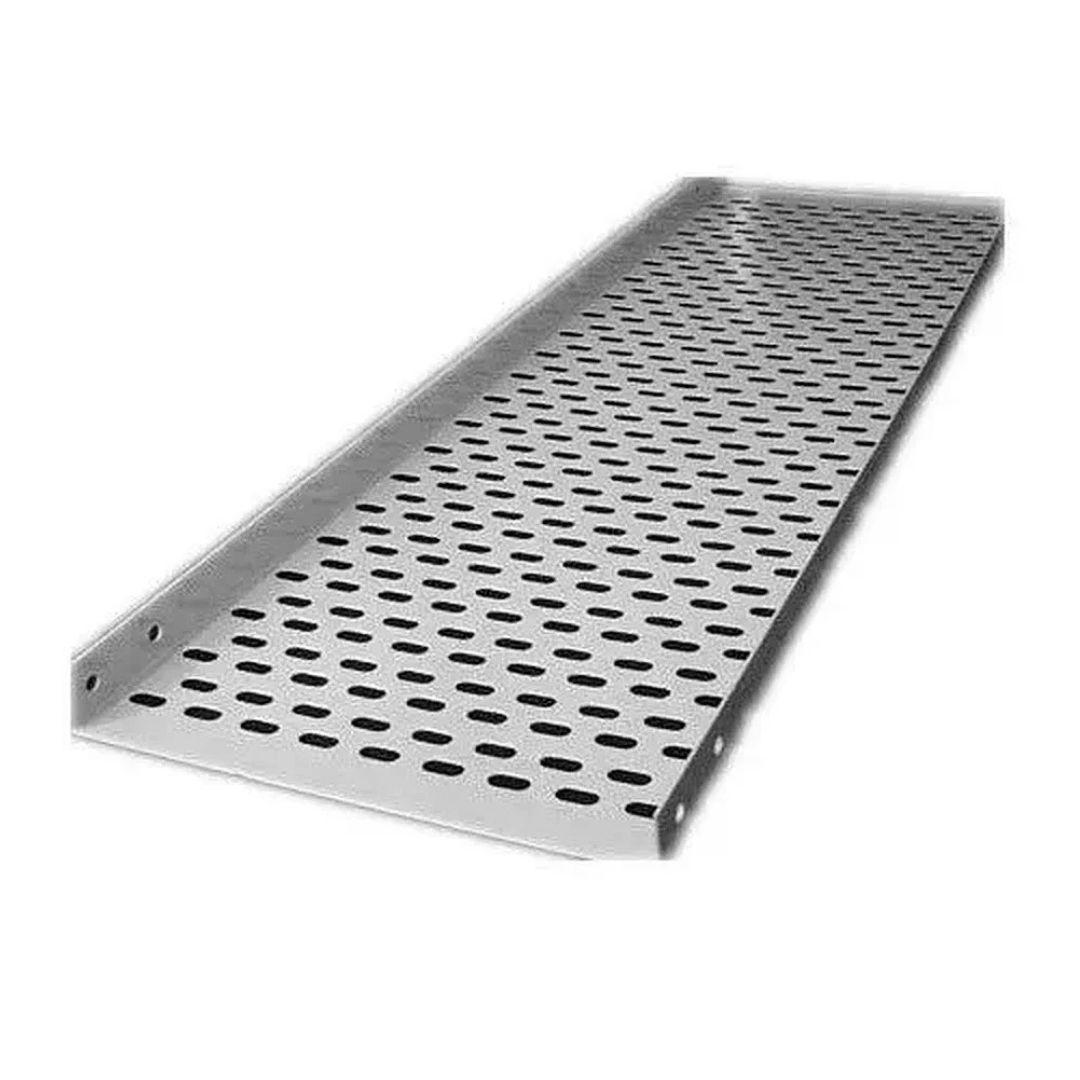
In modern electrical and industrial infrastructure, selecting the right cable management solution plays a vital role in safety, performance, and long-term maintenance. Two commonly used systems are Cable Tray and cable conduit. While both serve the purpose of protecting and routing electrical wiring, their design, application, and advantages differ significantly. Understanding these differences helps businesses, contractors, and facility managers make informed decisions for efficient cable management systems.
This guide explains the core differences between cable tray systems and conduits, their applications, and how to choose the right option for industrial and commercial projects.
Understanding the Concept of Cable Tray
A Cable Tray is an open support system designed to hold and organize electrical cables safely. It allows cables to run horizontally or vertically while remaining visible and accessible. Due to its open structure, it provides excellent ventilation, reducing heat buildup and extending cable life. This makes it a preferred solution in large facilities where frequent inspections and modifications are required.
In industries such as manufacturing plants, data centers, power stations, and warehouses, Cable Tray systems are widely used as a reliable electrical wiring support solution. Their flexibility allows easy addition or removal of cables without disturbing the entire system, saving both time and cost.
What Is a Cable Conduit System?
A cable conduit is a closed piping system used to enclose electrical wires completely. It is usually made from materials such as PVC, steel, or aluminum. The primary purpose of a conduit is to provide maximum protection against moisture, dust, chemicals, and physical damage.
Cable conduits are commonly installed in residential buildings, underground wiring, and outdoor applications where environmental exposure is high. Unlike open systems, conduits hide the cables entirely, offering a clean and compact appearance. However, this closed structure can make maintenance and upgrades more time-consuming.
Structural Differences Between Cable Tray and Conduit
The most noticeable difference lies in their structure. A Cable Tray has an open or semi-open design, allowing air circulation and visual inspection of cables. This design supports multiple cables together, making it ideal for large-scale installations.
On the other hand, conduits are fully enclosed, protecting individual or grouped wires within a pipe. While this provides superior protection, it limits accessibility. Any change or repair usually requires pulling wires out, which increases labor effort and downtime.
Installation and Maintenance Comparison
Installation of a Cable Tray system is faster and more economical for large projects. Since cables are laid directly on the tray, technicians can quickly route, inspect, and modify wiring layouts. This makes Cable Tray a cost-effective solution for facilities that expect frequent upgrades or expansions.
Conduit installation requires precise planning and skilled labor. Once installed, making changes is difficult, especially in long or underground conduit runs. Maintenance can also be challenging, as faults inside the conduit are harder to detect and fix.
Application Areas and Industry Usage
Industries with complex wiring needs often prefer Cable Tray systems for their flexibility and scalability. Manufacturing plants, commercial complexes, and IT infrastructure facilities rely heavily on open tray systems for effective industrial cable routing.
Cable conduits are better suited for areas where wiring needs maximum protection, such as outdoor installations, hazardous zones, or residential buildings. Both systems serve important roles, but the choice depends on environmental conditions, safety requirements, and future expansion plans.
Cost Efficiency and Long-Term Value
From a cost perspective, Cable Tray systems are generally more economical for large installations. Lower material costs, reduced labor, and easier maintenance contribute to long-term savings. This is why many projects partner with experienced Cable Tray Manufacturers to ensure durability and compliance with safety standards.
Conduits may appear affordable initially, but higher installation time and maintenance costs can increase overall expenses. For projects focused on long-term efficiency, open tray systems often deliver better value.
Choosing the Right Solution for Your Project
The decision between Cable Tray and conduit depends on project scale, environment, and maintenance expectations. Facilities requiring adaptability, visibility, and organized cable management systems benefit more from tray systems. Projects that prioritize protection from external elements may find conduits more suitable.
Reputed Cable Tray Manufacturers design systems that meet international quality standards, ensuring safety, strength, and performance. Similarly, projects involving storage and space optimization often collaborate with trusted Mobile Rack Manufacturers to complement their infrastructure layout. Many industrial facilities integrate both systems for optimal functionality, working closely with Mobile Rack Manufacturers to maximize operational efficiency.
Why Quality Manufacturing Matters
High-quality materials and precise engineering significantly impact system performance. Reliable manufacturers ensure corrosion resistance, load-bearing strength, and compliance with electrical safety norms. Choosing the right supplier enhances system lifespan and minimizes operational risks.
Companies like Mesco Storage Systems focus on delivering robust solutions that align with modern industrial demands. By combining expertise in storage and infrastructure support, Mesco Storage Systems helps businesses achieve reliable and future-ready installations.
Final Thoughts
Both Cable Tray and cable conduit systems are essential components of modern electrical infrastructure, each serving distinct purposes. While conduits offer superior protection in harsh environments, Cable Tray systems provide unmatched flexibility, visibility, and cost efficiency for large-scale applications. Selecting the right solution requires understanding project needs, environmental factors, and long-term maintenance goals.
To design a safe, efficient, and scalable electrical setup, partner with experienced professionals who understand industry standards and practical requirements. Contact Mesco Storage Systems today to get expert guidance and customized solutions for your next project.
Source Url: https://todaytrailer.com/news/article/1508-what-is-the-difference-between-cable-tray-and-cable-conduit.html