Signs Your CNC Tool Needs Replacement or Regrinding
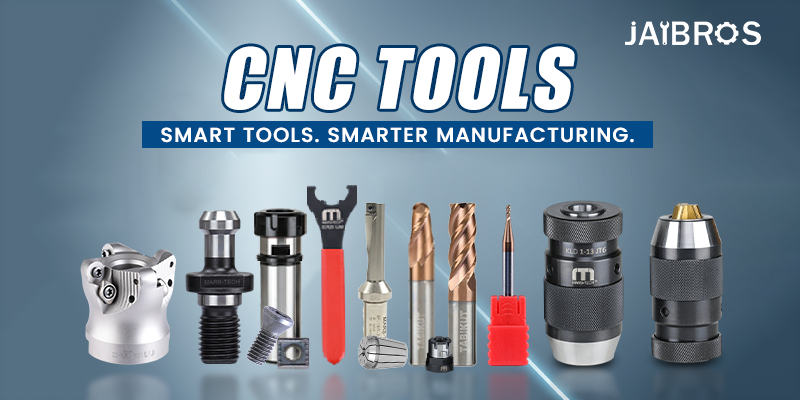
Learn the key signs your CNC tool needs replacement or regrinding. Improve CNC milling accuracy, reduce downtime, and protect machine tools.
Key Signs Your CNC Tool Needs Replacement or Regrinding
In precision machining, tool condition directly affects product quality, machine health, and overall production cost. For many workshops, especially small and medium-sized ones, ignoring early warning signs of wear can lead to scrap, downtime, and unnecessary expenses. Understanding when a CNC tool needs replacement or regrinding helps maintain accuracy and keeps operations running smoothly.
Why Tool Condition Matters in CNC Machining
CNC machining relies on consistency. Even a slight change in tool geometry can impact surface finish, dimensional accuracy, and cycle time. Worn tools also put extra load on CNC machine tools, increasing vibration and spindle stress.
Many workshops focus heavily on CNC machine price during setup but underestimate the long-term influence of tooling condition. A poorly maintained CNC tool can reduce machine efficiency regardless of how advanced or expensive the machine is.
Poor Surface Finish on Machined Parts
One of the earliest and most visible signs of tool wear is a decline in surface finish. If parts that were previously smooth now show roughness, tool marks, or tearing, the cutting edge may be dull.
This issue is especially noticeable during CNC milling operations, where sharp edges are critical for clean cuts. Continuing production with a worn CNC tool often leads to rejected parts and increased rework.
Increased Cutting Forces and Vibration
Excessive vibration or unusual machine noise is another clear warning sign. As tools wear, they require more force to cut the same material. This added load causes chatter, vibration, and stress on machine components.
Ignoring these symptoms can damage spindles and bearings in CNC machine tools. Replacing or regrinding a worn CNC tool at the right time protects both the machine and the workpiece.
Dimensional Inaccuracy and Tolerance Issues
When tools lose their edge or geometry, maintaining tight tolerances becomes difficult. Parts may come out oversized, undersized, or inconsistent across batches.
Dimensional issues often appear gradually, making them easy to overlook. However, consistent inspection helps identify when a CNC tool can no longer deliver the required accuracy and needs attention.
Visible Wear or Chipping on the Tool
Regular visual inspection is a simple yet effective practice. Signs such as chipped edges, cracks, or uneven wear indicate that the tool has reached the end of its effective life.
In some cases, regrinding can restore performance, especially for high-quality tools. However, severely damaged CNC tool should be replaced to avoid compromising job quality and machine safety.
Increase in Heat Generation
Excessive heat during machining is another indicator of tool wear. Dull cutting edges create more friction, leading to higher temperatures at the cutting zone.
In CNC milling, increased heat can cause material deformation, poor finishes, and reduced tool life. Monitoring temperature changes helps determine when a CNC tool requires regrinding or replacement.
Decline in Productivity and Cycle Time
If cycle times increase without changes in programming or material, tool wear may be the cause. Worn tools cut less efficiently, forcing operators to slow down feeds and speeds.
This gradual loss of productivity affects profitability, particularly for workshops operating on tight margins and managing costs beyond CNC machine price considerations.
Replacement vs Regrinding: Making the Right Choice
Not every worn tool needs replacement. Regrinding is often a cost-effective option for tools with minor wear and intact structure. However, repeated regrinding changes tool geometry, which may not suit precision jobs.
The decision depends on tool quality, job requirements, and production volume. A balanced approach ensures performance without unnecessary spending.
Importance of Preventive Tool Management
Waiting for complete tool failure is costly. Preventive monitoring, scheduled inspections, and performance tracking help identify issues early.
Good tool management improves consistency, reduces scrap, and extends the life of CNC tools across different machining operations.
Conclusion: Smart Tool Decisions for Reliable Machining
Recognizing the signs of tool wear is essential for maintaining machining quality and operational efficiency. Timely replacement or regrinding protects CNC machine tools, ensures consistent output, and controls long-term costs.
Jaibros supports workshops by providing reliable tooling solutions and expert guidance to help manufacturers make informed decisions. With quality products and practical support from Jaibros, workshops can achieve better performance, longer tool life, and sustainable growth in competitive machining environments.
Frequently Asked Questions (FAQs)
1. How often should CNC tools be inspected?
Tools should be inspected regularly, ideally after each production cycle or shift, depending on workload and material.
2. Can regrinding restore tool performance completely?
Regrinding can restore cutting ability, but geometry changes may limit performance for high-precision jobs.
3. Does tool wear affect CNC machine life?
Yes, worn tools increase vibration and load, which can damage machine components over time.
4. Is tool replacement always more expensive than regrinding?
Not always. Regrinding is cost-effective for minor wear, but replacement is better for heavily damaged tools.
5. How does CNC milling influence tool wear?
CNC milling involves continuous cutting, which makes sharp edges and proper maintenance essential for tool longevity.
الأقسام
إقرأ المزيد
Introduction A Modular Major Orthopedic OT Engineering Company specializes in designing, engineering, installing, and optimizing advanced orthopedic operation theatres using modular construction technology. These companies provide technical expertise and integrated healthcare infrastructure solutions to create sterile, efficient, and technologically advanced surgical environments for...

" According to the latest report published by Data Bridge Market Research, the Microwave Oven Market The microwave oven market is expected to witness market growth at a rate of 3.5% in the forecast period of 2021 to 2028. Data Bridge Market Research report on microwave oven market provides analysis and insights regarding the various factors expected to be prevalent throughout the...

Experience Morocco Like Never Before, honestly its not just another trip Morocco is a destination that mixes ancient history, energetic culture, jaw dropping scenery, and those rare, memorable adventures. From lively cities to golden deserts and tall, majestic mountains, every stretch feels slightly different. If you are looking for the best place to visit in Morocco , you will end up with a...
Plant-derived actives are steadily replacing synthetic alternatives across pharmaceuticals, personal care, and agriculture, and neem stands out as one of the most versatile botanicals driving this shift. The Neem Extracts Market is valued at US$ 2.09 billion in 2025 and is projected to climb to US$ 5.84 billion by 2034, expanding at a CAGR of 12.11% between 2026 and 2034. That trajectory...

"Executive Summary Drowning Treatment Market Trends: Share, Size, and Future Forecast The drowning treatment market is expected to witness market growth at a rate of 3.90% in the forecast period of 2022 to 2029. Data Bridge Market Research report on drowning treatment market provides analysis and insighKeeping into consideration the customer requirement, Drowning Treatment...