


Scrap to Sustainability: The Environmental Impact of Cash for Cars

Old and damaged cars are often seen as useless. Many people park them in garages, yards, or streets and forget about them. These vehicles still affect the environment, even when they do not move. Scrap cars contain metals, fluids, rubber, and plastics that can harm land and water if left unattended.
Turning scrap vehicles into reusable resources supports environmental care. Cash for cars services play a role in this system by moving unwanted vehicles into recycling instead of landfill. This article explains how scrap cars affect the environment and how proper disposal supports sustainability in Australia.
The Environmental Problem With Scrap Cars
Scrap cars often leak fluids over time. Engine oil, fuel, brake fluid, and coolant can seep into soil. These liquids may reach groundwater and nearby waterways. Polluted soil struggles to support plant life, and polluted water harms animals and ecosystems.
Rusting metal also becomes an issue. As the body breaks down, metal particles enter the ground. Tyres release rubber particles. Batteries contain chemicals that damage the environment if not handled correctly.
Leaving scrap cars unattended creates long-term environmental pressure.
What Happens When Scrap Cars Enter Recycling
When scrap cars are collected for recycling, they follow a clear process. First, all harmful fluids are drained and stored for safe treatment. Batteries, air systems, and other risky parts are removed.
Usable parts may be separated for reuse. These parts include engines, panels, wheels, and gearboxes. The remaining body is crushed and shredded. Metals are sorted using magnets and other tools.
Steel, aluminium, and copper are sent to recycling plants. These materials return to manufacturing instead of becoming waste.
Reducing Landfill Pressure
Landfill sites in Australia already face heavy use. Whole vehicles take up large amounts of space. When scrap cars are recycled, landfill demand drops.
Lower landfill use helps control methane release. Methane is a strong greenhouse gas. Cutting landfill waste supports climate goals and improves land management.
Energy Savings Through Metal Reuse
Producing metal from raw ore uses large amounts of energy. Mining, transport, and refining all release carbon dioxide. Recycling metal uses much less power.
Steel from scrap cars can be reused many times without losing strength. Aluminium recycling also saves significant energy. These savings lower emissions across manufacturing industries.
Lower Demand for Mining Activities
Mining causes land clearing and disrupts wildlife habitats. It also uses heavy machinery and chemicals. By reusing metal from scrap cars, the need for new mining drops.
Each recycled vehicle reduces pressure on natural resources. This helps protect land and reduces environmental damage over time.
Supporting a Circular Economy
A circular economy focuses on reuse rather than disposal. Scrap cars fit into this system well. Materials from old vehicles return to production cycles.
Steel may be used in construction. Aluminium may appear in new vehicles or tools. Copper wiring may return to electrical systems. This loop keeps resources active and limits waste.
Air Quality and Emission Control
Old vehicles often lack modern emission systems. Even when parked, they may release fumes through fuel evaporation. Removing these vehicles from streets supports cleaner air.
Recycling also reduces emissions linked with producing new materials. Lower production emissions help improve air quality across cities and regional areas.
A Logical Role Within the Recycling Chain
Within the recycling system, Cash for Cars Brisbane acts as a link between vehicle owners and recycling yards. Scrap vehicles are collected and moved into proper dismantling rather than being abandoned. This helps control pollution and increases material recovery. The process supports sustainability by making sure unwanted cars follow an environmentally responsible path.
Community Awareness and Responsible Disposal
Public awareness around waste management has grown. Many Australians now see scrap cars as environmental risks rather than harmless clutter. This change explains why searches such as Cash for Old Cars Brisbane have become common.
Selling scrap vehicles through proper channels supports cleaner neighbourhoods and responsible waste handling.
Protecting Soil and Water Systems
Oil leaks and metal residue from scrap cars damage soil quality. Rain spreads these pollutants into stormwater systems and rivers. Recycling stops this process before it begins.
Cleaner soil supports farming and plant growth. Cleaner water protects marine life and drinking water sources.
Following Environmental Rules in Australia
Australia has strict rules around vehicle disposal. These rules cover fluid handling, battery removal, and waste control. Licensed recycling yards follow these standards to limit environmental harm.
Using proper scrap car services supports these regulations and discourages illegal dumping.
Long-Term Environmental Impact
Climate and environmental damage build over time through repeated actions. Scrap car recycling reduces emissions, landfill use, and resource extraction. Each vehicle recycled supports long-term sustainability goals.
Small actions across many households create measurable environmental improvement.
Conclusion
Scrap cars are more than unwanted metal. They are sources of pollution if ignored and sources of resources if recycled. Cash for cars systems help move vehicles from waste to reuse.
Through metal recovery, emission reduction, and land protection, scrap car recycling supports sustainability in Australia. Turning scrap into resources helps protect the environment for future generations.
Категории
Больше
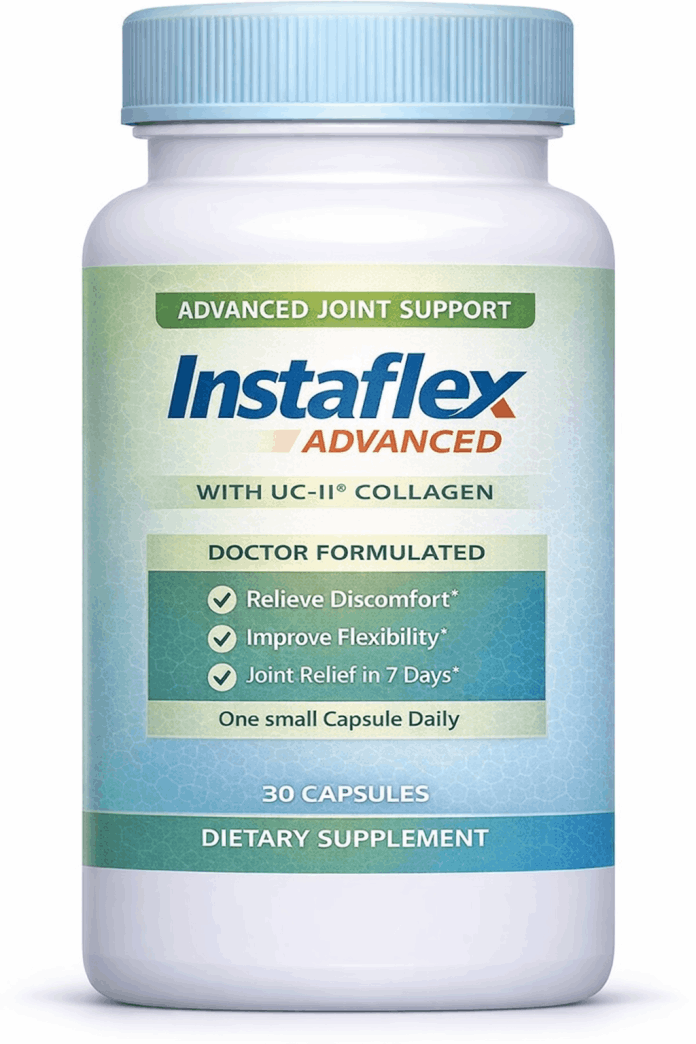
Joint discomfort is one of the most common wellness concerns among adults. As people age or engage in physically demanding activities, they may begin experiencing stiffness, reduced flexibility, and occasional discomfort in their knees, hips, shoulders, and other joints. These issues can affect everyday activities such as walking, exercising, climbing stairs, and even simple household tasks....
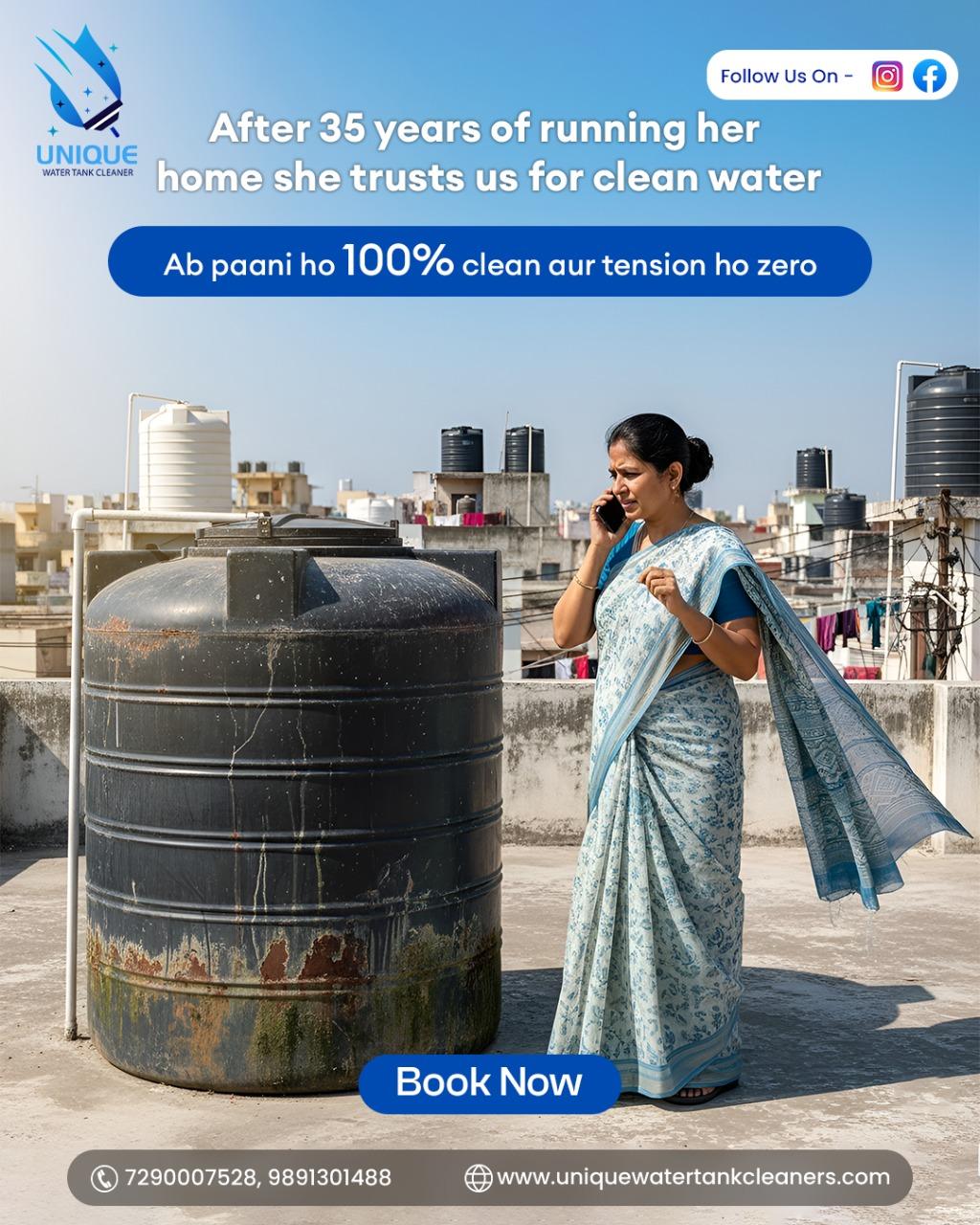
Clean water is essential for every household and commercial space. Yet, many property owners overlook one critical factor that directly impacts water quality, the condition of their water tank. Over time, underground and overhead tanks accumulate dirt, sludge, algae, bacteria, and even harmful contaminants. That’s why hiring a professional Water Tank Cleaning Service in Faridabad is not...
A new growth forecast report titled Network Function Virtualization Market Size, Share, Trends, Industry Analysis Report: By Component (Solutions, Orchestration and Automation, and Services), Virtualized Network Function, Enterprise Size, Application, End Users, and Region (North America, Europe, Asia Pacific, Latin America, and Middle East and Africa) – Market Forecast,...

Weight management has become one of the biggest health challenges for people around the world. Busy schedules, unhealthy eating habits, lack of physical activity, stress, and slow metabolism often make it difficult to lose weight naturally. Many people struggle with stubborn fat, constant cravings, low energy levels, bloating, poor digestion, and difficulty maintaining healthy routines....

"Executive Summary Eosinophilic Esophagitis (EoE) Market Research: Share and Size Intelligence Data Bridge Market Research analyses that the eosinophilic esophagitis market which was USD 138.4 million in 2021, would rocket up to USD 1379.68% million by 2029, and is expected to undergo a CAGR of 33.3% during the forecast period of 2022 to 2029. The large scale Eosinophilic Esophagitis...