Inside a Car Salvage Yard: The Journey from Wreck to Rebirth
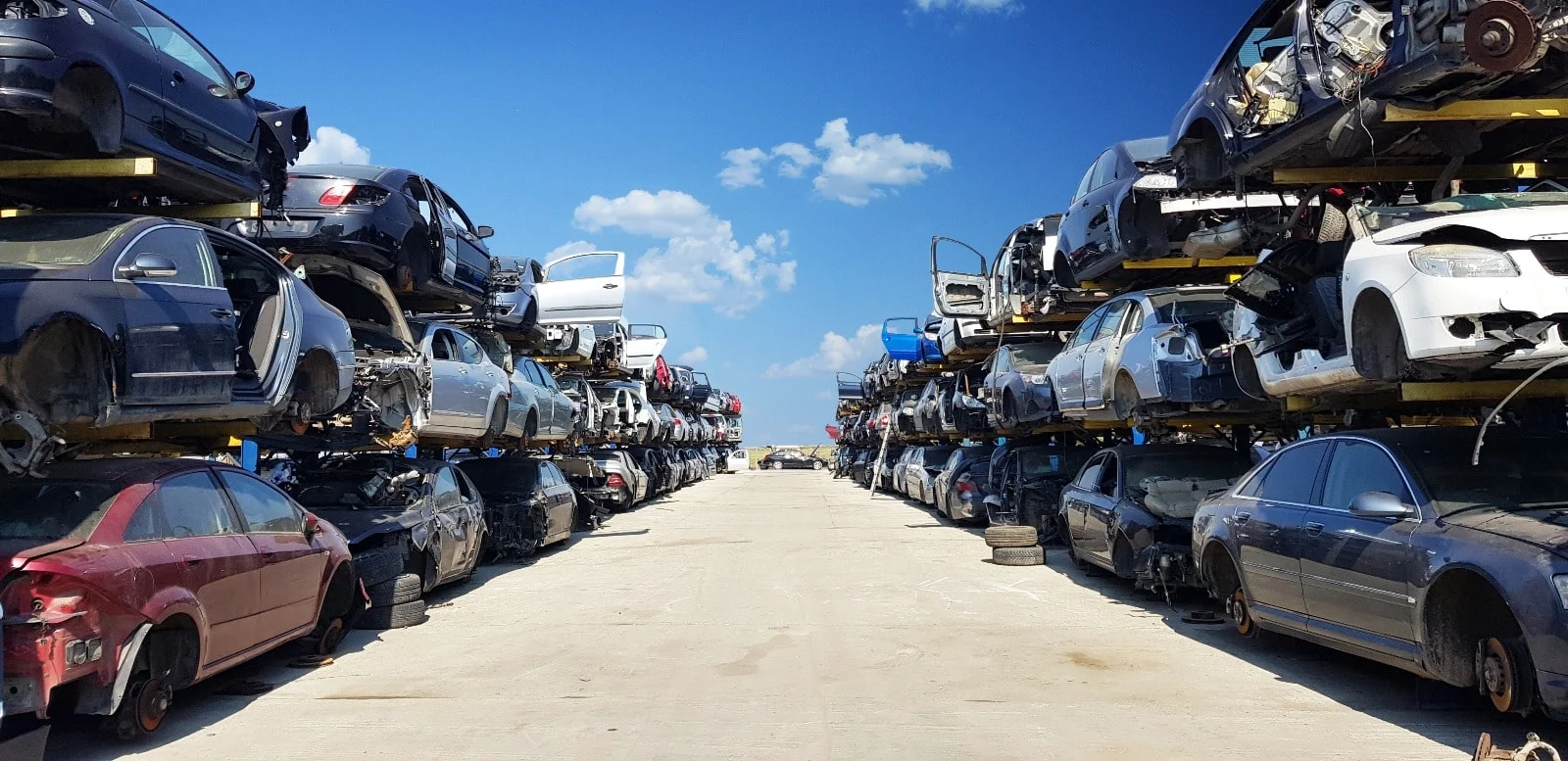
A car salvage yard is often seen as the final stop for damaged or unwanted vehicles. Rows of bent panels, broken lights, and silent engines fill the space. Yet behind this rough surface sits a well-ordered process. Each vehicle that enters a salvage yard follows a clear path. That path turns wrecks into reused parts and recycled materials.
In Australia, salvage yards play a steady role in vehicle life cycles. They reduce waste, support repairs, and keep materials moving. This article takes a close look inside a car salvage yard and explains how rebirth begins after the road ends.
How Vehicles Arrive at a Salvage Yard
Cars reach salvage yards for many reasons. Some are written off after accidents. Others fail road inspections or sit unused for years. Flood damage, engine failure, and rust also send vehicles to these yards.
Once collected, each vehicle is logged. Basic details such as make, model, year, and condition are recorded. This step helps yards decide what parts may still serve a purpose.
First Inspection and Safety Steps
Before any work begins, staff carry out safety checks. Fluids such as fuel, oil, brake liquid, and coolant are drained. This step prevents leaks and protects soil and water.
Batteries are removed due to chemical risk. Airbags are handled with care, as they still hold charge. These early steps prepare the vehicle for further handling and reduce risk on site.
Sorting Vehicles by Condition
Not every car faces the same fate. Some vehicles are set aside for parts removal. Others are marked for full dismantling. Condition plays a major role here.
A vehicle with an intact engine or gearbox may offer many reusable parts. Cars with heavy structural damage may still supply panels, mirrors, wheels, or interior pieces. Even when parts appear worn, demand can exist for older models.
The Dismantling Process
Dismantling follows a set order. Parts with higher demand are removed first. Engines, gearboxes, alternators, and starters are lifted out. Doors, bonnets, bumpers, and lights follow.
Each part is checked, cleaned, and stored. Labels help track compatibility with other vehicles. This process allows mechanics and restorers to source parts that are no longer made.
Storage and Inventory Control
Removed parts are stored in sections based on type and vehicle group. Indoor storage protects sensitive items such as electronics and interiors. Outdoor racks hold larger metal pieces.
Inventory systems track what is available. This helps match parts with requests. In Australia, demand often comes from regional areas where new parts take longer to reach.
Metal Recovery and Crushing
Once useful parts are removed, the remaining shell moves to metal recovery. Steel makes up most of a car’s body. Aluminium appears in engines and panels. Copper is found in wiring.
The shell is crushed to reduce space. Crushed metal is sent to recycling plants, where it is melted and reused. Recycling metal uses far less energy than producing new steel from raw ore.
Environmental Care Inside the Yard
Salvage yards operate under rules that protect the environment. Fluid storage, waste handling, and metal sorting follow set standards. These rules aim to stop pollution and protect nearby land.
Tyres are sent for reuse or processing. Plastics are sorted by type. Glass is handled separately. This care ensures that as much material as possible returns to use.
The Role of Salvage Yards in Repairs
Many vehicles on Australian roads rely on salvage yard parts. Older cars often need items that are no longer produced. Salvage yards keep these vehicles running.
This role supports road safety as well. A working door, mirror, or light helps keep a car compliant. Salvage yards help owners maintain vehicles without discarding them too early.
Economic Impact on Local Areas
Salvage yards provide jobs in dismantling, transport, sorting, and sales. They support related trades such as towing and metal processing. In regional areas, this work supports local income.
Search interest in terms like Cash for Junk Cars Darwin shows how people link unused vehicles with payment rather than storage. Salvage yards sit at the centre of this link.
Linking Vehicle Removal with Salvage Yards
Vehicle removal services help move cars from homes and worksites to salvage yards. This link keeps yards supplied and reduces clutter in communities.
One service that fits into this process is PS Car Removal. By collecting unwanted vehicles and delivering them to salvage yards, this service supports the same journey described throughout this article. Vehicles move from disuse to dismantling, then into parts and recycled metal. This flow keeps the system active and supports reuse across the region.
Rebirth Through Reuse
Rebirth does not mean a car returns as it was. It means parts live on in other vehicles. A gearbox may power another car. A door may replace one damaged in a crash. Metal may form part of a new structure.
This cycle extends the life of materials. It also keeps history moving. Older vehicles remain present on roads through shared parts.
Future Changes in Salvage Yards
Vehicle design continues to change. Electric vehicles introduce new materials and systems. Salvage yards adapt by learning how to handle batteries and electronics.
Despite these changes, the core process stays the same. Vehicles arrive, parts are recovered, materials are recycled. The journey from wreck to rebirth continues.
Final Thoughts
A car salvage yard is not a place of endings. It is a place of transition. Each wreck enters with one story and leaves as many parts of others.
In Australia, salvage yards support repair culture, material reuse, and local work. They show how careful handling can turn damage into purpose. From first inspection to final metal recovery, rebirth begins where the road stops.
Catégories
Lire la suite
Google has rolled out a new API intended to make OpenID logins far easier to use, based on usability research aimed at cleaning up a confusing experience for many users. Sites that accept OpenID can now let people sign in with their Google account instead of creating a separate username and password. In practice, a visitor who enters a gmail address on a participating site is briefly redirected...

Here’s the thing. When a sportsbook brand expands into casino gaming, expectations are high. DraftKings Casino steps into that space with a platform built around clarity, speed, and accessibility. The casino section is organized in a way that feels intuitive from the start. Slots, table games, and live dealer options are grouped clearly, making it easy to browse without feeling...

"Executive Summary Asset Reliability Management Market Size and Share: Global Industry Snapshot CAGR Value The global asset reliability management market size was valued at USD 16.50 billion in 2024 and is expected to reach USD 35.63 billion by 2032, at a CAGR of 10.10% during the forecast period The Asset Reliability Management report is an ultimate...

"3d Printed Jewelry Market Summary According to the latest report published by Data Bridge Market Research, the 3d Printed Jewelry Market The global 3D printed jewelry market size was valued at USD 10.64 billion in 2024 and is expected to reach USD 29.32 billion by 2032, at a CAGR of 13.50% during the forecast period For structuring the finest market...

The latest patch update for Path of Exile 2, version 0.1.1, introduces a variety of quality-of-life improvements and balancing adjustments aimed at enhancing player experience. During a recent livestream, Grinding Gear Games (GGG) showcased upcoming features and answered community questions, highlighting several key changes. One significant change is the increased density of monsters across...