


What Really Happens to Your Old Car After You Sell It
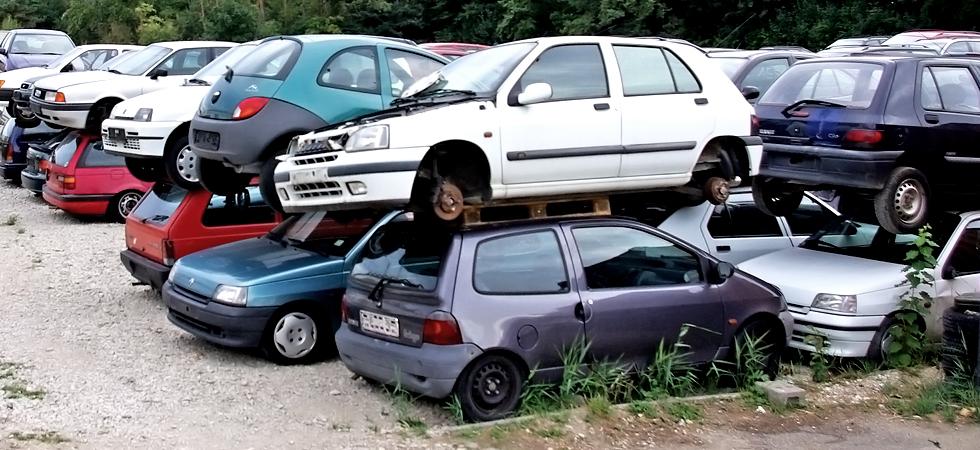
Many car owners wonder what becomes of their vehicle once it is sold. Some think it is simply crushed or thrown away. This is not correct. In reality, cars undergo a detailed process that recovers usable parts, recycles materials, and ensures the vehicle is disposed of in an environmentally responsible way. Understanding this process can help car owners make informed choices and appreciate the role of recycling in the automotive industry.
Initial Assessment of the Vehicle
The first step after a car is sold is assessment. Buyers or salvage yards check the make, model, age, and condition of the vehicle. Important components like the engine, transmission, and catalytic converter are examined to determine whether they can be reused or sold. Even a car that does not run can have significant value through parts and metals.
Weight and material type also influence the vehicle’s worth. Cars with higher steel or aluminium content are often more valuable for recycling. Catalytic converters, which contain metals such as platinum and palladium, add further value. This initial assessment ensures that the car is handled in a way that maximises its potential return.
Dismantling and Part Recovery
Once the assessment is complete, the car is dismantled. Workers carefully remove parts that can be reused. These include engines, gearboxes, mirrors, doors, seats, and electronics. Each part is cleaned, tested, and stored for resale to mechanics, repair shops, or other buyers.
This stage supports sustainability by reducing the demand for newly manufactured parts. It also helps drivers who need replacement parts at lower costs. In many cases, parts from older vehicles keep other cars running, extending their lifespan and reducing waste.
Recycling Metals and Other Materials
After usable parts are removed, the remaining car shell moves to metal recycling. The vehicle is crushed and shredded to separate steel, aluminium, copper, and other metals. Sorting machines and magnets help separate materials for further processing.
Australia enforces strict recycling and environmental rules. Fluids such as oil, coolant, and brake fluid must be drained carefully. Batteries are removed and sent to dedicated facilities. Proper handling prevents soil and water contamination and ensures that valuable resources are returned to production chains.
Legal and Regulatory Requirements
Salvage yards and car buyers must follow legal procedures. Proof of ownership is required to prevent stolen vehicles from entering the recycling system. Vehicle identification numbers are checked against official records, and registration cancellation processes may be submitted to local authorities.
These rules provide transparency and protect both car owners and the environment. Compliance ensures that vehicles are recycled responsibly, and hazardous materials are managed safely.
How Vehicles Are Transported
Transporting vehicles to salvage yards is an essential step. Many old cars cannot be driven and need towing. Car Removal Melbourne services provide this transportation safely. These services ensure that vehicles reach processing facilities without causing damage or environmental harm. Combining car removal with recycling and part recovery makes the entire process efficient and reliable.
Example of Efficient Vehicle Recycling
In Melbourne, many car owners benefit from services that connect them to buyers who manage the full process. One such service is Melbourne Cash for Carz. This service evaluates vehicles, arranges removal, and ensures that parts and metals are recovered. For owners, it provides a practical method to sell old cars, while ensuring the vehicle is used responsibly rather than ending up as waste. This approach shows how local services integrate removal, assessment, and recycling in a logical and sustainable manner.
Industry Trends and Environmental Impact
The recycling and salvage industry continues to grow in Australia. Urban areas see thousands of vehicles reaching the end of their life each year. Electric and hybrid vehicles introduce new recycling challenges, particularly with lithium-ion batteries that require specialised handling.
Government targets for recycling and waste reduction support the industry. By keeping metals and materials in circulation, the system reduces landfill use and the need for new resource extraction. Salvage yards therefore play an important role in environmental sustainability and the circular economy.
Common Misunderstandings
Many people assume that old cars are worthless if they do not run. This is not true. Even vehicles that cannot drive have parts and materials that can be reused or recycled. Some owners worry about complex paperwork or hidden costs. In reality, clear procedures and legal compliance protect sellers and simplify the process.
Conclusion
Selling an old car is more than just handing it over to another person. Each vehicle goes through assessment, part removal, metal recycling, and proper disposal. This process not only recovers value from the car but also supports sustainability and resource management. Services that integrate car removal and recycling make this process easier for owners while keeping vehicles and materials in use. Understanding this system shows that even old or non-running cars can have a meaningful role long after their last journey on the road.
Κατηγορίες
Διαβάζω περισσότερα
Sell FIFA World Cup Tickets: FIFA has confirm that discussions are ongoing regarding broadcast rights for the FIFA World Cup 2026 in China, but no deal has yet been finalized. The talks have drawn attention amid concerns over rising media rights costs and uncertainty about pricing. China’s main broadcaster, CCTV, traditionally secures rights early, making the delay unusual. FIFA...
"Key Drivers Impacting Executive Summary Asia-Pacific Hyaluronic Acid Market Size and Share The Asia-Pacific hyaluronic acid market size was valued at USD 1.69 billion in 2024 and is expected to reach USD 2.97 billion by 2032, at a CAGR of 7.3% during the forecast period The Asia-Pacific Hyaluronic Acid Market report contains market insights and analysis...

Diamond-Blackfan Anemia Treatment Market : According to the latest report published by Data Bridge Market Research, the Diamond-Blackfan Anemia Treatment Market The global diamond-blackfan anemia treatment market size was valued at USD 5.20 billion in 2025 and is expected to reach USD 7.11 billion by 2033, at a CAGR of 4.00% during the forecast...
NEW 88 hiện là một trong những nhà cái trực tuyến uy tín và hàng đầu tại khu vực. Được cấp phép hoạt động hợp pháp bởi Isle of Man và đặc khu kinh tế Tam Giác Vàng Cagayan & Freeport, NEW88 đã khẳng định vị thế minh bạch, đáng tin cậy trên thị trường...
" Nootropics Market Summary: According to the latest report published by Data Bridge Market Research, the Nootropics Market The global nootropics market size was valued at USD 16.07 billion in 2024 and is expected to reach USD 45.37 billion by 2032, at a CAGR of 13.85% during the forecast period Nootropics Market analysis report has studied key...