From Wreckage to Riches: Stories of Cars That Got a Second Life
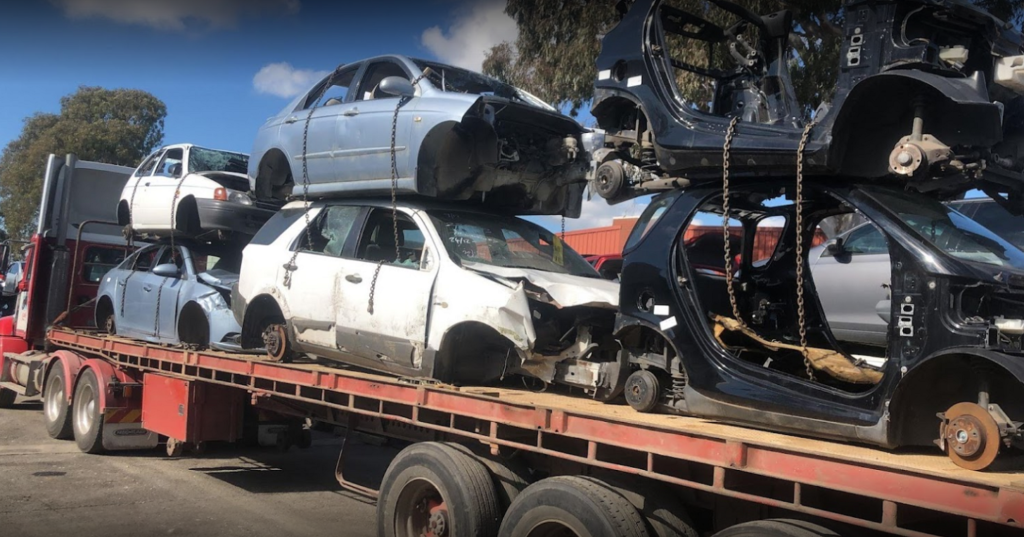
Many vehicles reach a point where they are no longer drivable. Some are damaged in accidents, others have mechanical failures, and many simply become too old to maintain. At first glance, these cars appear to be worthless. The truth is that most of them still hold significant value. Through cash for cars services and salvage processes, vehicles are dismantled, recycled, and repurposed. This journey turns old cars from wreckage into resources, giving them a second life.
The Process of Giving Cars a Second Life
The journey begins when a car is sold to a salvage yard or cash for cars service. The vehicle is assessed to determine what parts and materials can be recovered. Components such as engines, transmissions, doors, mirrors, and electronic units are checked for usability. Even if the car does not run, many parts are still functional and can be resold.
Metal recovery is a major part of this process. Cars contain steel, aluminium, copper, and plastics that can be recycled. According to environmental reports in Australia, more than ninety percent of a vehicle’s material can be reused if handled properly. This recycling reduces the need for raw mining and helps minimise waste in landfills.
Assessing the Vehicle’s Worth
Before dismantling, the vehicle undergoes a thorough evaluation. Staff inspect the make, model, year, and condition. Key components such as engines, gearboxes, and catalytic converters are assessed for value. Catalytic converters are especially important because they contain precious metals like platinum and palladium, which can be recovered and sold.
The weight of the vehicle is also considered. Heavier cars usually contain more steel and aluminium, increasing the potential recycling value. Even vehicles that are rusted or non-running retain significant worth through parts and metal content.
Dismantling and Reusing Parts
After assessment, the dismantling stage begins. Workers carefully remove usable components. Commonly recovered parts include engines, gearboxes, doors, mirrors, seats, and electronics. Each part is cleaned and tested before being stored for resale.
This process helps car owners looking for replacement parts at a lower cost. Using salvaged components reduces the demand for new manufacturing, saving energy and resources. In many cases, parts from older vehicles extend the lifespan of other cars on the road.
Recycling Metals and Other Materials
After all reusable parts are removed, the remaining car shell is sent for metal recovery. Vehicles are crushed and shredded to separate steel, aluminium, copper, and other materials. Plastics are also sorted and repurposed for other uses.
Australia has strict rules to ensure environmental safety during this stage. Fluids such as oil, brake fluid, and coolant must be drained carefully. Batteries are sent to dedicated recycling centres. These measures prevent soil and water contamination and make sure materials are processed responsibly.
Legal Requirements for Vehicle Disposal
Salvage operators must follow legal procedures to maintain safety and accountability. Proof of ownership is required to prevent stolen vehicles from entering the system. Vehicle identification numbers are checked, and registration may need to be cancelled with local authorities.
Following these rules protects both the car owner and the environment. Improper disposal of vehicles or fluids can lead to legal penalties or environmental harm.
Vehicle Transport and Old Car Removal
Many vehicles cannot be driven and need to be transported safely to processing facilities. Old Car Removal Townsville services handle this task efficiently. They ensure that cars are delivered to salvage yards or recycling centres without causing damage or environmental risk. Combining removal with part recovery and recycling creates a smooth process for both the owner and the recycling facility.
Example of a Local Service
In Townsville, car owners benefit from services that manage the full cycle of vehicle disposal. One such service is North Coast Wreckers. This service evaluates vehicles, handles transportation, and ensures parts and metals are recovered efficiently. By connecting car owners with reliable removal and recycling solutions, it gives old vehicles a practical and responsible second life.
Industry Growth and Sustainability
The cash for cars and vehicle recycling industry is expanding across Australia. Urban areas see thousands of vehicles reaching the end of their life every year. Electric and hybrid cars add complexity to recycling, particularly due to lithium-ion batteries that require careful handling.
Government policies encourage recycling and reduce landfill waste. Salvage yards and cash for cars services help meet these goals by keeping metals and parts in circulation, reducing the environmental impact of old vehicles.
Common Misunderstandings About Old Cars
Many car owners assume that vehicles that do not run have no value. This is not true. Even non-running cars contain parts and metals that can be reused or recycled. Some owners believe that selling an old car involves complicated paperwork or hidden fees. In reality, regulated processes make transactions straightforward and safe.
Conclusion
The journey of a car after it is sold is more than disposal. Through assessment, part recovery, metal recycling, and legal compliance, old vehicles are transformed into useful resources. Services that combine vehicle removal and recycling make the process simple for owners while supporting environmental goals. From wreckage to renewed components and recycled materials, cars that might appear worthless can contribute to a second life and continue to serve a purpose beyond their time on the road.
Categories
Read More
In early childhood, curiosity is more than a personality trait; it’s a foundational driver of learning, confidence, and independence. From exploring new environments to trying unfamiliar foods, children constantly make small decisions that shape how they understand the world. Books that reflect these everyday experiences can play a powerful role in guiding young minds. One such example...

When someone decides to learn astrology, one of the first thoughts that comes to mind is — Should I join a government astrology institute in India? It feels like the safest option, right? Government-backed education often gives a sense of trust, authenticity, and credibility. But is it really the best choice for everyone? Let’s understand this step by step. Yes, India does...

Introduction: The Growing Importance of Creative Event Management In the UAE, corporate and social events have become more than mere gatherings—they are strategic platforms to showcase brands, foster relationships, and leave lasting impressions. From product launches and conferences to gala dinners and cultural celebrations, every event is an opportunity to engage audiences and strengthen...
"Latest Insights on Executive Summary Europe Pharmacy Automation Market Share and Size CAGR Value The Europe pharmacy automation market is supportive and aims to reduce medication dispensing errors and improve patient safety. Data Bridge Market Research analyzes that the Europe pharmacy automation market will grow at a CAGR of 9.6% during the forecast period of 2023 to 2030. This...
A JAFZA professional setup is a popular choice for entrepreneurs and service-based professionals who want to establish a strong presence in the UAE. The Jebel Ali Free Zone Authority is known for its structured business environment, international connectivity, and investor-friendly rules. It supports a wide range of professional activities such as consulting, IT services, marketing, and...