How to Choose the Right Wedding Tent for Your Venue
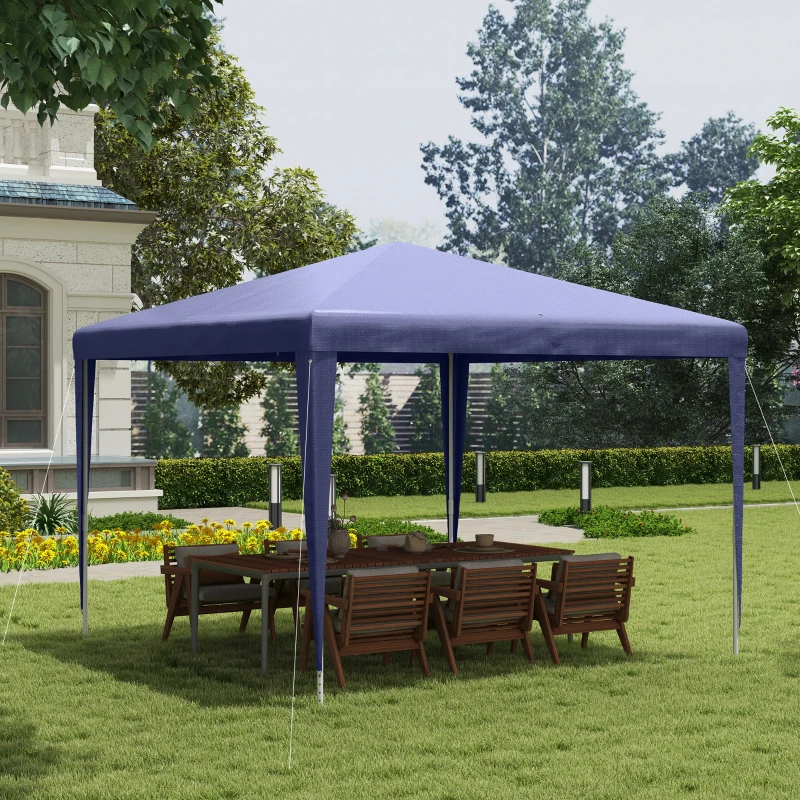
Choosing a wedding tent is a planning decision that directly affects layout, comfort, logistics, and overall event flow. The right choice depends on the venue conditions, guest count, setup rules, and functional needs rather than aesthetics alone. The sections below focus only on practical selection factors to help narrow down the best option.
Assess the Venue Surface and Boundaries
Start by evaluating where the tent will be installed and what limitations exist.
-
Surface type: Grass allows staking, while concrete, stone, or decking often requires weighted anchoring systems.
-
Space shape: Rectangular, narrow, or irregular spaces affect tent orientation and usable interior area.
-
Obstacles: Trees, slopes, drainage grates, fences, or nearby structures may restrict tent placement.
-
Clearances: Leave room for service access, guest entry points, and safety exits.
Understanding these conditions immediately rules out unsuitable tent structures.
Select a Tent Structure Based on Function
Tent structure should be chosen based on layout flexibility and interior usability.
-
Pole-style tents: Suitable for open grassy areas but include centre poles that impact floor planning.
-
Clear-span tents: Provide unobstructed interiors, making them suitable for larger guest counts or complex layouts.
-
Sailcloth-style tents: Work well for lighter décor concepts and venues with visual surroundings to highlight.
-
Clear-roof tents: Allow visibility of surroundings and lighting features but require careful temperature planning.
The structure should support your intended layout without forcing compromises.
Determine Size Using Layout Requirements
Tent size should be calculated using layout needs, not just guest numbers.
Account for:
-
Dining table spacing
-
Dance floor dimensions
-
Bar and catering zones
-
Stage or entertainment areas
-
Circulation paths for guests and staff
Allowing additional space improves movement and reduces congestion, especially during peak moments of the event.
Plan for Weather Variables
Weather considerations should be addressed during selection, not after booking.
-
Sidewalls: Needed for wind or rain exposure; clear walls preserve visibility while offering protection.
-
Climate control: Fans or heaters may be required depending on season and time of day.
-
Structural stability: Open or elevated locations may need reinforced frames or added ballast weight.
Choosing a tent that supports weather add-ons avoids last-minute adjustments.
Choose Flooring as Part of the Tent Decision
Flooring requirements influence both tent compatibility and interior planning.
-
Hard flooring: Necessary for dining, dancing, and uneven ground.
-
Subfloor systems: Prevent instability on sloped or soft surfaces.
-
Level transitions: Important where guests move between indoor and tented areas.
Flooring should be considered alongside the tent, not as a separate add-on.
Align Tent Choice With Lighting Needs
Lighting affects tent selection more than many planners expect.
-
Some structures support hanging fixtures better than others.
-
Ceiling height influences chandelier or pendant placement.
-
Wall material affects how uplighting reflects within the space.
Confirm that the tent structure supports your lighting plan without structural limitations.
Coordinate Layout Compatibility Midway
Once the tent type and size are defined, confirm that your planned layout works realistically within the structure. Seating arrangements, service zones, and circulation paths should fit naturally without blocking access or sightlines.
At this point, coordinating with suppliers experienced in wedding tents helps ensure the selected structure supports power access, lighting loads, and timing requirements without redesigns later.
Review Venue Rules and Installation Timing
Venue-specific rules can affect which tents are permitted.
-
Setup duration: Some venues restrict installation to same-day only.
-
Anchoring limits: Certain locations prohibit ground penetration.
-
Permit requirements: Temporary structures may require approval or inspection.
These factors can eliminate certain tent types regardless of preference.
Balance Budget With Structural Priorities
When comparing costs, prioritise function over decoration.
-
Allocate budget to weather protection and stability first.
-
Choose lighting and flooring upgrades strategically.
-
Reduce décor spending if the tent design already provides visual impact.
A structurally appropriate tent reduces the need for corrective add-ons later.
Choosing a wedding tent is a process of matching structure, size, and features to venue conditions and event requirements. When surface type, layout needs, weather planning, and venue rules are addressed early, the tent becomes a reliable framework rather than a planning challenge.
Категории
Больше
My expectations for a thrilling digital cloak-and-dagger experience were quickly tempered by a quiet, persistent sense of security. It’s not about dodging laser grids or outsmarting firewalls in real-time. The true value lies in its silent, background operation. For an entire day, I routed all my devices through a VPN. The grand revelation wasn’t a dramatic confrontation with data...

In the evolving world of grooming and personal style, fragrance remains the most powerful, invisible accessory a man can wear. As we move through 2026, the olfactory landscape is more exciting than ever, blending futuristic synthetics with deep, resonant natural ingredients. Whether you are a seasoned collector or searching for your first signature scent, finding the perfect perfume for...

A patient-centered approach is essential when it comes to managing acute and chronic pain effectively. A modern Pain Clinic in Scranton focuses on understanding each patient’s unique condition, medical history, and lifestyle to deliver care that goes beyond temporary relief. The goal is to improve function, mobility, and overall quality of life through personalized treatment plans. Pain...
Недавний крупный патч для PlayerUnknown's Battlegrounds выявил неожиданный и довольно забавный баг, связанный с невозможностью умирать после боя. Проблема возникает при попытке возрождения персонажа в критической ситуации: если игрок уже почти на грани смерти и его товарищ по команде пытается его воскресить, то в момент, когда процесс восстановления завершается, в него выстреливают. В...

Experiencing a broken car key can be incredibly frustrating, especially when you’re in a rush or stranded far from home. Whether your key is stuck in the ignition, has snapped in two, or the transponder fob is malfunctioning, it’s a situation that can quickly derail your day. Additionally, if you find yourself in an unfamiliar area or city, locating the right help for your car...