


Managing Your Expectations: Realistic Results for Breast Surgery
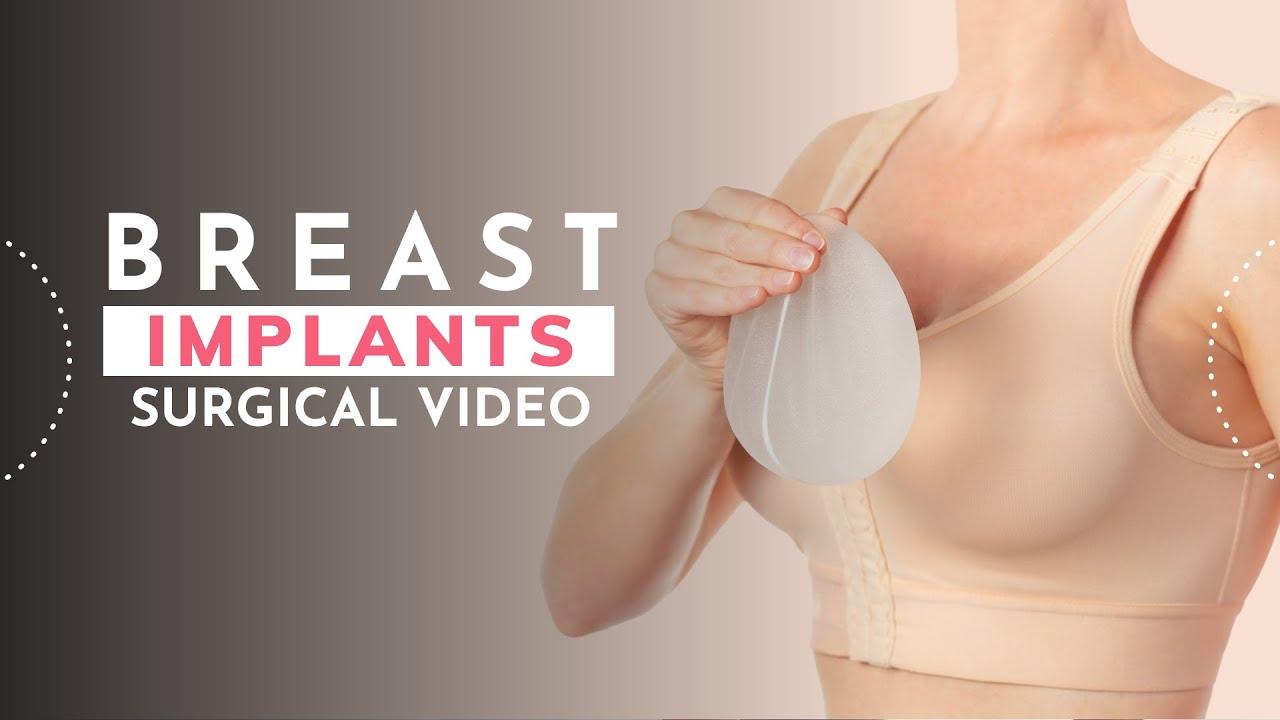
Managing Your Expectations: Realistic Results for Breast Surgery
The journey toward aesthetic enhancement is often fueled by a vision of a more confident self. When considering Breast implants in Riyadh(زراعة الثدي في الرياض), it is essential to ground that vision in medical reality to ensure long-term satisfaction. Modern plastic surgery in the Kingdom has reached extraordinary heights of precision, utilizing 3D simulations and advanced cohesive gels to deliver beautiful outcomes. However, the most successful patients are those who view surgery not as a "magic wand" but as a sophisticated tool for enhancement. Managing your expectations involves understanding that while a surgeon can change your volume and shape, they are working with the unique "canvas" of your existing anatomy.
The "Canvas" of Your Natural Anatomy
The single most important factor in your final result is your starting point. Every woman’s body possesses unique characteristics that dictate the surgical possibilities.
-
Chest Wall Structure: The width of your ribcage and the distance between your breastbones determine how close your cleavage can be. If you have a naturally wide-set frame, implants will follow that anatomy. While they increase fullness, they cannot fundamentally move the origin point of your breast tissue.
-
Skin Elasticity: Think of your skin as the "envelope" for the implant. If you have thin skin or have experienced significant stretching from pregnancy, the skin may not provide as much "lift" or support. In these cases, a surgeon in Riyadh may suggest a combined breast lift to ensure the implant doesn't sit too low.
-
Pre-existing Asymmetry: No two breasts are perfectly identical. While surgery can significantly improve symmetry by using different-sized implants for each side, achieving 100% mathematical perfection is nearly impossible in biological tissue. The goal is "harmony," not a carbon copy.
Understanding the Limitations: What Implants Cannot Do
It is a common misconception that implants alone can solve all aesthetic concerns.
-
They Do Not Stop Aging: Breast surgery resets the clock, but it doesn't stop it. Over time, gravity, aging, and weight fluctuations will continue to affect your breast tissue.
-
They Cannot "Lift" Severe Sagging: If the nipple has fallen below the breast crease (a condition called ptosis), adding an implant without a lift may actually make the sagging look worse due to the added weight.
-
The "Drop and Fluff" Period: Patients often expect to wake up with perfect results. In reality, the breasts initially appear high, tight, and sometimes boxy. It takes 3 to 6 months for the implants to "settle" into the lower pocket and for the tissue to soften into a natural shape.
The Role of Technology in Setting Goals
In the high-tech medical environment of Riyadh, surgeons often use 3D imaging software (like Crisalix or Vectra) during the consultation. This technology allows you to see a virtual representation of yourself with different implant sizes.
Note on Imaging: While 3D simulations are an incredible tool for communication, they are still "best-fit" predictions. They help you choose a size range, but the way your specific skin drapes over a physical implant may vary slightly from a digital render.
Defining "Natural-Looking" Results
In 2026, the trend in Riyadh is moving away from the "over-augmented" look in favor of a balanced, athletic silhouette. A realistic "natural" result typically means:
-
A gradual slope at the top of the breast (the upper pole).
-
Movement that mimics natural tissue when walking or lying down.
-
Incision scars that fade into thin, silvery lines over 12 to 18 months.
If a patient with a very narrow frame requests extremely large implants, a responsible surgeon will explain the risks of "palpability" (being able to feel the edges of the implant) or "rippling," where the folds of the implant become visible through the skin. Choosing a size that respects your soft-tissue coverage is the key to a result that looks like it belongs to your body.
Psychological Readiness and the "Post-Op Blues"
Managing expectations also involves your emotional health. It is surprisingly common to experience a brief period of "buyer's remorse" or the "post-op blues" in the first two weeks. This is usually due to the combination of anesthesia recovery, physical discomfort, and the initial distorted appearance caused by swelling.
Understanding that your "final" look won't be visible for several months helps you navigate this period with patience. The most satisfied patients are those who enter the process with a positive mindset, a clear understanding of the recovery timeline, and a focus on self-improvement rather than perfection.
Maintenance and the Long-Term View
Finally, a realistic expectation includes the understanding that breast augmentation is a long-term commitment. Implants are durable, but they are medical devices that may eventually require a "tune-up" or revision. Whether it's to address changes after future pregnancies or simply to update the size as your style evolves, viewing the procedure as a journey rather than a one-time event ensures you remain happy with your silhouette for decades to come.
Final Thoughts
Success in breast surgery is found at the intersection of your surgeon's skill and your own informed expectations. By focusing on how the enhancement will complement your lifestyle and frame, rather than trying to replicate a specific image from social media, you can achieve a result that feels authentically you.
Categorieën
Read More
Dental Aligner in Pune | Clear, Comfortable & Effective Teeth Alignment Are you looking for a professional dental aligner service in Pune? You have come to the right place. At our dental clinic, we offer advanced dental aligners that help you correct tooth alignment issues with comfort and precision. Whether you are considering your first aligner treatment or comparing options,...

A new growth forecast report titled Fruit and Vegetable Wash Market Share, Size, Trends, Industry Analysis Report, By Product (Liquid & Sprays, Powder, Others), By Type (Synthetic, Natural), By Distribution Channel, By End-use, By Region, And Segment Forecasts, 2024 - 2032 introduced by Polaris Market Research represents conclusive data on the overall market. It majorly targets to...
A bathroom isn’t just a functional room—it’s a powerful selling point. In today’s UK property market, buyers are increasingly discerning, and an outdated bathroom can drag on your asking price, while a well-executed refurbishment can significantly improve your market value. Here’s a breakdown of how and why. Refurbishing an Existing Bathroom: A Smart...

In modern packaging environments, the role of the Cap Compression Machine continues to expand as manufacturers seek smoother workflows, cleaner production conditions, and greater adaptability across different closure styles. Within this evolving field, Capping-Machine has attracted attention for its practical engineering concepts and its focus on reliable daily operation. Rather than...

https://justpaste.it/gvcft