


Why Do Office Workers Develop Neck and Shoulder Pain So Often?
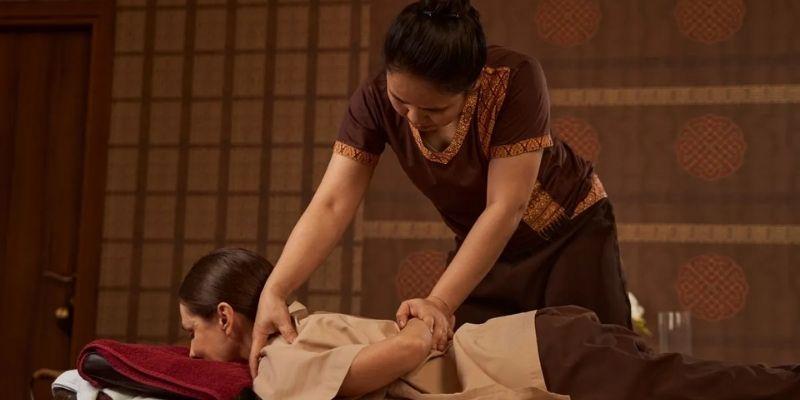
Many office workers consider shoulder discomfort and stiff neck to be normal aspects of the workweek. After spending a lot of time at the desk, the pain may manifest as a slight soreness by the afternoon or as a feeling of heaviness. It can eventually persist into the weekends and evenings, making sleep feel less rejuvenating. The fact that office labor is not physically taxing in the conventional sense makes this feeling perplexing. There is no heavy lifting or repetitive manual labor, yet the body often responds as though it has been under strain. This pattern is not accidental. It reflects how modern desk-based work quietly shapes posture, breathing, and muscle activity throughout the day.
Posture, screen use, and muscle load
One of the most influential factors behind neck and shoulder discomfort is posture. When working at a computer, the body naturally organizes itself around the screen. If the screen is slightly too low or too far away, the head may drift forward. Even a small forward shift increases the load on the muscles of the neck and upper back. These muscles are designed for movement, not for holding the head in a fixed position for hours.
Shoulders also respond to desk setups. Arms reaching toward a keyboard or mouse can cause the shoulders to subtly lift or roll forward. This creates continuous activation in the upper trapezius and surrounding muscles. Because this effort is low-level and constant, it often goes unnoticed until fatigue sets in.
In conversations around body awareness at a Thai Massage in Chennai, this type of strain is often described as cumulative rather than acute. Each minute of sustained posture adds a small amount of load. Over the course of a workday, and then across weeks and months, that load becomes significant enough for the body to register as discomfort.
Stress, breathing patterns, and upper-body tension
Physical posture is only part of the picture. Mental stress also plays a powerful role in how the neck and shoulders behave. When concentration is high or deadlines loom, breathing patterns often change. Breaths become shallower, and movement shifts upward into the chest rather than flowing through the diaphragm. This style of breathing relies more heavily on muscles in the neck and shoulders to assist with airflow.
At the same time, stress signals from the nervous system increase muscle tone as a form of readiness. The shoulders may subtly brace, and the neck may stiffen, even when the body is seated and still. These responses are automatic and not a sign of weakness. They are simply how the body prepares to meet perceived demand.
These behaviors might last beyond times of stress when stress becomes a regular feature of the workplace. Even during pauses, muscles are only partially active, which limits prospects for complete relaxation. This ongoing involvement eventually leads to a feeling of constriction that is hard to dismiss.
Restricted circulation and movement patterns
Movement is essential for keeping tissues comfortable. In a typical office setting, however, movement variety is limited. Hours may pass with minimal changes in position, especially during periods of focused work. When muscles remain contracted and joints stay within a narrow range of motion, circulation through those areas can become less dynamic.
Reduced movement does not stop blood flow, but it can limit how effectively oxygen and nutrients reach muscle tissue. This can contribute to feelings of fatigue, stiffness, or dull ache in the neck and shoulders. Without regular movement to refresh the tissues, sensations of discomfort may gradually intensify.
In wellness discussions at a Thai Massage in Velachery, restricted circulation is often linked to the feeling of heaviness many office workers describe at the end of the day. The body is signaling that it has been held in one pattern for too long and would benefit from change, whether through gentle movement, stretching, or rest.
Supportive role of structured body-based relaxation
When neck and shoulder discomfort develops from posture, stress, and limited movement, supportive approaches focus on helping the body release rather than forcing correction. Structured body-based relaxation emphasizes slow pacing, mindful attention, and a sense of safety. These elements encourage the nervous system to settle, which in turn allows muscles to soften.
Gentle, intentional touch and guided movement can help reintroduce range and ease into areas that have been held rigid. As muscles relax, circulation tends to improve naturally, supporting tissue comfort. Breathing also becomes deeper and more coordinated, reducing the load on the upper body.
At Le Bliss Spa, relaxation-based experiences are designed to support this process without urgency. The emphasis is on helping the body unwind from habitual patterns of holding, allowing comfort to return gradually. This kind of support complements everyday practices such as posture awareness and regular breaks, contributing to longer-term ease.
Understanding pain as physical feedback
Neck and shoulder pain among office workers is rarely random. It is often the body’s way of communicating how it has been used and how it has adapted to daily demands. Rather than viewing discomfort as a failure or a threat, it can be understood as feedback. The body is highlighting areas that have been asked to do too much for too long.
By paying attention to posture, stress responses, and movement habits, office professionals can begin to recognize these signals earlier. Small adjustments, made consistently, can help prevent tension from becoming persistent. Over time, this awareness supports a more comfortable relationship with work and with the body itself, allowing effort and ease to coexist more naturally.
Категории
Больше
Overview of Login Dewagg and Its Role in User Access As online platforms continue to expand, the importance of a dependable and user-friendly login system becomes increasingly clear. Login dewagg serves as a structured access method that allows users to enter their accounts efficiently while maintaining essential security standards. It is designed to reduce confusion, improve accessibility, and...

I've been using U88 for a while now, and I thought it would be helpful to share my experiences and insights with fellow community members. For those who might not be familiar, U88 is an online platform that offers a range of services including games, betting, and other forms of entertainment. Given the growing interest in online platforms, I think it’s important to discuss both the fun...
Find quality Teen Escorts Service in pune at Escortgam India. Access updated listings, verified profiles, and connect confidently with companions for discreet and comfortable experiences across Pune. https://www.sutori.com/en/story/top-class-call-girls-in-pune-teen-girl-escorts-in-delhi--oLMkyokdqPuTG3JJrK9PRk7p
Many shows come and go, but some stay in people’s minds for years. That happened here. Fans still talk about brave choices, hard losses, and sweet friendships. What made it all work was The 100 full cast, a group that felt real even in a strange world. Every actor brought something different. Some made fans laugh. Some broke hearts. Somehow, all of them together made the story feel...

What if your next marketing campaign could do more than attract attention? What if it could tell your story, showcase your products, educate your customers, and keep your brand in their hands long after the first interaction? That is the power of professional booklet printing from Landmark Print. In a fast-moving marketplace, ordinary advertising can disappear in seconds. A...
