Post Procedure Care Tips for Hair Transplant Patients in Dammam
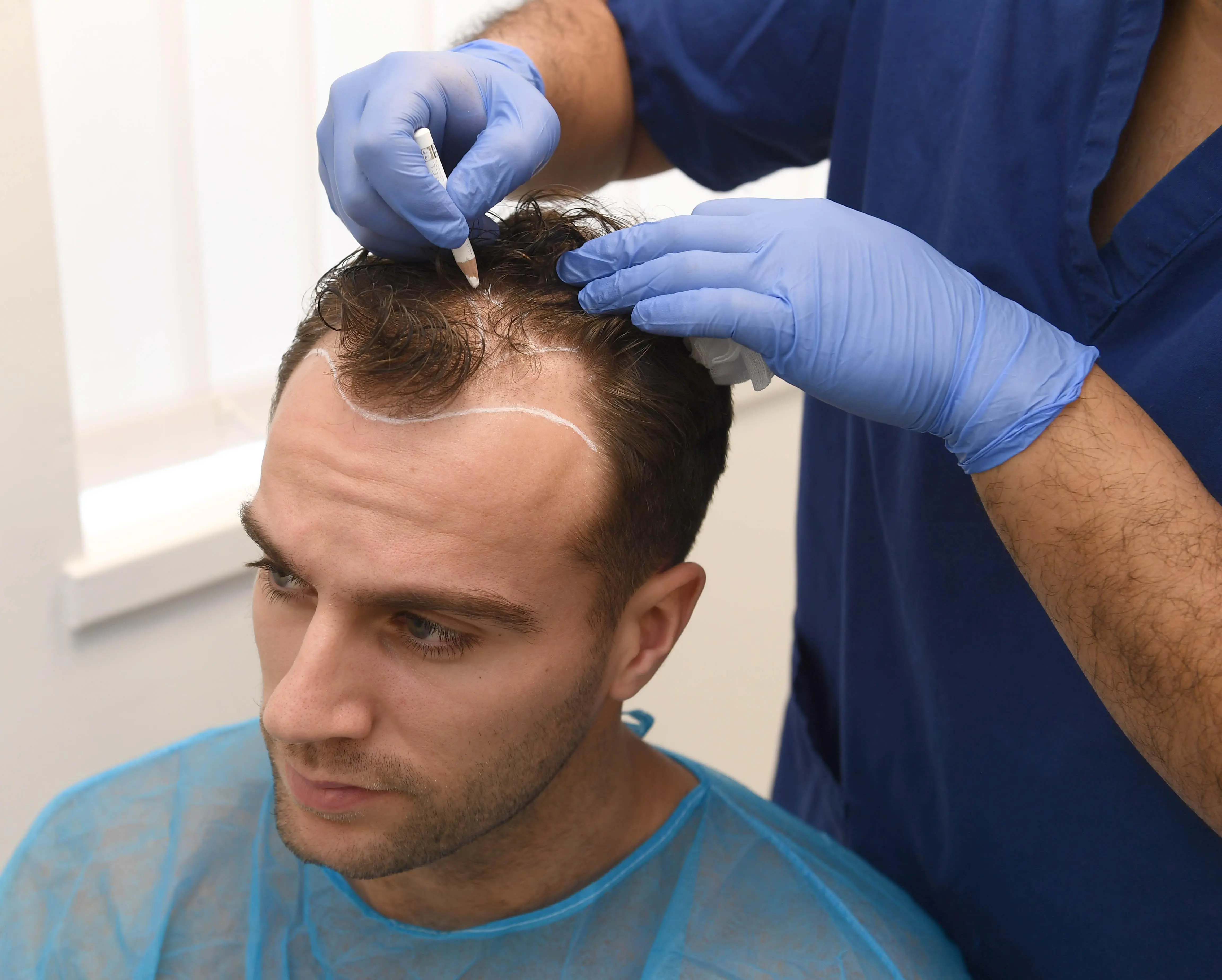
Post Procedure Care Tips for Hair Transplant Patients in Dammam
The success of a hair restoration procedure does not end when you leave the clinic; in fact, the most critical phase for graft survival begins the moment the surgery is complete. Hair transplantation in Dammam(زراعة الشعر في الدمام) utilizes advanced techniques that offer high success rates, but these delicate new follicles require a specific environment to take root and thrive. The first ten days following the procedure are often referred to as the "golden window," during which the scalp must be protected from trauma, infection, and excessive pressure. By adhering to a disciplined aftercare routine, you ensure that the investment you have made in your appearance yields the dense, natural-looking results you desire. Proper care involves a combination of specialized hygiene, strategic rest, and lifestyle adjustments that support the body’s natural healing processes.
The First 48 Hours: Protecting Fragile Grafts
Immediately following your procedure, the transplanted follicles are at their most vulnerable. They have not yet established a blood supply and are essentially "resting" in their new locations.
-
Hands-Off Policy: It is vital that you do not touch, scratch, or rub the recipient area. Even a slight accidental tug can dislodge a graft before it has had a chance to anchor.
-
Sleeping Position: You must sleep with your head elevated at a 45-degree angle for at least the first three to five nights. This is most easily achieved by using a recliner chair or stacking several firm pillows. Elevation is critical because it prevents fluid from pooling in the scalp, significantly reducing the swelling (edema) that often migrates down toward the forehead and eyes.
-
Clothing Choice: Continue wearing button-down or zippered shirts. Avoid any clothing that must be pulled over the head, as the fabric can easily snag and pull out the newly placed follicles.
Mastering the Washing Routine
Keeping the scalp clean is essential to prevent infection and help scabs heal, but traditional showering must be avoided in the early days. Most specialists recommend starting the washing process on the third day using a specific "cup-and-rinse" method.
-
Preparation: Mix a small amount of the provided mild shampoo with lukewarm water in a cup until it is foamy.
-
Application: Gently pour the foamy mixture over the transplanted and donor areas. Do not massage or rub the recipient site.
-
Rinsing: Use a separate cup of clean, lukewarm water to gently rinse away the suds. Never place your head directly under a high-pressure shower head, as the force can dislodge the grafts.
-
Drying: Allow your hair to air dry naturally. Do not use a towel to rub the scalp, and avoid hair dryers, as the heat and air pressure can be damaging to the sensitive skin.
Managing Scabs and Itching
As the tiny incisions heal, small scabs will form around each graft. While they may become itchy, you must resist the urge to pick at them. Picking a scab can pull the underlying follicle out with it, leading to permanent "holes" in your new hairline.
To manage itching, you can use a saline spray provided by your clinic to keep the area hydrated. By day ten, the grafts are usually secure enough that you can begin to gently massage the scalp during your wash to help the scabs soften and fall away naturally. If scabs persist beyond two weeks, consult your specialist for further instructions.
Nutrition and Lifestyle Adjustments
What you put into your body significantly impacts how quickly your scalp heals and how well the new hair grows.
-
Hydration: Drink plenty of water to support cellular repair and blood circulation.
-
Dietary Boosters: Focus on foods rich in Vitamin C, Zinc, and Biotin. These nutrients are essential for collagen production and hair health. Lean proteins like chicken, fish, and legumes provide the amino acids necessary for the follicles to enter the growth phase.
-
Avoidances: Stay away from spicy foods, which can cause sweating and irritation, and avoid excessively salty foods that contribute to swelling. Alcohol and smoking should be strictly avoided for at least two weeks, as they thin the blood and restrict oxygen flow to the healing tissues.
Activity Levels and Environmental Protection
For the busy professional or active individual, the urge to return to a normal routine is strong, but patience is required to protect the transplant.
| Timeline | Activity Level |
| Days 1–3 | Complete rest; avoid all physical strain. |
| Days 4–7 | Light walking is permitted; avoid sweating. |
| Days 10–14 | Light cardio (treadmill walking, slow cycling) can begin. |
| 1 Month+ | Heavy weightlifting, swimming, and contact sports. |
Additionally, you must protect your scalp from the sun. Direct UV rays can damage the sensitive, healing skin and lead to hyperpigmentation or graft failure. If you must go outside, wear a very loose-fitting hat that does not touch the recipient area, or remain in the shade during peak sun hours.
Conclusion
Post-procedure care is the final, essential step in your hair restoration journey. While the rules may seem strict, they are temporary measures designed to ensure the longevity of your results. By protecting the grafts, maintaining hygiene, and nourishing your body, you are giving your new hair the best possible start. Within a few months, these small sacrifices will be forgotten as you witness the first signs of permanent, natural growth.
Категории
Больше
Polaris Market Research has introduced the latest market research report titled Eyewear Market Size, Share, Trends, Industry Analysis Report, By Product (Spectacles, Lenses, and Sunglasses), Distribution Channel, End User, and Region (North America, Europe, Asia Pacific, Latin America, and Middle East & Africa) – Market Forecast, 2025-2034 that highlights the major revenue...

Streetwear has always been about self-expression, but only a few pieces successfully cross into high fashion. The Trapstar jacket is one of them. What began as a symbol of underground street culture has evolved into a globally recognized fashion statement. Loved for its bold identity and premium feel, this jacket now appears in both casual street looks and elevated fashion settings. Its journey...

Wakefit Innovations IPO 2025 — Full Guide: Price, GMP, Key Dates & Investor Insights The much-anticipated Wakefit Innovations Ltd IPO is here. With rising investor interest, several questions have surfaced — from valuation and listing gains to long-term prospects. In this detailed blog post, we break down everything you need to know: IPO structure, price band, Grey Market...

1. Make Your Special Occasion in Mango Grove Hotel. Mango Grove Hotel stands out as a leading establishment in terms of wedding hotels in chandigarh as a perfect blend of beauty, comfort and flawless service. It has been designed in such a way that it will turn your happiest moments into lifetime memories thus it has provided a sophisticated atmosphere that adds elegance to both big and small...

A Complete Guide to Capella Nursing Assessment Samples: Understanding NURS FPX 6080 Assessment 6 and NURS FPX 6085 Assessments 5 & 6 Capella University’s nursing programs are designed to prepare learners for advanced professional practice, leadership, and evidence-based decision-making. Among the most challenging components of these programs are the final assessments, which...