


Natural Hairline Design: The Art of Framing Your Face Perfectly
Natural Hairline Design: The Art of Framing Your Face Perfectly
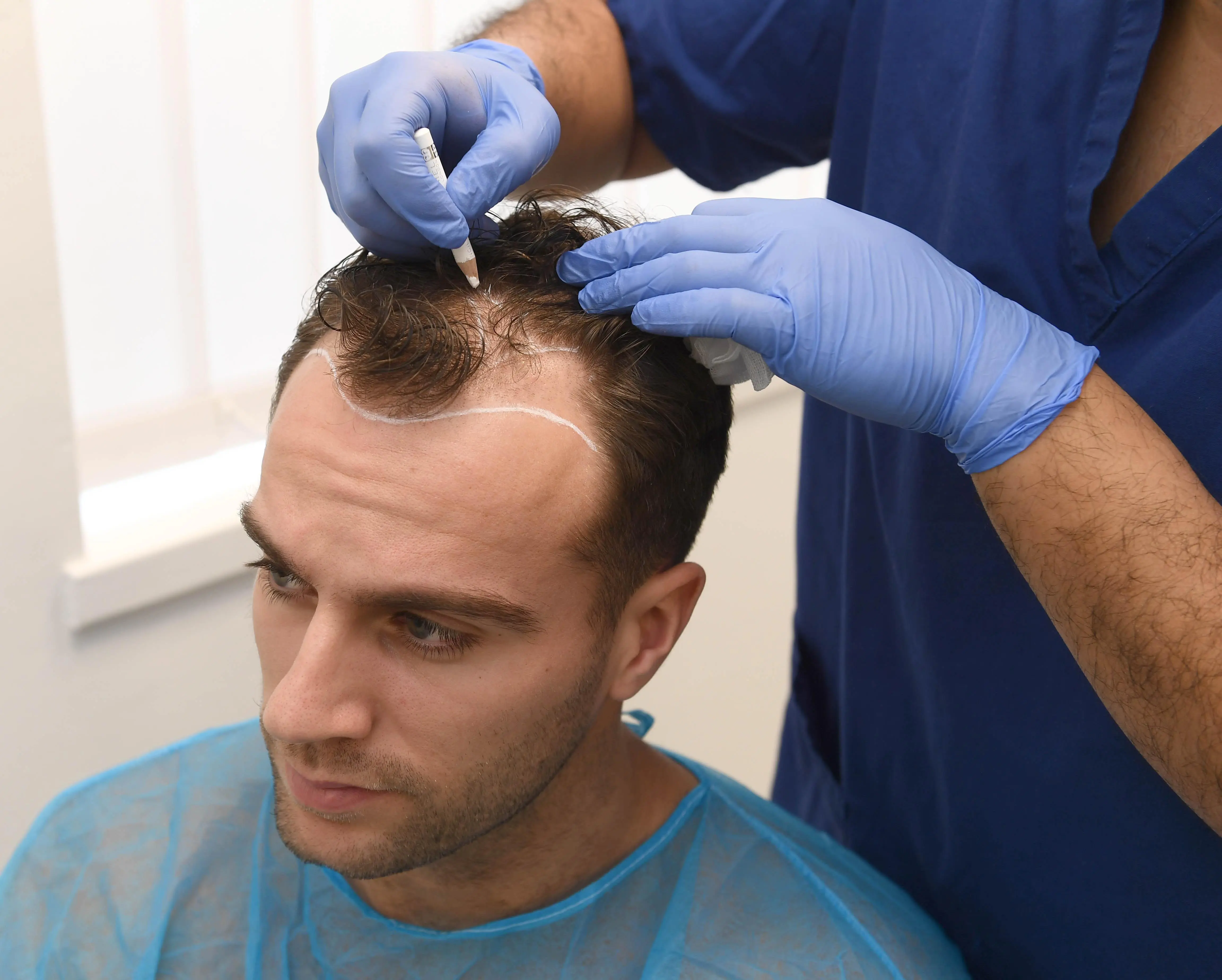
The ultimate hallmark of a successful restoration is not just the presence of new hair, but the invisibility of the procedure itself. When individuals seek a hair transplant in Riyadh(زراعة الشعر في الرياض), the primary goal is often to reclaim a youthful appearance that feels entirely authentic. Achieving this requires more than just technical skill; it demands an artistic eye for "Hairline Design." The hairline is the most visible transition zone on the face, acting as the frame for your features. In 2026, surgeons have moved beyond simple templates, utilizing 3D modeling and AI-driven mapping to ensure that every hairline is a bespoke masterpiece that balances facial proportions with natural biological chaos.
The Science of Facial Proportions: The Rule of Thirds
A natural hairline is never an arbitrary line drawn across the forehead; it is a calculated feature based on the "Rule of Thirds." This aesthetic principle divides the face into three equal horizontal sections: from the chin to the base of the nose, from the nose to the eyebrows, and from the eyebrows to the hairline.
-
The Golden Ratio: Modern surgeons in 2026 use digital calipers and AI software to identify the ideal "starting point" for your new hair, often aiming for a height of 7 to 8 cm above the eyebrows in men.
-
Age-Appropriate Design: While a low, straight hairline might look great on a 20-year-old, it can look artificial on a 50-year-old. Surgeons now prioritize a "mature" hairline that features subtle recession at the temples to ensure the results age gracefully alongside the patient.
"Irregular Irregularity": Mimicking Nature's Chaos
If you look closely at a natural, non-transplanted hairline, it is never a perfectly straight line. Instead, it is characterized by "micro-irregularities"—tiny zig-zags and "island hairs" that sit slightly ahead of the main body of hair.
-
The Transition Zone: Surgeons replicate this by creating a soft, "feathered" edge. In 2026, the use of staggered patterns and "jagged" incisions has replaced the linear rows of the past.
-
The Macro-Pattern: This involves the subtle "peaks and valleys" across the forehead. By avoiding perfect symmetry, the surgeon prevents the "helmet look" and creates a hairline that withstands close inspection even under harsh, direct light.
The Role of Graft Selection: Singles First
The texture of the hairline is determined by the type of grafts used in the very first rows. Natural hair at the forehead is typically finer and grows as single strands.
-
Single-Hair Grafts: In 2026, it is an industry standard to use only single-hair follicular units for the first 0.5 cm to 1 cm of the hairline. These are often hand-picked or AI-selected for their finer caliber to create a soft, translucent edge.
-
Multi-Hair Grafts: Only as the procedure moves into the "Defined Zone" (1-2 cm behind the front line) do surgeons begin to use "doubles" or "triples" to build the visual density and volume necessary for a full appearance.
Angle and Directionality: The 15-Degree Rule
One of the most common mistakes in older transplants was hair that grew straight up like a "toothbrush." In a natural hairline, hair exits the scalp at a very acute angle, typically pointing forward toward the nose at about 15 to 30 degrees. Surgeons must also account for the "cowlick" or natural whorl patterns. Hair at the center might point straight forward, while hair at the temples curves downward to blend into the sideburns. Replicating these 3D angles ensures that the hair lies flat and behaves naturally when combed or styled.
Temple Points: The Key to Facial Framing
A perfect frontal hairline can still look "fake" if the temple points are ignored. As hair loss progresses, the hair on the sides of the forehead often recedes. If a surgeon lowers the front but leaves the temples far back, the result looks disconnected and "top-heavy." Designing the temple points is a high-art form in 2026. These areas require the finest possible hair and extremely flat angles to ensure they "frame" the eyes and cheekbones correctly. When done right, this restores the youthful "V-shape" or "oval" that defines a balanced, healthy profile.
Categorii
Citeste mai mult
Galar-Barrikadax-Deck Im Mittelpunkt steht ein beeindruckendes Galar-Barrikadax-Deck, das im Pokémon Sammelkartenspiel für Furore sorgt. Dieses Deck basiert auf der neuesten Erweiterung "Traumhafte Parade" und ist bereits eines der führenden Builds auf dem Markt. Galar-Barrikadax überzeugt durch seine kraftvolle Fähigkeit, Gegner zu überraschen und bei jedem...

The global sports betting industry has evolved into one of the most profitable digital business sectors. With millions of sports fans placing bets online every day, the demand for secure and reliable betting platforms continues to grow rapidly. For entrepreneurs, startup companies, and investors, this market presents a powerful opportunity to build a scalable and profitable online business....

Weight loss is a goal shared by millions of people around the world. Many want to feel healthier, more energetic, and confident in their bodies. However, the journey can often feel confusing due to conflicting advice, extreme diets, and unrealistic promises. The truth is simple: successful fat burn and sustainable weight management are not about quick fixes. They are about building healthy...

Corteiz has become one of the biggest names in streetwear this year. The brand stands for confidence, comfort, and originality. Fans around the world wear Corteiz clothing to express real street culture. From hoodies to tracksuits, every item has become part of today’s fashion. The clean looks, relaxed fits, and simple graphics make the clothing stand out. Corteiz keeps its focus on...

Benefits of Using Certification Exam Preparation Material Certification exams help people grow in their careers. They help you get better jobs. They also help you earn more money. Many students want to pass the AI-900 exam on the first attempt. This exam is offered by Microsoft. However, exam preparation can feel difficult. There are many books to read and many topics to cover. This is why...
