


How Athletes Manage Sciatica and Nerve Pain
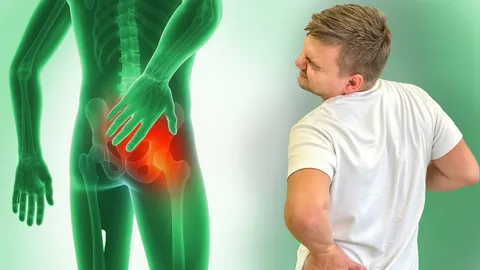
Professional athletes face unique challenges when dealing with sciatica and nerve pain. The constant physical demands of training and competition make recovery particularly difficult. Understanding effective management strategies becomes essential for maintaining peak performance levels.
Understanding Sciatica in Athletic Performance
Sciatica occurs when the sciatic nerve becomes compressed or irritated. This large nerve runs from the lower back down through the legs. Athletes often experience sharp, shooting pains that radiate down one leg. The condition can significantly impact running, jumping, and other explosive movements.
The lumbar spine bears tremendous stress during athletic activities. Repetitive motions, heavy lifting, and sudden twisting movements increase injury risk. Basketball players, runners, and weightlifters commonly experience these nerve-related issues. The pain can range from mild discomfort to debilitating sensations.
Herniated discs frequently contribute to sciatic nerve compression in athletes. The protective cushions between vertebrae can bulge or rupture under pressure. Piriformis syndrome represents another common cause among active individuals. This occurs when the piriformis muscle compresses the sciatic nerve.
Early Recognition and Diagnosis
Athletes must recognize warning signs before conditions worsen significantly. Tingling sensations in the legs often signal nerve involvement. Numbness, weakness, or burning feelings should never be ignored by competitors. Early intervention typically leads to faster recovery and better outcomes.
Professional diagnosis involves comprehensive physical examinations and imaging tests. MRI scans reveal detailed information about nerve compression and disc health. Electromyography measures electrical activity in muscles affected by nerve damage. Accurate diagnosis guides the development of personalized treatment protocols.
Many athletes initially dismiss symptoms as normal muscle soreness or fatigue. This delay in seeking help can prolong recovery times unnecessarily. Working with experienced healthcare providers ensures proper evaluation of symptoms. A sports injury clinic provides specialized assessment for athletic populations.
Conservative Treatment Approaches
Most athletes begin with non-surgical interventions for sciatica management. Physical therapy forms the cornerstone of conservative treatment strategies. Targeted exercises strengthen core muscles that support the spine effectively. Flexibility work addresses muscle imbalances that contribute to nerve compression.
Manual therapy techniques help reduce muscle tension and improve mobility. Chiropractors and osteopaths perform spinal adjustments to restore proper alignment. Soft tissue mobilization releases tight muscles pressing on nerve pathways. These hands-on approaches complement exercise-based rehabilitation programs.
Anti-inflammatory medications provide temporary relief from acute pain episodes. However, athletes must use these cautiously to avoid masking injuries. Ice therapy reduces inflammation during the initial stages of symptoms. Heat application later promotes blood flow and muscle relaxation.
Advanced Therapeutic Interventions
Epidural steroid injections offer relief when conservative treatments prove insufficient. These targeted injections deliver anti-inflammatory medication directly to affected areas. The procedure can reduce swelling around compressed nerve roots effectively. Many athletes experience significant improvement lasting several weeks or months.
Platelet-rich plasma therapy represents an emerging treatment for nerve pain. This regenerative medicine approach uses the body's own healing factors. Athletes receive injections of concentrated platelets to promote tissue repair. Research continues to evaluate the effectiveness of this innovative treatment.
Nerve blocks provide diagnostic information and temporary pain relief simultaneously. These injections help identify the specific source of pain. They also offer athletes brief windows for intensive rehabilitation work. The temporary relief allows more aggressive stretching and strengthening exercises.
Modified Training and Exercise Protocols
Athletes must adapt their training routines during sciatica recovery periods. Low-impact activities like swimming and cycling maintain cardiovascular fitness. These exercises minimize stress on the lumbar spine and legs. Water-based training offers natural resistance without jarring impact forces.
Core stabilization exercises become priority elements in rehabilitation programs. Planks, bird dogs, and dead bugs strengthen deep abdominal muscles. These muscles provide essential support for the spine during movement. Proper core activation reduces strain on the sciatic nerve significantly.
Flexibility training addresses tight hip flexors, hamstrings, and lower back muscles. Gentle stretching routines performed daily improve range of motion gradually. Yoga and Pilates incorporate controlled movements that enhance body awareness. Athletes learn to move efficiently while minimizing nerve irritation.
Biomechanical Corrections and Movement Patterns
Poor movement mechanics often contribute to recurring sciatic nerve problems. Professional athletes work with biomechanics specialists to identify faulty patterns. Video analysis reveals subtle compensations that increase injury risk over time. Correcting these inefficiencies prevents future episodes of nerve pain.
Running gait analysis helps distance runners optimize their stride mechanics. Proper foot strike patterns and cadence reduce impact forces significantly. Strength imbalances between left and right sides require specific corrective exercises. Addressing asymmetries promotes balanced loading through the spine and pelvis.
Lifting technique modifications protect the spine during resistance training sessions. Athletes learn to maintain neutral spine positions during heavy loads. Proper bracing techniques engage core muscles before executing challenging movements. These adjustments allow continued strength development while managing nerve symptoms.
Recovery Timeline and Return to Competition
Patience proves essential during the sciatica recovery process for athletes. Mild cases may resolve within several weeks with appropriate treatment. Moderate to severe cases often require two to three months. Rushing back to full activity increases the risk of recurrence.
Progressive loading protocols guide athletes through graduated return-to-sport phases. Initial stages focus on pain-free movement and basic strength restoration. Later phases introduce sport-specific drills at reduced intensities gradually. Final stages involve full practice participation before competitive return approval.
Monitoring symptoms throughout recovery helps prevent setbacks and complications. Athletes maintain detailed logs of pain levels and functional abilities. Regular reassessments with healthcare providers ensure appropriate progression through phases. Communication between medical staff and coaches optimizes the rehabilitation process.
Prevention Strategies for Long-Term Health
Preventing future episodes requires ongoing commitment to spine health practices. Regular strength training maintains the muscular support system around vertebrae. Consistent flexibility work prevents the muscle tightness that compresses nerves. These habits become essential components of daily training routines.
Proper warm-up protocols prepare the body for intense physical demands. Dynamic stretching increases blood flow and improves tissue extensibility. Gradual intensity increases allow tissues to adapt to training stresses. Cool-down routines facilitate recovery and reduce post-exercise muscle tension.
Adequate rest and recovery periods allow tissues to repair properly. Sleep quality directly impacts the body's ability to heal damaged structures. Nutrition strategies support tissue repair through adequate protein and nutrient intake. Hydration maintains disc health and overall tissue function throughout training.
Mental Health Considerations During Recovery
Dealing with nerve pain creates significant psychological challenges for competitive athletes. Frustration and anxiety commonly arise during extended recovery periods away. Mental health support helps athletes maintain positive outlooks during rehabilitation. Sports psychologists provide coping strategies for managing pain-related stress.
Visualization techniques allow athletes to maintain mental connections with their sport. Guided imagery exercises reduce pain perception and promote relaxation responses. Mindfulness practices help athletes accept current limitations without losing motivation. These mental tools complement physical rehabilitation efforts effectively.
Setting realistic short-term goals maintains motivation throughout the recovery journey. Celebrating small improvements reinforces commitment to the rehabilitation process consistently. Support from teammates, coaches, and family members proves invaluable. Athletes who address mental health needs alongside physical recovery succeed.
Conclusion
Managing sciatica and nerve pain requires comprehensive approaches for athletic populations. Combining medical interventions with modified training protocols produces optimal outcomes. Early recognition and professional treatment prevent minor issues from becoming chronic. Athletes who commit to proper rehabilitation return stronger and more resilient. The journey demands patience, discipline, and expert guidance throughout recovery.
الأقسام
إقرأ المزيد
Trong thời đại công nghệ phát triển mạnh mẽ, nhu cầu giải trí trực tuyến ngày càng trở nên phổ biến. Người dùng không chỉ tìm kiếm sự tiện lợi mà còn mong muốn một nền tảng đa dạng, ổn định và mang lại trải nghiệm mượt mà. Nổi bật trong số đó, HITCLUB được biết đến như một hệ sinh thái...

الخطأ الذي يقع فيه أغلب المبتدئين ليس اختيار لعبة سيئة، بل اختيار منصة لا توضّح الشروط من البداية. لهذا السبب يرتبط البحث عن أفضل كازينو أونلاين دائمًا بسؤالين عمليين: هل الفهم سهل؟ وهل العروض مفيدة فعلًا؟ قبل أن تنجذب إلى الواجهة اللامعة، راجع مرجعًا يشرح التفاصيل بوضوح مثل Casino of God، لأن التجربة الأولى غالبًا تُحسم من صفحة الشروط، لا من شكل الموقع. ما الذي يهم المبتدئ فعلًا قبل التسجيل...

The landscape of Hadoop Big Data has reached a critical turning point. In 2026, the era of managing massive, manual on-premise server racks is quickly fading into the background. Organizations now face a data explosion that traditional manual administration simply cannot handle. Global data production is expected to reach 181 zettabytes this year, with nearly 496 million terabytes created...

" According to the latest report published by Data Bridge Market Research, the Pasta Sauce Market Data Bridge Market Research analyses that the pasta sauce market was valued at USD 9.9 billion in 2021 and is expected to reach the value of USD 17.66 billion by 2029, at a CAGR of 7.50% during the forecast period of 2022-2029. Competitive analysis carried out in the credible Pasta Sauce...
What if the card you hand to a customer today could become the connection that brings you your next big opportunity tomorrow? In a marketplace where attention is incredibly difficult to capture, professional cards printing can give your brand a powerful advantage. At Landmark Print, we turn ordinary cards into polished, memorable brand ambassadors designed to help businesses,...
