


What to Expect During Your NIPT Screening Test
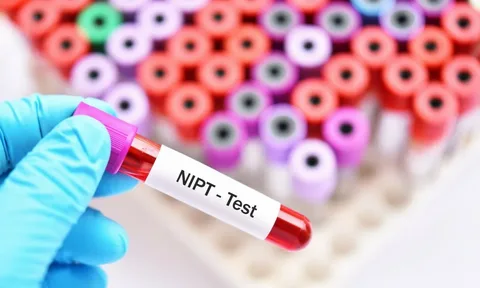
Prenatal care has advanced significantly over the last few decades, giving expectant parents more options to ensure a healthy pregnancy. One of the most accurate non-invasive prenatal screening methods is the NIPT, or Non-Invasive Prenatal Test. This test has become increasingly popular among expecting families who want early and reliable information about their baby’s health. If you are considering this test, understanding what to expect can make the experience easier and less stressful.
Understanding NIPT and Its Purpose
The NIPT is a blood test designed to detect certain genetic conditions in a developing fetus. It analyzes small fragments of fetal DNA circulating in the mother’s blood. Unlike invasive tests such as amniocentesis or chorionic villus sampling, the NIPT does not carry a risk of miscarriage. The primary purpose of this screening is to identify chromosomal abnormalities, including Down syndrome (Trisomy 21), Edwards syndrome (Trisomy 18), and Patau syndrome (Trisomy 13). Many parents also use the NIPT to determine the baby’s sex, which can be revealed as early as ten weeks of gestation.
It is important to note that the NIPT is a screening test, not a diagnostic test. A positive result does not confirm a condition but suggests that further testing may be necessary. Conversely, a negative result provides reassurance but does not guarantee that the fetus is entirely free of genetic abnormalities.
Preparing for Your NIPT Screening
Preparation for the NIPT is straightforward and minimally invasive. There is no need for fasting, and the procedure typically requires only a standard blood draw. Patients should ensure they are well-hydrated, as this can make the blood draw easier. It is also advisable to schedule the test after ten weeks of gestation, as earlier testing may not yield accurate results. Discussing your medical history and any previous pregnancy complications with your healthcare provider is essential. They may also ask about family history, as certain genetic conditions can be inherited.
Before the test, your provider may explain the possible outcomes and limitations of the screening. Understanding what the results can and cannot tell you helps manage expectations. Some families may choose to meet with a genetic counselor before the test to discuss the potential implications of the results in detail.
The Day of the Test: What Happens
On the day of your NIPT, you will typically arrive at a clinic or laboratory where a trained phlebotomist collects a blood sample from your arm. The procedure is quick and usually takes less than fifteen minutes. You may feel mild discomfort from the needle, but it is generally painless and low-risk. After the blood draw, your sample is sent to a laboratory for analysis.
The testing process uses advanced molecular technology to examine cell-free fetal DNA. The lab evaluates the genetic material for chromosomal abnormalities and sometimes specific microdeletions. While you wait for results, it is common to experience anxiety, but remember that most NIPT results are reassuring. Results are usually available within one to two weeks, depending on the lab and location.
Understanding Your NIPT Results
When your results arrive, they will typically be categorized as either low-risk or high-risk for chromosomal abnormalities. A low-risk result means the likelihood of a detected condition is minimal, providing peace of mind for most families. A high-risk result does not confirm a diagnosis but indicates the need for further testing, such as amniocentesis or chorionic villus sampling.
It is crucial to review your results with your healthcare provider or a genetic counselor. They can explain the significance of the findings, potential next steps, and available support resources. Interpreting the results accurately is essential to making informed decisions about your pregnancy. Some labs may also provide a report that includes information about the baby’s sex, although this is optional and depends on parental preference.
Accuracy and Limitations of the NIPT
The NIPT is highly accurate for detecting common chromosomal abnormalities. Research shows that the test can detect over 99% of cases of Down syndrome, while accuracy for other trisomies is slightly lower but still significant. Despite this high accuracy, no screening test is perfect. False positives and false negatives, although rare, can occur.
Factors that may affect test accuracy include maternal weight, multiple pregnancies, and certain medical conditions. In some cases, the fetal DNA in the maternal blood may be insufficient, requiring a repeat test. Patients should discuss these factors with their healthcare provider to understand their personal risk and the reliability of the results.
Emotional Considerations During Screening
The NIPT is not only a medical procedure but also an emotional experience. Expectant parents often feel a mix of excitement, hope, and anxiety before receiving results. It is normal to worry about the possibility of abnormalities or unexpected findings. Having a support system, such as a partner, family member, or counselor, can help navigate these emotions.
Some parents may experience stress when deciding whether to know the baby’s sex or only the genetic results. Setting expectations with your healthcare provider beforehand can reduce confusion and help you feel more in control. It is essential to remember that regardless of the results, the test is a tool to guide your prenatal care, not a prediction of your baby’s overall life or abilities.
NIPT for Multiple Pregnancies
Expectant mothers carrying twins or higher-order multiples can also undergo NIPT. However, results can be slightly less accurate in multiple pregnancies due to mixed fetal DNA samples. Specialized labs are experienced in analyzing these cases and providing accurate risk assessments. Discussing your specific situation with your healthcare provider is crucial to understanding the implications for multiple pregnancies.
Choosing the Right Provider
Selecting a reputable clinic or laboratory for your NIPT ensures reliability and accurate results. Some locations, including facilities offering the NIPST test in Calgary, provide experienced staff and access to genetic counseling services. Confirming the lab’s accreditation and experience in prenatal screening is important. Your healthcare provider can recommend trusted testing centers and guide you through insurance coverage or out-of-pocket costs.
Follow-Up After NIPT Screening
Following your NIPT, your healthcare provider will schedule a consultation to discuss the results. If the test indicates a low-risk result, routine prenatal care continues, including ultrasounds and other standard screenings. For high-risk results, additional testing and counseling are recommended to confirm the diagnosis and explore potential options.
In some cases, follow-up ultrasounds may provide more information about the baby’s development. Prenatal care remains comprehensive, and the NIPT is one part of the broader health monitoring strategy. Parents are encouraged to ask questions and seek support from genetic counselors, support groups, or prenatal care teams.
Benefits of NIPT Screening
The NIPT provides several advantages over traditional screening methods. It offers early detection of potential genetic conditions, allowing parents to plan and prepare. The test is non-invasive, posing minimal risk to both mother and baby. It also reduces the need for more invasive procedures unless follow-up testing is necessary.
Early knowledge of possible conditions can help families access medical resources, counseling, and specialized care during pregnancy. Additionally, the NIPT can provide reassurance and peace of mind for many parents who want clarity about their baby’s health.
Limitations and Considerations
Despite its advantages, the NIPT has limitations that parents should understand. It cannot detect all genetic conditions, structural anomalies, or certain rare chromosomal variations. The test also does not assess physical or developmental issues unrelated to chromosomes.
Insurance coverage for NIPT varies by region, and costs may be a consideration for some families. Discussing coverage and out-of-pocket expenses with your provider helps avoid surprises. It is also important to understand that a positive result requires further diagnostic testing to confirm any condition.
Making an Informed Decision
Deciding whether to undergo NIPT is a personal choice. Parents should weigh the benefits, limitations, and emotional aspects of the test. Consulting with a healthcare provider and genetic counselor provides valuable guidance. Learning about the test beforehand allows families to make decisions aligned with their values and expectations.
Understanding the potential outcomes and next steps ensures that parents are prepared for any scenario. It is equally important to approach the process with an open mind and realistic expectations. The test is a tool, not a guarantee, and its value lies in the information it provides for prenatal care planning.
Conclusion
The NIPT offers a safe, reliable, and informative option for prenatal genetic screening. From preparation to results, understanding each step reduces anxiety and improves the experience. The test’s non-invasive nature, high accuracy, and early detection capabilities make it an essential part of modern prenatal care.
Families considering the nipt test Calgary or similar services can benefit from expert guidance and supportive counseling. Being informed about the procedure, potential results, and emotional considerations allows expectant parents to navigate pregnancy with confidence. As prenatal care continues to evolve, the NIPT remains a cornerstone of early genetic screening and a valuable resource for families seeking clarity and reassurance.
Categorias
Leia Mais
The Safety Voltage Detector Market was valued at USD 1.2 billion in 2024 and is projected to reach USD 2.5 billion by 2034, registering a CAGR of 7.5%. The latest report, titled ‘Global Safety Voltage Detector Market,’ comprises a profound analysis of the fundamental parameters contributing to the global Safety Voltage Detector market scenario. The research report provides the...

"Executive Summary Glass Pasteur Pipettes Market Size and Share Analysis Report The global glass pasteur pipettes market size was valued at USD 520.17 million in 2024 and is expected to reach USD 745.42 million by 2032, at a CAGR of 4.60% during the forecast period This Glass Pasteur Pipettes Market research report guides the management of a firm in...

In today’s fast-paced world, managing daily chores like laundry can be time-consuming and exhausting. Between work, family, and social responsibilities, many people struggle to find the time to wash, dry, and fold their clothes. This is where searching for a “Laundry Service Near Me” becomes a practical and convenient solution. Local laundry services offer professional care,...

Personal growth and discipline are the two most important foundations of a successful life. Without growth, life becomes stagnant. Without discipline, goals remain unfinished. Many people want to improve themselves, but they struggle to stay consistent in daily life. A New Year Diary is a simple yet powerful tool that helps you build both personal growth and discipline. It gives...

A clutter-free home doesn’t happen overnight, but with the right storage tools, it’s easier to maintain. One of the smartest ways to make the most of your space is by incorporating Heavy Duty Overhead Rack and Home Storage & Organization Hook into your home design. Heavy Duty Overhead Racks are perfect for storing bulky or infrequently used items that would otherwise...