How Hormone Therapy Helps Restore Energy and Vitality
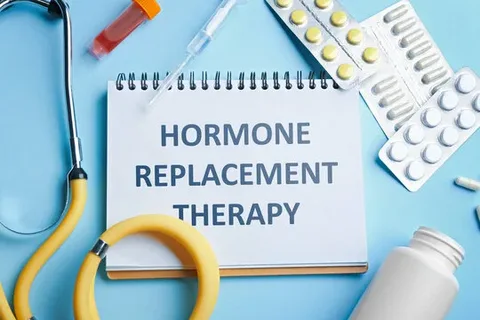
Many adults experience ongoing fatigue that affects productivity, mood, and overall quality of life. This lack of energy often continues even when sleep, nutrition, and physical activity seem adequate. In many cases, the underlying cause is a gradual hormonal imbalance that develops with age or lifestyle stressors. Understanding how hormone therapy works can help explain why restoring hormonal balance often leads to renewed energy and vitality.
Hormones are chemical messengers that regulate metabolism, cellular energy production, mood, and recovery. When the endocrine system functions properly, the body maintains steady energy throughout the day. Even minor disruptions in hormone levels can interfere with how cells convert nutrients into usable energy. Over time, this imbalance can result in physical exhaustion and mental fatigue.
The Role of Hormones in Energy and Vitality
The endocrine system includes glands such as the thyroid, adrenal glands, pituitary gland, and reproductive organs. These glands work together to control metabolism, stress response, muscle function, and sleep cycles. Hormones like testosterone, estrogen, cortisol, insulin, and thyroid hormones play a direct role in maintaining stamina and focus. When these hormones fall outside optimal ranges, energy production becomes less efficient and fatigue sets in.
Healthy hormone levels support oxygen delivery to muscles, balanced blood sugar, and proper brain function. They also influence motivation and emotional stability. When hormone signaling weakens, daily tasks require more effort and mental clarity declines. Restoring balance helps the body return to a more efficient and energized state.
Why Hormonal Imbalances Develop Over Time
Aging is one of the most common reasons hormone levels change. Testosterone gradually declines in men, while women experience significant shifts during menopause. Thyroid function may slow, reducing metabolic rate and body temperature regulation. These changes occur slowly, which makes symptoms easy to overlook at first.
Lifestyle factors can intensify hormonal imbalance. Chronic stress raises cortisol levels, which drains energy and disrupts other hormones. Poor sleep interferes with natural hormone release cycles, while nutrient deficiencies affect hormone production. Over time, these factors combine to create persistent fatigue and reduced vitality.
Recognizing Fatigue Caused by Hormonal Changes
Hormonal fatigue often goes beyond feeling tired at the end of the day. Many people experience brain fog, poor concentration, and reduced motivation. Physical changes such as muscle loss, weight gain, and decreased strength are also common. Emotional symptoms like irritability or low mood may appear alongside physical exhaustion.
Sleep problems frequently accompany hormonal imbalance. Individuals may struggle to fall asleep or wake feeling unrested. Reduced libido can also signal underlying endocrine changes. When these symptoms occur together, hormonal evaluation becomes an important step toward recovery.
How Hormone Therapy Works
Hormone therapy focuses on restoring deficient hormones to healthy, physiological levels. Treatment may involve bioidentical or medically approved synthetic hormones designed to match the body’s natural chemistry. The goal is not excess, but balance that supports normal biological functions. Proper dosing helps the body regain stability and efficiency.
Before treatment begins, hormone levels are assessed through blood tests and clinical evaluation. Therapy is tailored to individual needs, with ongoing monitoring to ensure safety. Adjustments are made as the body responds, allowing treatment to remain effective over time.
How Hormone Therapy Restores Physical Energy
Balanced hormone levels improve how cells produce energy. Mitochondria function more efficiently, leading to increased ATP production. This results in better endurance and reduced feelings of exhaustion throughout the day. Many individuals notice more consistent energy rather than afternoon crashes.
Hormone therapy also supports muscle strength and recovery. Stronger muscles require less effort for daily movement, reducing overall fatigue. Improved oxygen utilization further enhances physical stamina. Together, these effects contribute to renewed physical vitality.
Mental Clarity and Emotional Benefits
Hormones have a direct impact on brain chemistry and neurotransmitter activity. Imbalances can contribute to anxiety, low mood, and mental fatigue. Hormone therapy helps stabilize these chemical signals, supporting emotional balance and resilience. Many people report feeling more positive and motivated.
Cognitive function often improves with hormonal balance. Focus, memory, and mental processing speed become more reliable. Reduced brain fog enhances productivity and confidence. Mental energy becomes as noticeable as physical improvement.
Sleep Quality and Recovery
Restful sleep is essential for maintaining energy and hormonal health. Hormonal imbalances often disrupt deep sleep cycles, leaving individuals feeling unrefreshed. Hormone therapy can help regulate cortisol and melatonin rhythms. Improved sleep quality leads to better daytime alertness and mood.
During deep sleep, the body repairs tissues and releases growth hormone. Improved sleep supports muscle recovery and immune function. This process reduces chronic fatigue and supports long term energy restoration. Quality sleep strengthens the overall benefits of therapy.
Hormone Therapy and Metabolic Health
Hormones regulate how the body processes glucose and stores fat. When imbalanced, metabolism slows and energy levels drop. Hormone therapy can improve insulin sensitivity and support healthier body composition. This leads to more efficient energy use and reduced sluggishness.
Optimized thyroid function increases metabolic rate. A healthier metabolism stabilizes energy between meals and physical activity. Improved metabolic health contributes to sustained vitality and weight management. Energy becomes more predictable and consistent.
Supporting Energy in Men Through Hormonal Balance
Men experiencing fatigue often face age related testosterone decline. This can affect muscle mass, motivation, and overall performance. Hormone replacement therapy for men supports balanced testosterone levels under medical supervision. Many men experience improved strength, energy, and confidence as a result.
When therapy is properly managed, hormone levels remain within healthy ranges. Medical oversight minimizes risks and maximizes benefits. Energy restoration often improves both physical capability and mental drive. Quality of life can improve significantly.
The Importance of Personalized Care
Hormone therapy is most effective when tailored to individual needs. Each person’s hormone profile, health history, and lifestyle factors differ. Personalized treatment reduces side effects and supports lasting results. Ongoing monitoring ensures continued safety and effectiveness.
Lifestyle adjustments often enhance therapy outcomes. Balanced nutrition supports hormone production, while regular exercise improves hormone sensitivity. Stress management protects adrenal health and energy reserves. Together, these factors support long term vitality.
Long Term Benefits of Restored Hormonal Balance
Restoring hormonal balance can transform daily life. Individuals often regain interest in physical activity, work, and social engagement. Improved energy supports healthy aging and independence. Vitality becomes sustainable rather than temporary.
Balanced hormones also help reduce inflammation and support cardiovascular health. Metabolic and immune function often improve over time. With proper care, hormone therapy becomes a foundation for long term wellbeing. Energy and vitality can be maintained well into later years.
Final Thoughts
Persistent fatigue should not be accepted as a normal part of aging. Hormonal health plays a central role in maintaining energy and vitality. With proper evaluation and medical guidance, hormone therapy offers a reliable solution. Restoring balance can lead to a healthier, more energized life.
Categorii
Citeste mai mult
An amusement park tragedy unfolded at Universal's Epic Universe when Kevin Rodriguez Zavala, a 32-year-old wheelchair user, became unresponsive after riding the Stardust Racers roller coaster. Medical examiner Joshua Stephany confirmed multiple blunt impact injuries caused Zavala's death, officially ruling it accidental. Despite initial speculation, authorities clarified Zavala hadn't fallen...

British Production Industry Reaches New Heights in 2025 Film and television production in Britain has demonstrated remarkable growth, with total expenditure reaching £6.8 billion ($9.24 billion) in 2025, according to the British Film Institute's annual report. This represents a significant 22% increase from the previous year and marks the third-highest annual spend ever recorded. The...

ISO 9001 Internal Auditor Training: Enhancing Quality Management Expertise Maintaining consistent quality is essential for any organization aiming to succeed in today’s competitive environment. ISO 9001 internal auditor training plays a vital role in ensuring that a company’s Quality Management System (QMS) is effectively implemented and continuously improved. Based on the globally...

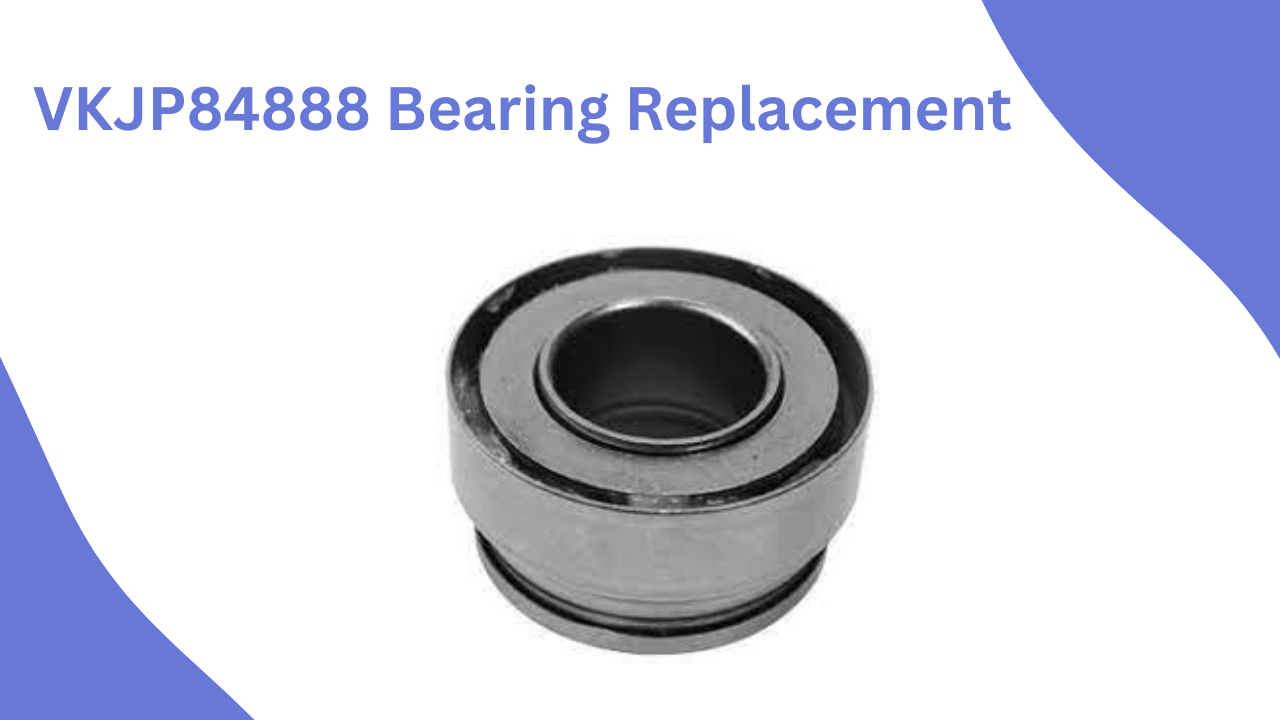
Industrial machinery often fails due to low-quality bearings that cannot handle load, heat, or continuous operation. This article explains how the VKJP84888 roller ball bearing improves performance, reduces downtime, and supports demanding B2B applications. The Common Problem in Industrial Bearing Systems Bearings are small components, but they directly affect machine efficiency and safety....
Why Dry Ice Blasting is the Future of Equipment Restoration Industrial operations depend on clean, efficient machinery to keep production running smoothly. However, traditional cleaning methods often cause damage, require disassembly, or lead to long downtimes. That’s why many industries are now turning to innovative solutions like Top Dry Ice Products, where dry ice blasting technology...