


How Subsurface Testing Confirms Environmental Risk
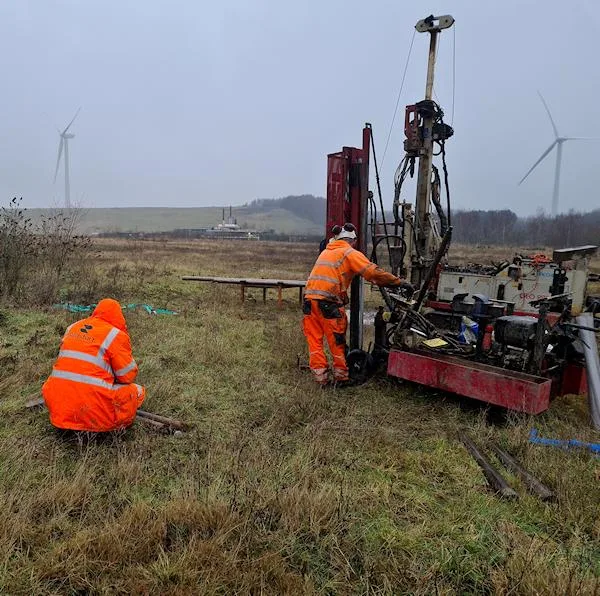
Environmental contamination often hides beneath the surface, invisible to the naked eye. Property owners and developers need reliable methods to detect potential hazards. Subsurface testing provides the scientific evidence required to identify these hidden dangers.
Understanding the Critical Role of Subsurface Investigation
The ground beneath our feet contains countless stories about past activities. Industrial operations, underground storage tanks, and improper waste disposal leave lasting marks. These historical actions create environmental liabilities that persist for decades.
Testing below ground level reveals contamination that surface inspections cannot detect. Soil samples, groundwater analysis, and vapor testing provide comprehensive risk assessment data. Environmental professionals rely on these investigations to protect human health and ecosystems.
The Science Behind Underground Environmental Testing
Subsurface investigation employs sophisticated techniques to gather critical environmental data. Drilling equipment penetrates various depths to collect soil and groundwater samples. Laboratory analysis identifies contaminants including heavy metals, petroleum hydrocarbons, and volatile organic compounds.
Geologists and environmental scientists interpret these findings to map contamination plumes. The spatial distribution of pollutants helps determine the source and extent. Advanced analytical methods detect contaminants at parts per billion concentrations.
Hydrogeological assessments evaluate how groundwater flows beneath the property. Understanding aquifer characteristics reveals potential contaminant migration pathways. This information proves essential for predicting future contamination spread.
When Properties Require Comprehensive Subsurface Analysis
Commercial and industrial properties frequently need extensive underground testing. Manufacturing facilities, gas stations, and dry cleaners present elevated contamination risks. Former agricultural lands may contain pesticide residues and fertilizer compounds.
A phase 2 environmental site assessment becomes necessary when initial investigations reveal concerns. This detailed evaluation includes systematic soil boring and groundwater monitoring well installation. Environmental consultants develop sampling plans based on site history and geology.
Redevelopment projects cannot proceed without understanding subsurface conditions. Lenders and investors demand concrete evidence of environmental safety. Regulatory agencies require documentation before issuing construction permits.
Common Contaminants Discovered Through Subsurface Testing
Petroleum products represent the most frequently encountered underground pollutants. Gasoline, diesel fuel, and heating oil migrate through soil layers. These substances contaminate drinking water supplies and create explosive vapor hazards.
Heavy metals like lead, arsenic, and chromium persist indefinitely in soil. Industrial processes and improper waste disposal introduce these toxic elements. Even small concentrations pose serious risks to human health over time.
Chlorinated solvents from manufacturing and dry cleaning operations penetrate deep aquifers. These dense liquids sink below the water table, creating persistent contamination. Trichloroethylene and perchloroethylene are particularly problematic compounds.
How Testing Methodology Affects Risk Assessment Accuracy
Strategic sampling locations provide representative data about overall site conditions. Environmental professionals consider historical site use when planning investigation points. More intensive sampling occurs in areas with suspected contamination.
Different depths require evaluation to understand vertical contaminant distribution. Shallow soil testing identifies recent releases and surface contamination. Deeper samples reveal historical pollution and groundwater quality.
Quality assurance protocols ensure laboratory results meet regulatory standards. Chain of custody procedures maintain sample integrity from collection through analysis. Duplicate samples and field blanks verify data reliability.
Interpreting Laboratory Results and Risk Levels
Analytical reports contain detailed information about detected contaminants and their concentrations. Environmental consultants compare findings against federal and state regulatory standards. Exceedances trigger additional investigation and potential remediation requirements.
Background concentration levels help distinguish natural occurrence from human contamination. Naturally occurring arsenic in soil differs from industrial releases. Statistical analysis separates these sources for accurate risk characterization.
Site-specific risk assessment considers exposure pathways and receptor populations. Residential properties face different evaluation criteria than industrial facilities. Children's exposure receives particular attention due to their increased vulnerability.
The Connection Between Testing and Property Transactions
Real estate transactions increasingly depend on environmental due diligence outcomes. Buyers demand assurance that properties carry no hidden environmental liabilities. Subsurface testing provides the evidence needed for informed purchasing decisions.
Financial institutions require environmental clearance before approving commercial property loans. Contaminated properties present unacceptable risks to collateral value. Testing documentation becomes part of standard loan application packages.
Sellers benefit from proactive testing that identifies issues before listing properties. Early detection allows time for remediation and liability resolution. Clean environmental reports enhance property marketability and value.
Regulatory Framework Governing Subsurface Environmental Investigation
Federal regulations establish minimum standards for environmental site assessment procedures. The Environmental Protection Agency sets contaminant thresholds for soil and groundwater. State environmental agencies often impose more stringent requirements.
The Comprehensive Environmental Response, Compensation, and Liability Act creates cleanup obligations. Potentially responsible parties must investigate and remediate contaminated properties. Subsurface testing determines the scope of required remedial actions.
State voluntary cleanup programs offer streamlined pathways for addressing contamination. These initiatives encourage redevelopment of brownfield sites through regulatory flexibility. Testing documentation supports enrollment in these beneficial programs.
Advanced Technologies Enhancing Detection Capabilities
Direct push technology allows rapid soil and groundwater sampling without permanent wells. This efficient method reduces investigation costs while providing quality data. Environmental consultants can quickly delineate contamination boundaries.
Membrane interface probes detect volatile organic compounds in real time. Continuous readings during drilling identify contamination zones immediately. This technology optimizes sampling locations and reduces laboratory analysis expenses.
Geophysical surveys identify buried tanks, drums, and underground utilities. Ground penetrating radar and electromagnetic induction mapping guide intrusive investigation. These non-invasive techniques improve safety and investigation efficiency.
The Path Forward After Contamination Discovery
Positive test results require careful evaluation of remediation alternatives. Soil excavation removes contamination but generates disposal costs and logistics challenges. In-situ treatment technologies address pollution without extensive excavation.
Groundwater remediation may involve pump and treat systems or monitored natural attenuation. Technology selection depends on contaminant type, concentration, and hydrogeology. Cost-effectiveness analysis guides the selection of appropriate cleanup strategies.
Ongoing monitoring confirms that remedial actions achieve cleanup goals. Quarterly or annual sampling tracks contaminant concentration trends over time. Regulatory closure requires demonstration of sustained compliance with cleanup standards.
Conclusion
Subsurface testing remains the definitive method for confirming environmental risks. Scientific investigation replaces uncertainty with actionable data about contamination. Property stakeholders gain the knowledge needed to make informed decisions.
The investment in proper testing prevents costly surprises during development. Environmental protection and economic development advance together through diligent investigation. Responsible property stewardship begins with understanding what lies beneath.
Categorie
Leggi tutto
The much-anticipated clash between India and UAE in the Asia Cup 2025 turned into a memorable night for cricket fans as India secured a convincing victory. From electrifying batting performances to sharp bowling spells, the game was a complete package of entertainment and passion. For fans following every moment of the action, platforms like Mahadev Book made the experience even more thrilling,...

Polaris Market Research has introduced the latest market research report titled Edge AI Market Size, Share, Trends, & Industry Analysis By Component (Hardware, Network, Edge Cloud Infrastructure, Software, and Support Services), By Industry, and By Region – Market Forecast, 2025–2034 that highlights the major revenue stream for the forecast period. The report contains...

Natural Zeolite: A Sustainable Mineral Driving Industrial and Environmental Applications Natural zeolite is a group of microporous aluminosilicate minerals formed through volcanic activity and sedimentary processes over millions of years. Known for its unique crystalline structure, natural zeolite has become a highly valuable material in environmental management, agriculture, and industrial...
" According to the latest report published by Data Bridge Market Research, the Multiple Hereditary Exostosis Market Global Multiple Hereditary Exostosis Market size was valued at USD 125.53 million in 2024 and is projected to reach USD 167.88 million by 2032, with a CAGR of 3.70% during the forecast period of 2025 to 2032. Global market research analysis report gives out a lot...
"Executive Summary Process Mining Software Market Size and Share: Global Industry Snapshot The global ophthalmic operational microscope market was valued at USD 1.51 billion in 2024 and is expected to reach USD 59.54 billion by 2032 Research and analysis about the key developments in the market, key competitors and comprehensive competitor analysis...