Advanced Lipedema Treatment for Long-Term Symptom Relief
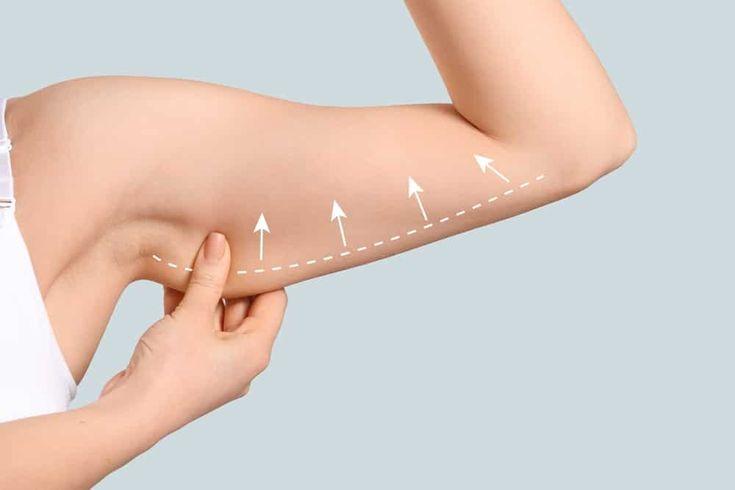
Lipedema is a chronic and often misunderstood condition that affects fat distribution, mobility, and overall comfort, particularly in women. Lipedema Treatment in Riyadh, Jeddah & Saudi Arabia focuses on addressing both the physical symptoms and emotional impact of this condition through medically guided, patient-centered care. With increasing awareness and advanced techniques, individuals can now explore solutions designed for long-term relief and improved daily function.
Lipoedema
Lipoedema (وذمة شحمية) is a progressive condition characterized by abnormal fat accumulation that does not respond to diet or exercise. It mostly affects women and is frequently misdiagnosed as obesity or simple weight gain.
Understanding Lipedema as a Medical Condition
Lipedema is not ordinary weight gain but a progressive disorder involving abnormal fat accumulation, commonly in the legs, hips, and arms. This condition often causes pain, tenderness, and easy bruising, which can worsen over time if left unmanaged. Early understanding helps individuals seek appropriate medical support rather than relying on ineffective self-care measures.
How Lipedema Differs from Obesity and Lymphedema
Unlike obesity, lipedema fat does not respond well to diet or exercise and remains disproportionate. It is also different from lymphedema, as swelling in lipedema is symmetrical and linked to fat tissue rather than lymphatic fluid buildup. Accurate differentiation ensures that patients receive targeted treatment instead of generalized weight-loss approaches.
Causes and Risk Factors Behind Lipedema
Although the exact cause of lipedema is still under study, hormonal changes play a significant role. It often appears during puberty, pregnancy, or menopause, suggesting estrogen involvement. Genetics may also contribute, as many patients report a family history of similar symptoms, highlighting the importance of medical evaluation.
Common Signs and Symptoms to Watch For
Persistent heaviness in the legs, pain when touched, and a column-like appearance of limbs are hallmark signs of lipedema. Swelling may worsen throughout the day, while feet typically remain unaffected. Recognizing these signs early allows for timely intervention and better symptom management over the long term.
Emotional and Psychological Impact of Lipedema
Beyond physical discomfort, lipedema can affect self-esteem and mental well-being. Many individuals experience frustration due to misdiagnosis or delayed treatment. Addressing emotional health alongside physical symptoms is a critical component of comprehensive care, helping patients regain confidence and a sense of control.
Importance of Early Diagnosis and Medical Assessment
Early diagnosis can slow disease progression and reduce complications. A thorough medical assessment includes physical examination and symptom history rather than reliance on weight or appearance alone. Prompt evaluation allows healthcare teams to create individualized management plans focused on long-term comfort and mobility.
Non-Surgical Lipedema Treatment Approaches
Non-surgical care forms the foundation of lipedema management, particularly in early stages. These approaches aim to reduce pain, swelling, and inflammation while improving circulation. Conservative treatments often work best when combined and tailored to individual symptom severity and lifestyle needs.
Compression Therapy for Symptom Control
Medical-grade compression garments help reduce swelling and discomfort by supporting lymphatic flow. When worn consistently, they can improve daily mobility and reduce pressure-related pain. Compression therapy is often recommended as part of an ongoing management routine for sustainable symptom relief.
Manual Lymphatic Drainage Techniques
Specialized massage techniques stimulate lymphatic circulation and reduce tissue congestion. While lipedema is not a lymphatic disease, this therapy can ease discomfort and prevent secondary swelling. Regular sessions may enhance comfort, especially when combined with compression and movement-based therapies.
Targeted Exercise and Movement Programs
Low-impact exercises such as swimming, walking, and resistance training help maintain joint health and muscle strength. Movement improves circulation without aggravating pain, supporting overall physical function. Exercise programs should be adapted to individual tolerance levels to ensure consistency and safety.
Advanced Medical Options for Lipedema Care
When conservative measures are insufficient, advanced medical interventions may be considered. These options focus on reducing diseased fat tissue while preserving surrounding structures. A medical evaluation determines suitability based on disease stage, overall health, and long-term treatment goals.
Specialized Lipedema-Focused Fat Reduction
Unlike standard cosmetic procedures, lipedema-focused fat reduction targets abnormal fat deposits specifically associated with the condition. These techniques aim to relieve pressure, reduce pain, and improve limb contour while supporting long-term functional improvement rather than aesthetic change alone.
Post-Treatment Recovery and Support
Recovery plays a vital role in achieving lasting results. Post-treatment care often includes compression, guided movement, and follow-up assessments. Ongoing support ensures healing progresses smoothly while helping patients adapt to physical changes with confidence and clarity.
Lifestyle Adjustments That Support Long-Term Relief
Daily habits significantly influence symptom progression. Anti-inflammatory nutrition, hydration, and stress management can support overall well-being. While lifestyle changes do not cure lipedema, they complement medical care and contribute to sustained comfort and improved energy levels.
Role of Nutrition in Managing Lipedema Symptoms
A balanced diet focusing on whole foods may help reduce inflammation and fluid retention. While no specific diet cures lipedema, nutritional strategies can support metabolic health and reduce symptom flare-ups. Professional guidance ensures dietary changes remain sustainable and personalized.
Managing Pain and Sensitivity Effectively
Pain management strategies focus on reducing tissue pressure and improving circulation. Gentle therapies, supportive garments, and appropriate movement can significantly ease sensitivity. Consistent symptom control enhances daily comfort and reduces the emotional burden associated with chronic pain.
Long-Term Outlook for Individuals with Lipedema
With proper management, many individuals experience improved mobility and reduced discomfort. Lipedema is a chronic condition, but proactive care helps maintain quality of life. Long-term success depends on ongoing monitoring, personalized treatment adjustments, and patient education.
Why Specialized Care Matters in Lipedema Management
General weight-loss approaches often fail to address lipedema effectively. Specialized care ensures treatment plans reflect the unique nature of the condition. Access to experienced medical teams improves diagnostic accuracy and supports comprehensive, evidence-based management strategies.
Growing Awareness and Treatment Advancements in Saudi Arabia
Medical awareness of lipedema continues to grow, leading to better diagnostic standards and treatment accessibility. Lipedema Treatment in Riyadh, Jeddah & Saudi Arabia reflects this progress, offering patients access to structured care pathways designed around modern medical understanding and patient needs.
Building a Personalized Lipedema Treatment Plan
No two cases of lipedema are identical, making personalized planning essential. Treatment plans often combine conservative therapies, medical interventions, and lifestyle strategies. Regular reassessment ensures that care evolves alongside symptom changes and long-term health goals.
The Importance of Patient Education and Empowerment
Understanding lipedema empowers patients to participate actively in their care. Education reduces stigma, improves treatment adherence, and supports informed decision-making. Knowledge fosters realistic expectations and encourages consistency, which is key to achieving sustainable symptom relief.
When to Seek Professional Help for Lipedema
Persistent pain, swelling, or disproportionate fat distribution should not be ignored. Seeking professional guidance early can prevent disease progression and complications. Medical consultation provides clarity, validation, and access to appropriate treatment options.
Choosing the Right Clinic for Lipedema Care
Selecting a clinic experienced in managing lipedema is crucial for optimal outcomes. Comprehensive assessments, individualized plans, and ongoing support distinguish quality care. Patients benefit from environments that prioritize education, safety, and long-term wellness.
Commitment to Ongoing Care and Monitoring
Lipedema management is an ongoing journey rather than a one-time solution. Regular follow-ups help track progress and adjust treatments as needed. Consistent care supports physical comfort, emotional well-being, and sustained functional improvement over time.
Taking the First Step Toward Symptom Relief
Living with lipedema can be challenging, but effective care options are available. Lipedema Treatment in Riyadh, Jeddah & Saudi Arabia offers structured pathways toward comfort and mobility. For those seeking trusted, patient-focused care, Royal Clinic Saudia (عيادة رويال السعودية) provides comprehensive support designed to help individuals move forward with confidence and clarity.
Frequently Asked Questions
What is the main goal of lipedema treatment?
The primary goal is to reduce pain, swelling, and disease progression while improving mobility and daily comfort. Treatment focuses on long-term symptom management rather than short-term cosmetic changes.
Can lipedema be managed without surgery?
Yes, many patients benefit from non-surgical approaches such as compression therapy, guided exercise, and supportive lifestyle changes. These methods are especially effective in early or moderate stages of the condition.
How long does it take to see improvement with treatment?
Improvement timelines vary depending on disease stage and treatment type. Some patients notice reduced discomfort within weeks, while others experience gradual progress over several months with consistent care.
Is lipedema treatment a one-time process?
Lipedema management is ongoing and requires regular monitoring. While certain treatments provide long-lasting benefits, continued care helps maintain results and adapt to changing symptoms over time.
Категории
Больше
Starting a small business can be one of the most rewarding ventures in life. It offers independence, the chance to follow your passion, and the opportunity to create something meaningful. However, the journey requires planning, dedication, and strategic thinking. Knowing the right steps to take can increase your chances of building a sustainable and profitable business. Identify Your Business...

The search for a reliable and rewarding online betting platform has led many Filipino players to discover the growing popularity of 1xbet free promo code Philippines offers. In recent years, online betting and casino gaming have become more accessible in the country, and 1xbet has positioned itself as one of the most attractive platforms for both beginners and experienced players. The...
bl555.systems là nền tảng cá cược trực tuyến nổi bật nhờ khả năng mang đến trải nghiệm giải trí toàn diện cho người dùng hiện đại. người chơi sẽ ấn tượng với giao diện được thiết kế rõ ràng, dễ sử dụng và tối ưu trên mọi thiết bị. Dù là người mới hay đã có kinh nghiệm, việc thao tác tại BL555 đều...

Polaris Market Research has introduced the latest market research report titled Electronic Accessories Market Size, Share, Trends, Industry Analysis Report By Product Type (Mobile Accessories, Computer Accessories, Audio Accessories), By Connectivity Type, By Distribution Channel, By Price Range, By Region – Market Forecast, 2025–2034 that highlights the major revenue...
Laboratory Plasticware Market Growth Accelerates with Expanding Research and Healthcare Infrastructure The Laboratory Plasticware Market is witnessing steady expansion as laboratories worldwide increasingly adopt cost-effective and durable plastic solutions for research and diagnostic applications. The Laboratory Plasticware Market Size was valued at USD...