


Bariatric Surgery: More Than Weight Loss
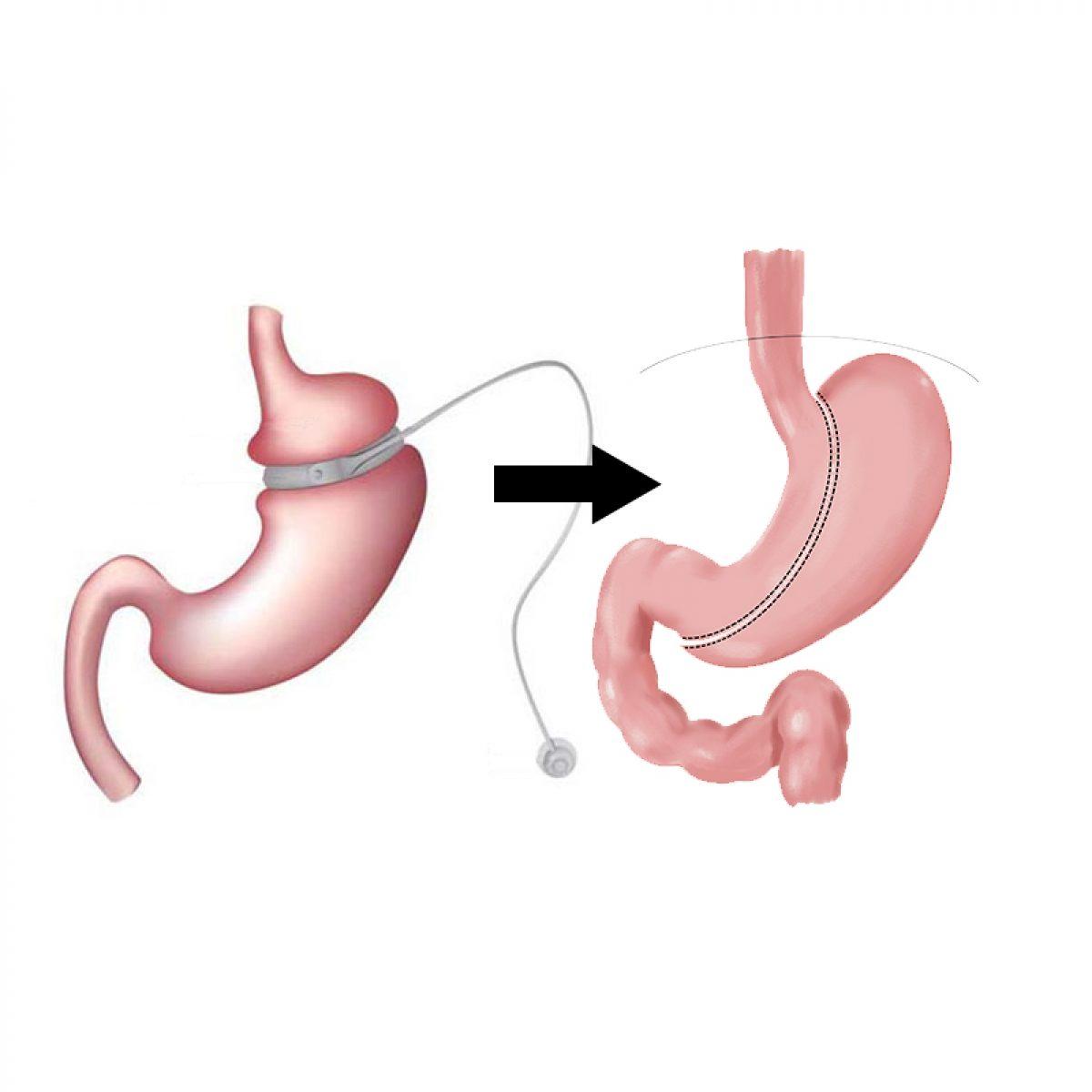
Obesity is a complex health condition that affects millions of people worldwide. Beyond its impact on appearance, excess weight can increase the risk of serious medical conditions such as type 2 diabetes, high blood pressure, heart disease, sleep apnea, joint problems, and reduced mobility. For many individuals, traditional weight-loss methods like dieting and exercise may offer limited results or only temporary success. Bariatric surgery provides a medically proven solution that is more than just weight loss—it’s a pathway to improved health, confidence, and quality of life.
Understanding Bariatric Surgery
Bariatric surgery refers to a set of surgical procedures designed to help individuals achieve sustainable weight loss by modifying the digestive system. These procedures may reduce the size of the stomach, limit calorie absorption, or influence hormones that control hunger and fullness. Bariatric surgery is not a cosmetic procedure; it is a medical treatment for obesity and its associated health conditions.
Common procedures include gastric sleeve surgery, gastric bypass, mini gastric bypass, adjustable gastric banding, and duodenal switch. The choice of procedure is tailored to the patient’s body mass index (BMI), overall health, lifestyle, and long-term goals.
Beyond the Numbers on the Scale
While weight loss is the most obvious benefit of bariatric surgery, the procedure offers a wide range of health improvements that go far beyond shedding pounds. Many patients experience significant reductions or even complete resolution of obesity-related conditions such as type 2 diabetes, high cholesterol, high blood pressure, and sleep apnea. Joint pain often decreases, allowing for increased mobility and a more active lifestyle.
In addition to physical health benefits, bariatric surgery can improve emotional and psychological well-being. Many patients report increased self-confidence, reduced anxiety about weight-related issues, and a renewed sense of control over their lives. By addressing both physical and emotional aspects of obesity, bariatric surgery promotes holistic health.
Types of Bariatric Surgery
Gastric Sleeve (Sleeve Gastrectomy):
Removes a large portion of the stomach, leaving a smaller, tube-shaped stomach. This reduces hunger hormones and limits food intake, making it a highly effective option for weight loss.
Gastric Bypass (Roux-en-Y):
Creates a small stomach pouch and reroutes part of the small intestine. This reduces calorie absorption and leads to substantial, long-term weight loss, particularly beneficial for patients with type 2 diabetes.
Mini Gastric Bypass:
A simplified version of traditional gastric bypass, offering effective weight loss with shorter surgery time and fewer surgical connections.
Adjustable Gastric Band:
Places a silicone band around the upper stomach to control portion size. While reversible, this option is less commonly used today due to slower and less predictable results.
Duodenal Switch:
Combines stomach reduction with intestinal bypass, typically recommended for patients with a very high BMI who require maximum weight loss. It requires careful lifelong nutritional monitoring.
Recovery and Long-Term Success
Bariatric surgery is a transformative tool, but long-term success depends on lifestyle changes and adherence to medical guidance. After surgery, patients follow a structured dietary plan, progressing from liquids to soft foods and eventually solid meals. Proper nutrition, high protein intake, hydration, and vitamin supplementation are essential to support recovery and overall health.
Regular physical activity is critical for maintaining weight loss, improving cardiovascular health, and boosting mental well-being. Ongoing follow-up with the bariatric care team ensures progress, addresses challenges, and provides support throughout the journey.
Who Should Consider Bariatric Surgery?
Bariatric surgery is typically recommended for individuals with a BMI of 40 or higher, or a BMI of 35 or higher with obesity-related medical conditions. Ideal candidates are motivated to make long-term lifestyle changes, committed to following post-operative guidelines, and ready to embrace the health benefits that go far beyond weight loss.
A thorough evaluation by a bariatric specialist helps determine the most suitable procedure, ensuring safety and personalized care.
A Life-Changing Choice
Bariatric surgery is more than a tool for losing weight—it is a comprehensive approach to improving health, enhancing quality of life, and building confidence. By addressing the physical, metabolic, and emotional challenges of obesity, it empowers patients to take control of their health and create lasting change.
With expert care, personalized planning, and dedication to a healthier lifestyle, bariatric surgery can transform lives, offering patients not just a smaller waistline, but a healthier, more active, and more fulfilling future.
Catégories
Lire la suite
Visit My Website : https://arpitasinha.in/bangalore-call-girls.html Bangalore Escorts Gives You 100% Erotic Satisfaction As much as many may Bangalore Escorts as being sexual, their true role can often go unseen. Beyond sexual services, escorts provide companionship, social presence and emotional support to adults who value discretion and respect; visitors to an area can use them...

What’s Fueling Executive Summary Ophthalmic Operational Microscope Market Size and Share Growth Global ophthalmic operational microscope market is expected to reach USD 2.80 billion by 2032 from USD 1.44 billion in 2024, growing at a CAGR of 8.7% in the forecast period of 2025 to 2032 To formulate an all-inclusive Ophthalmic Operational Microscope Market report, detailed market...

In modern software development, APIs serve as the backbone of communication between applications and services. Among different API styles, REST (Representational State Transfer) remains the most widely used due to its simplicity, scalability, and compatibility across platforms. To ensure that APIs behave as expected, developers and QA teams rely on REST API testing. This type of testing...

The landscape of financial technology is shifting from passive observation to active participation. For years, fintech was defined by better banking interfaces or faster payment processing. However, a new asset class has emerged that bypasses traditional market sentiment: the prediction market. For entrepreneurs, this isn’t just a niche trend; it is a fundamental restructuring of how...

Executive Summary Autonomous Robot Market Size and Share Forecast CAGR Value Global autonomous robot market size was valued at USD 5.16 billion in 2024 and is projected to reach USD 15.87 billion by 2032, with a CAGR of 15.1% during the forecast period of 2025 to 2032. Autonomous Robot Market report works very well for initiating and enhancing the strategies for sales, advertising,...