


Discussing more about C4 Transmission
This article explores the C4 Transmission as a cornerstone of automotive heritage, positioning it as a defiant counterpoint to modern, software-driven drivetrains. Developed by Ford in 1964, the C4 quickly became known for its rugged simplicity and adaptable design. Rather than chasing innovation through complexity, it focused on delivering reliable performance through a three-speed automatic layout that favored mechanical clarity over electronic sophistication. Its aluminum case and robust internals allowed it to remain both lightweight and resilient, especially when paired with high-torque V8 engines.
The C4’s mechanical philosophy is central to its enduring reputation. Using hydraulic control systems, vacuum modulators, and band-based gear engagement, it provided smooth yet decisive shifts without relying on digital intervention. This simplicity has allowed it to age gracefully, avoiding many of the failure points common in modern transmissions. As a result, it has become a favorite among builders who value predictability, ease of maintenance, and mechanical authenticity.
The article highlights a growing renaissance in C4 rebuilds and upgrades. Modern enthusiasts are increasingly drawn to its serviceability and modular nature. Transmission specialists now enhance the C4 with contemporary materials and performance components, effectively blending classic engineering with modern durability. These upgrades have expanded its torque capacity dramatically, making it suitable for drag racing and high-performance street applications.
Another major theme is versatility. Over time, the C4 evolved through several versions while retaining its fundamental design principles. Its compatibility with aftermarket bellhousings has enabled its use far beyond traditional Ford platforms, appearing in Jeeps, drag cars, and experimental builds. On the drag strip, the C4 is especially revered for its fast engagement, low parasitic loss, and ability to handle extreme torque when properly built.
In its conclusion, the article argues that the C4 Transmission remains relevant because it represents a deeper automotive philosophy. As the industry moves toward electrification and automated control, the C4 serves as a reminder of a time when driving was defined by tactile feedback and mechanical connection. Rather than being obsolete, the C4 persists as a functional legacy—proof that thoughtful engineering can outlast generations of technological change.
Catégories
Lire la suite
" According to the latest report published by Data Bridge Market Research, the Europe Medical Foods for Inborn Errors of Metabolism Market Data Bridge Market Research analyses that the medical foods for inborn errors of metabolism market which is USD 531.59 million in 2022, is expected to reach USD 1354.28 million by 2030, at a CAGR of 12.4% during the forecast period 2023 to 2030.All...

The Event Stream Processing (ESP) Market is experiencing strong growth as organizations increasingly rely on real-time data processing to drive faster decision-making and operational efficiency. The market was valued at USD 3.41 billion in 2025 and is projected to reach USD 16.08 billion by 2035, growing at a CAGR of 16.97% during the forecast period 2026–2035. Event stream processing...

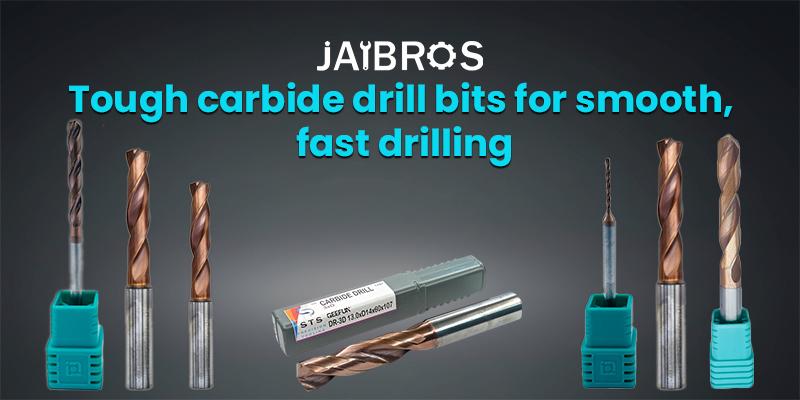
Find the best carbide drills for precision machining. Learn how to choose durable, high-performance tools to boost productivity in manufacturing. How to Choose the Right Carbide Drill for Maximum Precision In today’s manufacturing industry, where precision and productivity drive success, selecting the right carbide drills can make all the difference. Whether you are handling CNC...
Dedicated AutoCAD Conversion Services support UK contractors working with archived drawings, non-editable files, outdated plans, and scanned documentation. Optimar Precon converts them into usable CAD files. Connect with Optimar Precon for reliable drawing conversion assistance.
Packaging continues to influence the way products are stored, transported, displayed, and delivered across global markets. As industries search for adaptable materials capable of supporting diverse applications, PE Shrink Film has become an important option for many businesses, while jtpackage continues to focus on packaging solutions designed to meet changing operational requirements. The role...
