


Irs Tax Relief Services

Owing money to the Internal Revenue Service (IRS) can be a source of immense stress and anxiety. The fear of wage garnishment, bank levies, or property liens is real and overwhelming. However, the IRS is not an immutable collection machine; it has established multiple programs designed to help taxpayers resolve their debt and achieve a fresh start. These are collectively known as IRS Tax Relief Services.
This article demystifies what tax relief is, outlines the official programs available, and provides guidance on navigating the process, whether on your own or with professional help.
What Are IRS Tax Relief Services?
IRS tax relief services encompass a range of programs and strategies that allow qualified taxpayers to settle or manage their tax debt for less than the full amount owed or under more manageable terms. The goal is to bring a taxpayer back into compliance while acknowledging financial hardship.
It’s crucial to distinguish between two types of providers:
-
The IRS Itself: The agency administers all relief programs directly and for free.
-
Private Tax Relief Companies: These firms, often staffed by tax attorneys, enrolled agents, or CPAs, offer to represent you before the IRS for a fee. They can be invaluable for complex cases but require careful vetting.
Key IRS Tax Relief Programs
Understanding the official options is the first step. Here are the primary forms of relief:
1. Offer in Compromise (OIC)
Often called the "tax debt settlement" program, an OIC allows you to settle your tax debt for less than the full amount you owe. The IRS will accept an OIC if they believe it’s the maximum they can collect within a reasonable period, or if doubt exists about the legality of the tax assessed. Acceptance is not guaranteed and depends on a strict formula evaluating your Ability to Pay (income, expenses, asset equity).
2. Installment Agreement
This is a monthly payment plan. The IRS offers several types:
-
Guaranteed Installment Agreement: Available if you owe $10,000 or less and meet certain criteria.
-
Streamlined Installment Agreement: For individuals owing $50,000 or less and businesses owing $25,000 or less, allowing for a setup without full financial disclosure.
-
Partial Payment Installment Agreement (PPIA): You pay a monthly amount, but the debt may not be fully paid by the end of the collection statute. The IRS reviews your financial situation every two years to adjust payments.
3. Currently Not Collectible (CNC) Status
If the IRS determines you have no ability to pay your basic living expenses and your tax debt, they may place your account in CNC status. While the debt remains and accrues penalties and interest, enforced collection actions (like garnishments) are suspended. This is a temporary status reviewed annually.
4. Penalty Abatement
The IRS may remove penalties for failure-to-file or failure-to-pay if you can show "reasonable cause" (e.g., serious illness, natural disaster, erroneous advice from the IRS). First-time penalty abatement is also available as a one-time administrative waiver for taxpayers with a clean compliance history for the prior three years.
5. Innocent Spouse Relief
This provides relief from joint tax liability for individuals who filed a joint return but should not be held responsible for the tax debt due to the actions (or inactions) of their spouse or former spouse.
The Process: Steps to Seek Tax Relief
-
File All Past Due Returns: You cannot access most relief programs without being current on all required tax filings.
-
Determine Your Eligibility: Carefully review IRS guidelines or consult a professional to see which program fits your financial situation.
-
Gather Financial Documentation: Be prepared to provide extensive proof of your financial state—bank statements, pay stubs, expense records, asset valuations.
-
Submit the Formal Application: This could be Form 656 for an OIC, Form 9465 for an installment agreement, or Form 433 series for financial verification.
-
Communicate & Negotiate: The IRS will review your application and may request additional information. Clear, timely communication is essential.
Should You Hire a Professional Tax Relief Service?
You may benefit from professional help if:
-
You owe a substantial amount (e.g., over $10,000).
-
You are facing liens, levies, or garnishments.
-
The process feels too complex or intimidating.
-
You have previously been denied relief.
Red Flags to Watch for in Tax Relief Companies:
-
Guarantees of Specific Outcomes: No one can guarantee the IRS will accept an offer.
-
High Upfront Fees: Be wary of firms demanding large payments before any work is done.
-
"Pennies on the Dollar" Promises: This is a marketing slogan; only a small percentage of OICs are approved.
-
Pressure Tactics: Legitimate firms provide clear, transparent advice without high-pressure sales.
Conclusion: A Path to Financial Resolution
Tax debt does not have to be a life sentence. The IRS tax relief system exists precisely for those who are willing to address their debt but need a feasible path forward. Whether you choose to pursue relief directly through the IRS.gov website or seek the advocacy of a qualified tax professional, taking proactive steps is the only way to resolve the issue.
Start by getting informed, organize your financial information, and remember that the worst action is inaction. With the right approach, tax relief can provide the peace of mind and financial stability you need to move forward.
Categorias
Leia mais
Slot Online refers to digital slot games that can be played over the internet through computers, smartphones, and tablets. These games are the online versions of traditional slot machines found in land-based casinos, but with added features, better graphics, and greater convenience. Slot Online has become one of the most popular forms of online entertainment because it is easy to play, visually...

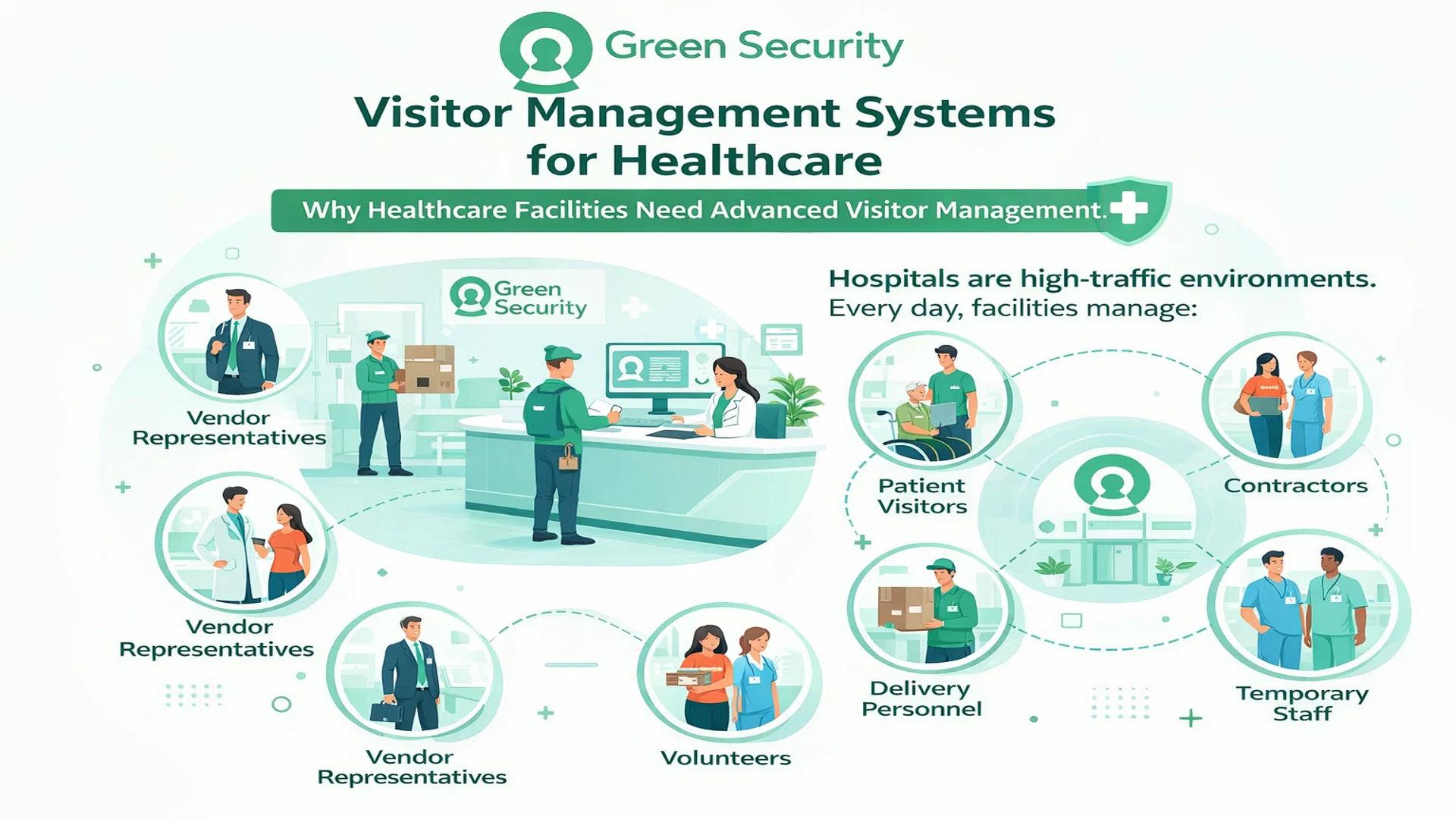
Healthcare facilities face growing security challenges. From vendors and contractors to patient guests and delivery personnel, hospitals must balance open access with strict compliance requirements. A modern Visitor Management System (VMS) helps protect what matters most — patients, staff, and sensitive environments — by identifying risks before they enter your facility. At Green...
Advance your international career with expert support for global talent visa tech nation applications through horizonbloomconsulting.com, offering professional guidance, eligibility insights, and strategic preparation for skilled individuals seeking opportunities in the UK. https://horizonbloomconsulting.com/

When it comes to unforgettable moments of relaxation, indulgence, and pure sensory pleasure, nothing compares to Premium Erotic Massages Marbella from Banus Massage. If you've been searching for a luxurious escape that combines elegance, discretion, and exceptional service, you've just found the destination that exceeds every expectation. Life moves fast, stress builds up, and...

According to the latest report published by Data Bridge Market Research, the Patch Management Market CAGR Value The global Patch Management market size was valued at USD 710.3 million in 2024 and is expected to reach USD 990.3 million by 2032, at a CAGR of 10.5% during the forecast period This world-wide Patch Management Market report is...