


How Do Fire Damage Restoration Specialists Assess Structural Safety and Coordinate Repairs with Fire Damage Repair Experts?
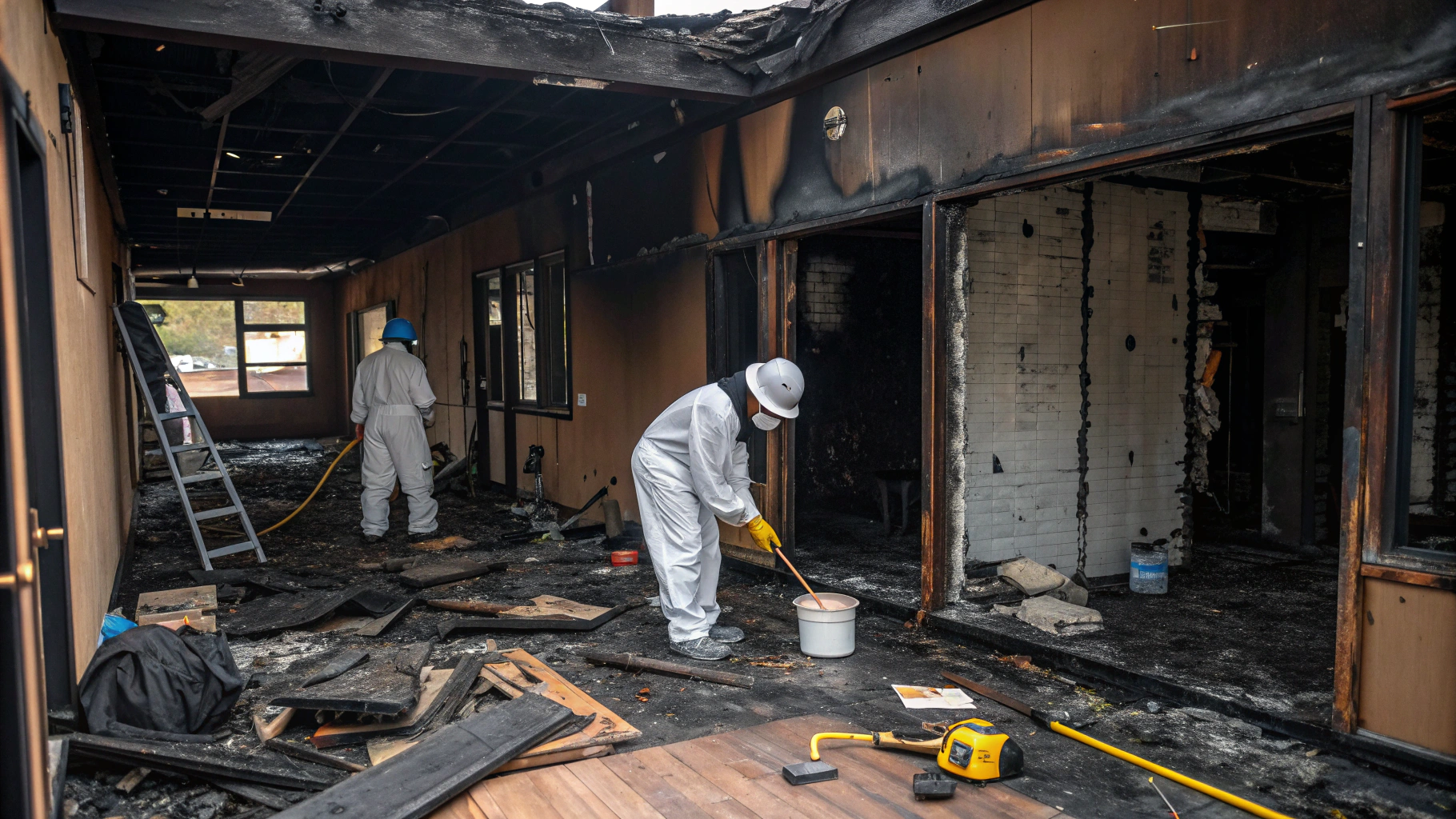
Fire damage restoration specialists play a vital role in ensuring buildings are safe after a fire. They assess structural integrity by inspecting walls, beams, roofs, and foundations for hidden damage. Using advanced tools, they identify smoke, water, and electrical hazards. They also document damage for insurance and create restoration plans. By coordinating with fire damage repair professionals, contractors, and engineers, they ensure repairs meet safety standards and the property is fully restored for safe occupancy.
-
Introduction
A fire can leave behind more than visible destruction. Even after the flames are extinguished, the building may still be unsafe due to weakened structural components, smoke contamination, and hidden damage. This is where fire damage restoration specialists play a critical role.
They don’t just clean up the mess, they ensure the property is structurally sound and coordinate repairs with skilled fire damage repair professionals to restore the building safely and efficiently.
In this blog, we’ll explore how these professionals assess structural safety and manage the repair process step by step.
Understanding the Role of Fire Damage Restoration Specialists
Fire damage restoration specialists are trained professionals responsible for:
-
Inspecting fire-affected structures
-
Identifying visible and hidden damage
-
Preventing further deterioration
-
Coordinating cleanup and repairs
-
Ensuring the building is safe for occupancy
Their work is essential in bridging the gap between emergency response and full property restoration.
Step 1: Initial Safety Inspection After the Fire
The first priority after a fire is safety.
Immediate Site Assessment Includes:
-
Checking for unstable walls or ceilings
-
Looking for collapsed or weakened structural supports
-
Identifying fire hotspots that may reignite
-
Evaluating electrical hazards and gas leaks
Fire damage restoration specialists often work alongside fire departments and structural engineers before allowing anyone inside the property.
Step 2: Structural Safety Assessment
Fire can compromise the integrity of a building in ways that are not always obvious.
Key Areas Specialists Examine
1. Load-Bearing Walls and Support Beams
Extreme heat can weaken wood, steel, and concrete. Specialists inspect:
-
Warping
-
Cracking
-
Charring depth
-
Structural shifting
2. Roof and Ceiling Stability
Fire damage repair professionals are often consulted if:
-
Roof trusses are burned
-
Ceiling joists are sagging
-
Smoke and heat have weakened attic supports
3. Foundation and Concrete Damage
High temperatures can cause concrete to:
-
Spall (surface flaking)
-
Crack internally
-
Lose strength
Specialists may use thermal imaging or engineering evaluations for deeper analysis.
Step 3: Identifying Hidden Fire and Smoke Damage
Not all damage is visible. Fire damage restoration Professionals use advanced tools to detect issues behind walls and under floors.
Common Hidden Hazards Include:
-
Smoke infiltration into insulation
-
Electrical wiring damage
-
Water damage from firefighting efforts
-
Mold growth in damp areas
This stage ensures that no overlooked damage becomes a future safety risk.
Step 4: Documenting Damage for Insurance and Repair Planning
Accurate documentation is essential for both repair coordination and insurance claims.
Restoration Specialists Provide:
-
Photo and video evidence
-
Detailed structural reports
-
Itemized lists of damaged materials
-
Repair recommendations
This helps fire damage repair professionals develop an efficient repair plan while supporting the homeowner’s insurance process.
Step 5: Creating a Restoration and Repair Strategy
Once the property is assessed, specialists design a step-by-step restoration roadmap.
Restoration Plan Typically Covers:
-
Emergency board-up and tarping
-
Smoke and soot cleanup
-
Structural stabilization
-
Demolition of unsafe materials
-
Full reconstruction and repair
This plan ensures repairs are done safely, logically, and in compliance with building codes.
Step 6: Coordinating Repairs with Fire Damage Repair Experts
Fire restoration is a team effort. Specialists coordinate with repair professionals such as:
-
Contractors
-
Structural engineers
-
Electricians
-
Plumbers
-
HVAC technicians
Key Coordination Tasks Include:
-
Scheduling repair phases
-
Communicating safety concerns
-
Ensuring repairs match restoration standards
-
Preventing delays or overlapping work
This collaboration ensures that repairs restore both function and safety.
Step 7: Structural Stabilization Before Major Repairs
Before rebuilding begins, specialists may implement stabilization measures.
Examples Include:
-
Installing temporary support beams
-
Reinforcing weakened walls
-
Securing damaged roofing
-
Removing debris that threatens collapse
Fire damage repair professionals rely on these preparations to safely start reconstruction.
Step 8: Repair Execution and Ongoing Safety Monitoring
During repairs, restoration specialists continue monitoring the structure.
They Ensure:
-
Damaged materials are properly removed
-
Repairs meet safety codes
-
Smoke contamination is eliminated
-
No secondary damage occurs
This ongoing oversight prevents incomplete restoration or unsafe rebuilding.
Step 9: Final Inspection and Clearance for Occupancy
After repairs are completed, a final assessment is conducted.
Final Safety Checks Include:
-
Structural integrity confirmation
-
Air quality testing
-
Electrical system safety verification
-
Mold and moisture inspection
Only after passing these evaluations is the property deemed safe for re-entry.
Final Thought
In the aftermath of a fire, restoring a property safely requires more than surface-level repairs. Fire damage restoration Professionals bring together technical expertise, careful structural evaluation, and coordinated planning to ensure every damaged element is addressed correctly. By working closely with fire damage repair experts throughout the restoration process, they help eliminate hidden risks, maintain compliance with safety standards, and ensure repairs are completed efficiently. This collaborative approach not only protects the structural integrity of the building but also gives property owners confidence that their space is truly safe to reoccupy.
Catégories
Lire la suite
A brush cutter supplier for sale provides equipment designed for landscaping professionals, gardeners, and property maintenance teams who manage vegetation in outdoor spaces. These tools are commonly used to trim grass, clear overgrown areas, and maintain tidy surroundings in parks, residential gardens, and roadside zones. Their structure allows users to work in areas where larger mowing...

The global AI in Aviation Market is set to experience unprecedented growth as artificial intelligence transforms the aviation industry through automation, predictive analytics, and intelligent decision-making systems. Valued at USD 8.63 billion in 2025E, the market is projected to skyrocket to USD 171.53 billion by 2033, expanding at an exceptional CAGR of 45.33% during the forecast period...

" According to the latest report published by Data Bridge Market Research, the HER2 Positive Breast Cancer Treatment Market The global HER2 Positive Breast Cancer Treatment market size was valued at USD 11.14 billion in 2025 and is expected to reach USD 12.54 billion by 2033, at a CAGR of 1.50% during the forecast period The HER2 Positive Breast Cancer...

Celebrate the energy of a "command-level" lifestyle with a Star Trek TNG Picard jacket range that offers an unparalleled level of sophistication. Inspired by the resurgence of archival sci-fi aesthetics, these jackets utilize deep command-red tones and high-contrast textures to create a versatile, forward-thinking aesthetic. Stand out as a symbol of leadership with a jacket built to the highest...

How to Give Yourself a Buzz Cut at Home: The Complete Step-by-Step Guide Cutting your own hair sounds intimidating until you actually try it. A buzz cut is one of the most forgiving styles to attempt solo, since it depends on consistent guard lengths and steady clipper work rather than scissor precision or freehand blending. For more detailed guides on clipper cuts and home grooming, visit Apex...
