How Medical Practices Improve Patient Retention

The healthcare industry continues evolving with new digital solutions for better patient care. Medical practices now recognize that keeping existing patients matters more than acquiring new ones. Personalized digital communication has become a powerful tool for healthcare providers. This approach helps build stronger relationships between doctors and their patients. Modern technology allows medical offices to send targeted messages that resonate with individual needs. Patients expect timely, relevant information about their health and wellness journey. Smart communication strategies create lasting connections that improve overall patient satisfaction and loyalty.
The Growing Importance of Patient Retention in Healthcare
Patient retention directly impacts the financial health of medical practices across the country. Research shows that retaining existing patients costs significantly less than acquiring new ones. Loyal patients generate consistent revenue through regular visits and treatment compliance. They also become valuable advocates who refer friends and family members willingly.
Medical practices lose substantial revenue when patients switch to competing providers or facilities. The competitive healthcare landscape demands innovative approaches to maintain strong patient relationships. Digital communication offers cost-effective solutions that traditional methods simply cannot match today.
Understanding Personalized Digital Communication in Medical Settings
Personalized communication goes beyond addressing patients by their first names in messages. It involves tailoring content based on individual health conditions, preferences, and medical histories. Healthcare providers collect valuable data during each patient interaction and appointment cycle.
This information enables practices to segment their patient base into meaningful groups. Doctors can send diabetes management tips to affected patients specifically and exclusively. Women receive mammogram reminders at appropriate ages without overwhelming other patient demographics.
The technology behind personalization includes customer relationship management systems and automated messaging platforms. These tools track patient behaviors, appointment patterns, and communication preferences across multiple channels. Medical staff can then deliver the right message through preferred channels effectively.
Key Digital Channels for Patient Communication
Email remains one of the most effective channels for healthcare communication today. Healthcare email marketing allows practices to share educational content, appointment reminders, and wellness tips. Patients appreciate receiving valuable information directly in their inboxes at convenient times.
Text messaging offers immediate delivery for time-sensitive communications like appointment confirmations and reminders. Most patients check text messages within minutes of receiving them on mobile devices. This channel proves particularly effective for reducing no-show rates at medical offices.
Patient portals provide secure platforms for two-way communication between providers and patients. Patients access test results, request prescription refills, and ask non-urgent questions conveniently. These portals encourage active participation in personal healthcare management and treatment decisions.
Social media platforms help practices share general health information with broader community audiences. While not ideal for personal medical communication, they build brand awareness effectively. Practices showcase their expertise through helpful content that educates and informs followers.
Strategies for Implementing Personalized Communication Programs
Medical practices must first audit their current communication methods and identify improvement areas. Understanding patient demographics helps create relevant segments for targeted messaging and outreach campaigns. Technology investments should align with specific practice goals and patient population characteristics.
Staff training ensures everyone understands the importance of personalized communication in daily operations. Team members need proper guidance on using new digital tools and platforms effectively. Clear protocols prevent confusion and maintain consistency across all patient touchpoints consistently.
Content creation requires balancing medical expertise with accessible language that patients easily understand. Healthcare email marketing campaigns should provide value beyond simple promotional messages and advertisements. Educational content builds trust while positioning the practice as a reliable health resource.
Automation saves time while maintaining the personal touch that patients value in communications. Triggered messages based on specific patient actions create timely, relevant interactions naturally. Birthday wishes, annual checkup reminders, and health milestone celebrations strengthen emotional connections.
Measuring Success and Optimizing Communication Efforts
Medical practices need clear metrics to evaluate their digital communication program effectiveness. Patient retention rates serve as the primary indicator of program success overall. Tracking appointment attendance, cancellation rates, and rebooking patterns provides valuable performance insights.
Engagement metrics reveal how patients interact with different types of digital communications. Email open rates, click-through rates, and response times indicate content relevance effectively. Text message response rates and portal login frequency show patient participation levels.
Patient satisfaction surveys gather direct feedback about communication preferences and content quality. This qualitative data complements quantitative metrics for a comprehensive performance picture. Regular analysis helps practices refine their strategies and improve results continuously.
Testing different message formats, sending times, and content types optimizes communication effectiveness. Small adjustments often lead to significant improvements in patient engagement and response. Data-driven decisions replace guesswork and create more predictable outcomes for practices.
Overcoming Common Challenges in Digital Patient Communication
Privacy concerns remain paramount when implementing any digital communication strategy in healthcare settings. Medical practices must comply with HIPAA regulations and protect patient information rigorously. Secure communication platforms and proper staff training minimize risks of data breaches.
Technology adoption varies widely among different patient age groups and demographic segments. Older patients may prefer phone calls while younger generations embrace digital channels. Offering multiple communication options ensures no patient group feels excluded or overlooked.
Resource constraints challenge smaller practices trying to implement sophisticated communication programs independently. Cloud-based solutions offer affordable alternatives to expensive custom-built systems and infrastructure. Many vendors provide healthcare-specific platforms designed for practices with limited technical staff.
Message fatigue occurs when patients receive too many communications from their healthcare providers. Finding the right frequency prevents overwhelming patients while maintaining consistent engagement levels. Quality always trumps quantity in building meaningful patient relationships through digital channels.
Conclusion
Personalized digital communication transforms how medical practices connect with and retain their patients. Strategic use of email, text messaging, and patient portals creates meaningful engagement opportunities. Healthcare providers who invest in these technologies see improved retention rates and satisfaction. Successful implementation requires proper planning, staff training, and continuous optimization of communication strategies. Medical practices that prioritize personalized digital communication build stronger, more loyal patient relationships.
Categories
Read More
Choosing the right commercial vehicle is one of the most important decisions for any business. Whether you operate in logistics, construction, agriculture, retail distribution, or local transportation, investing in dependable vehicles helps improve productivity while reducing operating costs. If you are searching for trucks in Rampura Phul, it is essential to select a trusted brand known...

Polaris Market Research has published a brand-new report titled Energy Drinks Market Share, Size, Trends & Industry Analysis Report By Product (Non-alcoholic, Alcoholic); By Type; By Distribution; By Region, Segment Forecasts, 2025 - 2034 that includes extensive information and analysis of the industry dynamics. The opportunities and challenges in the report's dynamical trends...

DG Club Referral Code: Complete Referral & Registration Guide Introduction Referral programs make it easier for online platforms to grow their communities by allowing existing users to invite new members. A referral code connects a new account with the official invitation system and may provide access to referral campaigns or promotional opportunities, depending on the platform's current...

Understanding Florida Homeowners AssociationsHomeowners Associations, commonly known as HOAs, play a significant role in the management and regulation of residential communities throughout Florida. These organizations are designed to maintain property values, oversee community amenities, and enforce community rules and regulations. HOAs vary widely in size and scope, ranging from small...

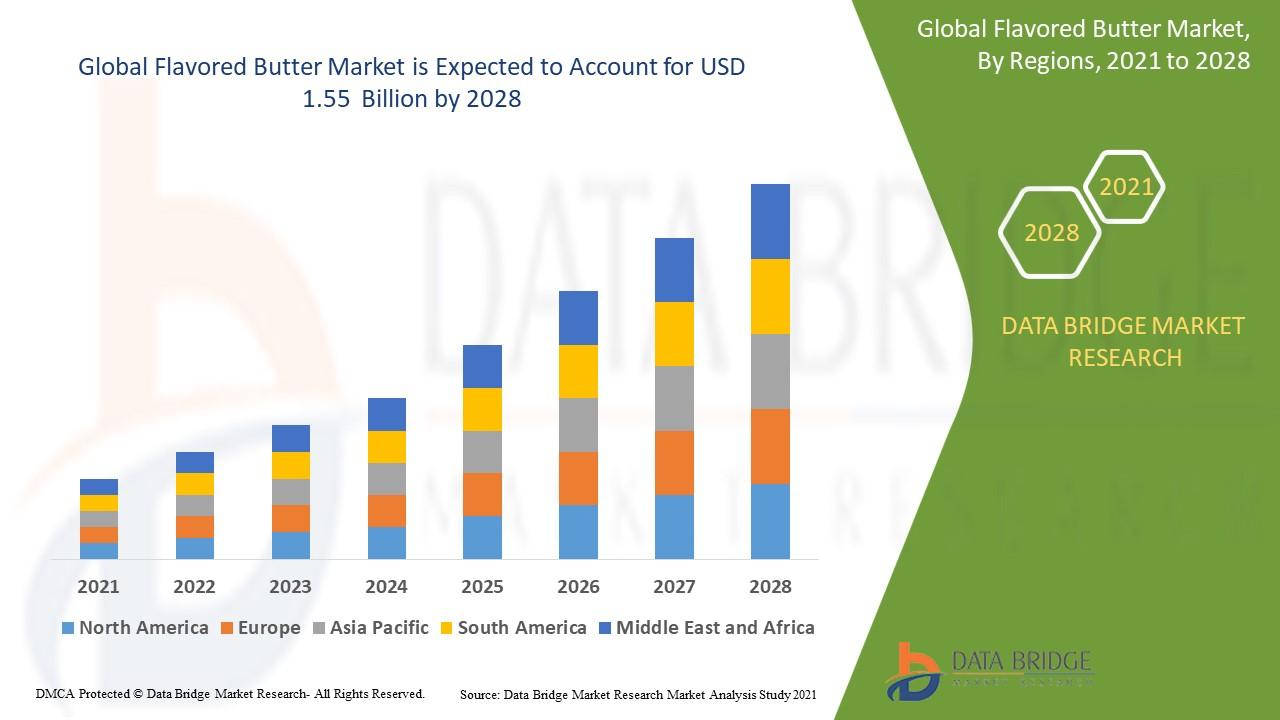
"Executive Summary Flavored Butter Market: Growth Trends and Share Breakdown Data Bridge Market Research analyses that the global flavored butter market will project a CAGR of 3.2% for the forecast period of 2021-2028. In this competitive marketplace, businesses are always in struggle to seek better solutions in terms of product trends, future products, marketing strategy, future events,...