Turn Challenges into Growth: A Guide to Business Recovery Success

Organizations occasionally encounter periods of significant strain where operational pressures mount and financial stability wavers. Leaders in these situations often search for reliable methods to stabilize conditions and restore growth trajectories. Structured frameworks provide clarity by breaking complex challenges into manageable phases emphasizing coordination among those involved. Such approaches recognize that recovery depends not solely on isolated fixes but on unified efforts that address root issues comprehensively.
Successful paths forward integrate external insights with internal resolve and external support networks. This synergy creates momentum capable of reversing declines and positioning companies for renewed strength. Enterprises that embrace these interconnected dynamics frequently emerge more resilient adapting to future uncertainties with greater confidence. The focus remains on practical steps that yield measurable improvements in performance and viability.
Unveiling Essential Pillars of Effective Turnaround
Distressed operations benefit from models that highlight critical interdependencies driving progress. Many owners and executives wonder about proven structures that facilitate lasting change. Read on to explore a triangular framework comprising expert crafted plans committed leadership execution and collaborative stakeholder involvement forming a stable base for recovery. Each side reinforces the others ensuring efforts remain aligned toward common objectives like enhanced cash flow steadier revenues and stronger margins.
This model underscores that isolated actions rarely suffice instead requiring harmony across planning implementation and support functions. When any element weakens the entire structure risks instability prolonging difficulties. Balanced attention to all three areas accelerates stabilization and builds foundations for sustainable advancement.

Crafting Tailored Strategic Blueprints
Recovery initiates with thorough diagnosis of underlying problems followed by development of targeted interventions. Specialists conduct detailed reviews of financial statements operational processes and market positioning to pinpoint inefficiencies or vulnerabilities. Resulting plans outline specific actions such as cost rationalization revenue enhancement or debt restructuring accompanied by defined performance indicators.
These blueprints incorporate short-term stabilization measures alongside longer-term growth initiatives. Cash flow forecasting tools for instance project thirteen-week horizons identifying immediate liquidity needs and corrective adjustments. Clear timelines and accountability assignments prevent drift ensuring momentum from the outset.
Fostering Genuine Leadership Alignment
Management commitment transforms plans from documents into reality. Executives must internalize recommendations aligning them with organizational vision while resolving any internal resistance. This involves communicating rationale clearly to teams delegating responsibilities appropriately and providing necessary resources for execution.
Empowerment extends to financial oversight with regular reporting mechanisms tracking variances against projections. Leaders who model accountability inspire similar dedication throughout ranks accelerating adoption of changes. Motivation through transparent progress updates maintains morale during demanding transition periods.
Cultivating Broad Stakeholder Engagement
Creditors investors employees and customers all hold stakes in outcomes requiring proactive inclusion. Transparent communication builds trust sharing updated financials tied to key indicators and addressing concerns directly. Regular meetings or progress reports demonstrate good faith efforts fostering patience and cooperation during restructuring.
Proactive resolution of issues prevents escalation preserving relationships vital for ongoing operations. Employees reassured about job security contribute more fully while creditors seeing viable paths often extend terms or forbearance. This collaborative spirit amplifies available resources and expertise beyond internal capabilities.
Driving Coordinated Implementation Forward
Integrated execution brings the framework to life with all parties working toward shared milestones. Consultants monitor adherence offering adjustments as conditions evolve while management oversees daily application. Stakeholders provide feedback loops refining approaches based on real-world results.
Cost containment might involve supplier negotiations or process streamlining whereas revenue growth could target new market segments or product refinements. Simultaneous pursuit of multiple initiatives compounds benefits creating positive reinforcement cycles. Measurable advancements in liquidity or profitability validate direction building further confidence.
Addressing Cash Flow Challenges Directly
Liquidity shortages often signal deeper distress demanding immediate attention. Detailed projections reveal pinch points guiding prioritization of payments or collections acceleration. Expense reductions target non-essential outlays without compromising core functions preserving operational integrity.
Inventory optimization releases tied capital while payment term extensions with vendors ease short-term pressures. These tactical moves buy essential time for strategic shifts to take hold gradually restoring balanced inflows and outflows.
Strengthening Operational Efficiencies
Streamlined processes eliminate waste enhancing overall productivity. Reviews identify bottlenecks in production distribution or administration recommending automation or reorganization where beneficial. Workforce adjustments focus on skill alignment rather than mere reductions maintaining capability for recovery phases.
Quality improvements reduce returns or rework costs directly impacting bottom lines. Lean principles applied thoughtfully yield sustained savings supporting reinvestment in growth areas once stability returns.

Repositioning for Market Relevance
Competitive landscapes evolve requiring fresh perspectives on value propositions. Analysis of customer preferences and competitor actions informs adjustments to offerings or pricing. Diversification into adjacent segments spreads risk while core strengthening defends established positions.
Marketing initiatives reenergized through targeted campaigns rebuild awareness and demand. Branding refreshes signal renewal attracting partners and talent essential for expansion. Strategic pivots grounded in data position enterprises for post-recovery prosperity.
Monitoring Key Performance Markers
Success measurement relies on predefined indicators tracked consistently. Revenue trends margin improvements and debt ratios provide objective views of progress. Regular variance analysis explains deviations prompting timely corrections.
Dashboard visualizations simplify oversight for leadership and stakeholders alike. Celebrating milestones reinforces commitment sustaining effort through inevitable setbacks. Data-driven governance replaces intuition ensuring decisions advance recovery objectives.
Navigating Potential Roadblocks Gracefully
Resistance to change emerges naturally particularly when alterations affect established routines. Open dialogue acknowledging concerns while highlighting benefits eases transitions. Training programs build competence reducing anxiety around new procedures.
External pressures from economic shifts or regulatory changes require flexibility in planning. Scenario preparations maintain preparedness without derailing core efforts. Persistence combined with adaptability overcomes most hurdles preserving forward momentum.
Sustaining Momentum Beyond Initial Gains
Early wins provide crucial validation yet long-term vigilance prevents relapse. Institutionalized practices like ongoing forecasting and review cycles embed discipline into culture. Leadership development ensures continuity of commitment across generations.
Continuous improvement mindsets evolve recovery gains into competitive advantages. Organizations emerging from distress often exhibit heightened agility better equipped for future opportunities. The framework's principles apply preventatively safeguarding against recurrence.
Building Lasting Organizational Resilience
Holistic approaches cultivate antifragile qualities where challenges strengthen rather than weaken structures. Diversified revenue streams robust balance sheets and engaged teams form defensive layers. Learning from distress episodes refines risk management enhancing foresight.
Cultural shifts toward transparency and collaboration endure benefiting daily operations. Recovered enterprises frequently outperform peers leveraging hard-won insights for superior decision-making. Resilience becomes a defining characteristic driving enduring success.
Conclusion
Business recovery frameworks centered on interconnected planning execution and support offer reliable roads from distress to renewal. By harmonizing expert strategies with committed leadership and cooperative stakeholders organizations achieve transformations that extend beyond survival into thriving vitality. Each component plays indispensable roles creating synergy that accelerates progress and fortifies foundations. Leaders embracing these balanced dynamics position their enterprises for sustained performance capable of withstanding future tests while capitalizing on emerging possibilities. The journey demands dedication yet yields rewards in strengthened operations renewed confidence and expanded horizons for all involved.
Категории
Больше
Tamil online dating has made it easier for people to connect with like-minded individuals who share similar cultural values, traditions,Tamil online dating and relationship goals. Jodi Pura provides a convenient platform for people looking to meet new individuals, start conversations, and explore the possibility of a meaningful relationship from the comfort of their own home 1. Why Choose...

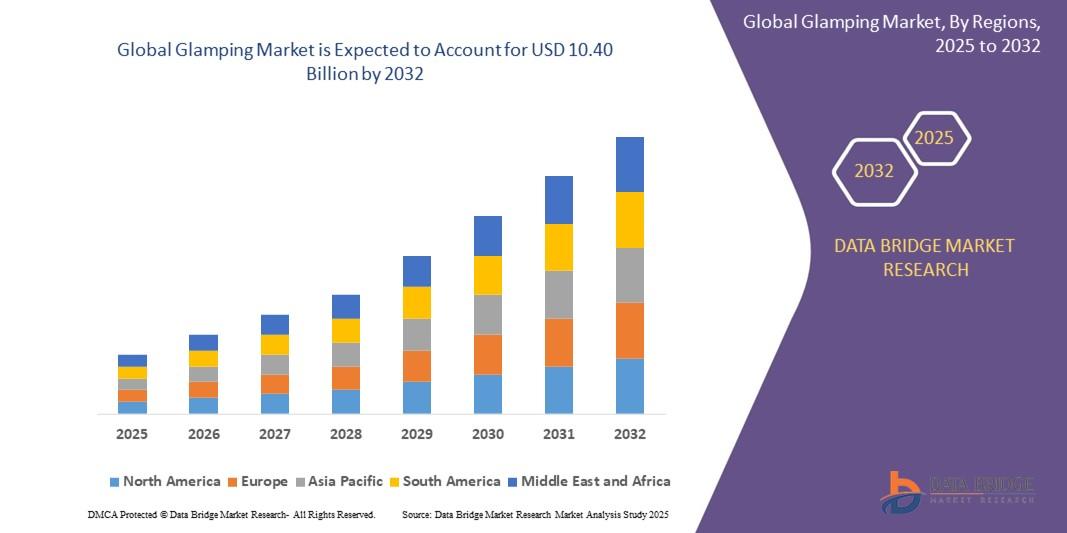
Global Demand Outlook for Executive Summary Glamping Market Size and Share CAGR Value The global glamping market was valued at USD 3.97 billion in 2024 and is expected to reach USD 10.40 billion by 2032During the forecast period of 2025 to 2032 the market is likely to grow at a CAGR of 12.80% In order to make smart decisions about budgeting, Market strategies, product development, and...
Introduction to Poker88 Asia and the World of Online Poker The popularity of online poker has grown tremendously over the past decade as technology has made digital gaming more accessible than ever before. Players from different regions can now enjoy poker games from the comfort of their homes using computers, tablets, or smartphones. Among the many search terms associated with online...

"Global Executive Summary AI-Powered Prosthetics Market: Size, Share, and Forecast The global AI-powered prosthetics market size was valued at USD 833.09 million in 2024 and is expected to reach USD 3,047.54 million by 2032, at a CAGR of 17.60% during the forecast period This AI-Powered Prosthetics Market research report contains specific segments by type and...
Creating a strong presence at a trade show requires more than just booking a space. It is about building an experience that draws attention, communicates your brand message, and leaves a lasting impression. In a competitive exhibition city like Cologne, businesses need creative and reliable partners who understand how to transform ideas into engaging physical spaces. Choosing the right team...