Do Small Businesses Really Need Warehouse Management Solutions?
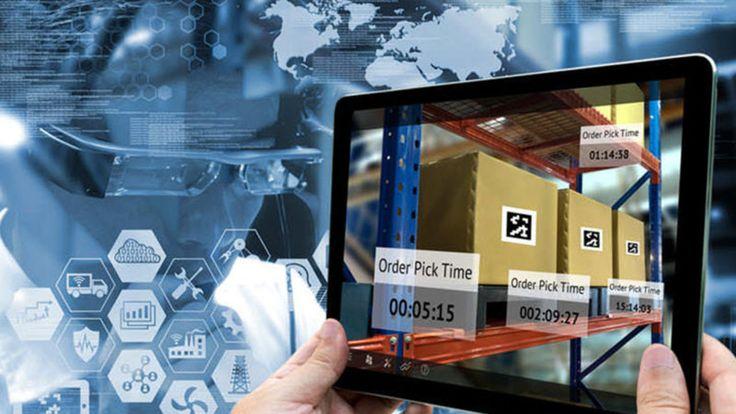
For many small business owners, warehouse management often starts with spreadsheets, manual registers, and “we’ll manage it somehow” optimism. At the early stage, this approach feels economical and manageable. But as order volumes increase, product variations grow, and customer expectations rise, cracks begin to appear in daily warehouse operations.
Understanding Warehouse Management Systems in Simple Terms
A Warehouse Management System (WMS) is a type of inventory and logistics software that helps businesses control, track, and optimize warehouse operations. It manages everything from inventory movement and storage to order picking, packing, dispatching, and reporting.
Unlike basic inventory software that only shows stock quantities, a modern Warehouse Management System focuses on improving warehouse efficiency, accuracy, and speed. It integrates inventory tracking, warehouse automation, warehouse tracking, and work order management into a single system.
Today’s cloud-based warehouse management systems are no longer limited to big enterprises. With SaaS models, small businesses can now access the best WMS software without heavy upfront investment.
Why Small Businesses Traditionally Avoided WMS Software
Historically, small businesses avoided warehouse management software due to high costs, complex implementation, and limited technical expertise. Traditional on-premise systems required expensive hardware, long deployment cycles, and dedicated IT teams.
Additionally, many small business owners believed their warehouse operations were “too small” to justify automation. Manual stock registers and Excel sheets felt sufficient—until business growth made errors unavoidable.
However, warehouse technology has changed significantly. Today’s cloud WMS, especially in markets like Warehouse Management Software India, is scalable, affordable, and user-friendly.
The Real Challenges Small Businesses Face Without a Warehouse Management System
As a business grows, warehouse inefficiencies don’t just slow operations—they directly impact profitability and customer satisfaction.
One major issue is inaccurate inventory visibility. Without a proper warehouse inventory management software, businesses often overstock slow-moving items and run out of fast-selling products. This leads to cash flow issues and lost sales.
Another challenge is order fulfillment errors. Manual picking and packing increase the risk of sending incorrect items, damaging customer trust and increasing return costs.
Warehouse space utilization also becomes problematic. Without warehouse optimization tools, small businesses often waste valuable storage space or struggle to locate items quickly.
Finally, reporting and decision-making suffer. Without real-time data from a Warehouse Management System, owners rely on guesswork rather than facts when planning inventory purchases or warehouse expansion.
How a Warehouse Management System Solves These Problems
A warehouse management system provides real-time inventory visibility, ensuring accurate stock counts across locations. With barcode scanning and warehouse tracking features, every product movement is recorded instantly.
Modern WMS software also improves warehouse operations by optimizing picking routes, reducing travel time, and minimizing human errors. This directly increases order processing speed and accuracy.
Using logistic software management, businesses can track inbound and outbound shipments, coordinate with suppliers, and manage dispatch schedules efficiently.
Cloud-based systems also allow business owners to access warehouse data from anywhere, making it easier to manage operations remotely—an increasingly important feature for growing businesses.
Is a Warehouse Management System Affordable for Small Businesses?
One of the biggest misconceptions is that warehouse management software is expensive. In reality, cloud-based warehouse management systems operate on subscription models, allowing small businesses to pay monthly or annually based on usage.
Instead of heavy upfront investments, businesses can start small and scale as operations grow. Many WMS Software India providers offer modular pricing, ensuring you only pay for features you need.
When compared to losses from inventory inaccuracies, delayed orders, and inefficient warehouse operations, a Warehouse Management System often pays for itself within months.
Warehouse Management System vs Inventory Software: What’s the Difference?
Many small businesses already use basic inventory software, which raises the question: is WMS really necessary?
Inventory software primarily tracks stock quantities and purchase records. A warehouse management system, on the other hand, focuses on how inventory moves, where it is stored, how fast it can be picked, and how efficiently orders are fulfilled.
For businesses with growing SKUs, multiple storage locations, or frequent dispatches, inventory software alone is not enough. A warehouse solution bridges the gap between inventory data and physical warehouse execution.
The Role of Warehouse Automation for Small Businesses
Warehouse automation isn’t about robots replacing humans. For small businesses, automation means barcode scanning, automated stock updates, and rule-based picking processes.
A modern warehouse management system introduces light automation that reduces dependency on manual processes. This ensures faster operations without requiring large infrastructure changes.
Even basic warehouse technology improvements can significantly reduce operational costs and human errors.
Real-Life Example: A Growing Indian E-commerce Brand
Consider a mid-sized e-commerce seller operating in India with 3,000 SKUs and daily orders crossing 200 shipments. Initially, inventory was managed using spreadsheets and manual registers.
As order volume increased, stock mismatches became frequent. Orders were delayed due to incorrect picking, and customer complaints started affecting brand reputation.
After implementing a cloud-based warehouse management system, the business achieved real-time inventory visibility, reduced order errors by over 70%, and improved dispatch speed by 40%.
This example highlights how e-commerce warehouse management systems are no longer optional for growing online sellers.
Warehouse Management Software in India: A Growing Necessity
India’s logistics ecosystem is rapidly evolving, driven by e-commerce growth, D2C brands, and omni-channel retail. With rising customer expectations for faster deliveries, warehouse management software India is becoming essential even for small businesses.
Local compliance, GST reporting integration, and multi-location inventory tracking make Indian-focused WMS software particularly valuable.
Businesses involved in inventory management in India benefit significantly from systems designed for regional logistics challenges.
Pros and Cons of Warehouse Management Systems for Small Businesses
A warehouse management system offers improved inventory accuracy, faster order fulfillment, better space utilization, and data-driven decision-making. It enhances customer satisfaction and prepares businesses for scalable growth.
However, there is a learning curve involved. Employees need basic training, and businesses must adapt existing processes. Choosing the wrong system without proper implementation support can also limit ROI.
The key lies in selecting the best warehouse management system that aligns with business size, industry, and growth goals.
FAQs: Common Questions Small Businesses Ask
Many business owners wonder whether a WMS is necessary if they have only one warehouse. The answer depends on order volume, SKU complexity, and growth plans rather than warehouse count.
Another common concern is implementation time. Modern cloud WMS solutions can be deployed within weeks, not months.
Some also ask whether WMS integrates with accounting or ERP systems. Most modern warehouse management software supports integration with ERP, e-commerce platforms, and work order management software.
How to Choose the Best Warehouse Management Software
Selecting the best WMS software involves evaluating ease of use, scalability, cloud accessibility, reporting features, and local support availability.
Small businesses should prioritize systems that offer strong warehouse tracking, real-time inventory updates, and flexible pricing. A reliable warehouse solution should grow alongside your business, not restrict it.
The Future of Warehouse Management for Small Businesses
Warehouse technology is no longer a luxury—it’s becoming a necessity. With increasing competition, tighter margins, and higher customer expectations, efficient warehouse operations are critical.
Small businesses that adopt warehouse optimization early gain a competitive advantage by reducing operational chaos and building scalable processes.
As cloud adoption grows, cloud-based warehouse management systems will continue to democratize advanced logistics capabilities for businesses of all sizes.
Conclusion: So, Do Small Businesses Really Need Warehouse Management Solutions?
The honest answer is yes—once growth begins, a Warehouse Management System becomes essential rather than optional. It enables small businesses to move from reactive firefighting to proactive, data-driven warehouse operations.
From reducing inventory errors and optimizing warehouse space to improving order accuracy and customer satisfaction, the benefits far outweigh the initial investment.
For small businesses looking to scale sustainably, adopting the right warehouse management software at the right time can define long-term success.
At Stackerbee Technologies, we help growing businesses implement scalable, cloud-based warehouse management systems tailored to real operational needs. Whether you’re managing a small warehouse or preparing for rapid expansion, the right technology can transform your warehouse into a growth engine—not a bottleneck.
Categorii
Citeste mai mult
The global Candle Market is witnessing steady growth, driven by increasing consumer interest in home ambiance, aromatherapy, and lifestyle enhancement products. According to recent market insights, the candle market size was valued at USD 11.52 billion in 2025 and is projected to reach USD 19.46 billion by 2033, growing at a CAGR of 6.80% during the forecast period from 2026 to 2033....

Elegir el lugar donde celebrar una boda es una de las decisiones más importantes para cualquier pareja. En Cataluña, las masías se han convertido en una de las opciones favoritas gracias a su encanto histórico, sus jardines naturales y la posibilidad de disfrutar de una celebración exclusiva. Si estás buscando una masia para boda Barcelona,...

slot resmi and the Importance of Health Awareness in the Digital Era The internet has become a major part of everyday life. People use digital platforms for communication, education, work, and entertainment. One popular form of online entertainment is gaming, particularly casino style games that are often associated with the term slot resmi. These platforms attract many users because they offer...

If you’ve ever typed “local trucking jobs near me” into Google at 2 a.m., yeah… you’re not alone. Most drivers hit that point. Either you’re tired of long hauls, missing home, or just done with unpredictable routes that mess up your whole week. Local driving sounds simple on paper. Be home daily. Short routes. Stable pay. But finding good local gigs?...

The world of web development is constantly evolving, and the demand for Full-Stack Developers who can handle both front-end and back-end development is soaring. Among the various technology stacks, the MEAN Stack comprising MongoDB, Express.js, Angular, and Node.js has emerged as a powerhouse, offering a fast, efficient, and all-JavaScript solution for building dynamic, scalable...