


Innovative Approaches to Safer, Smarter Healthcare Workflows

The primary mission of any healthcare institution is clear: to heal, to comfort, and to provide sanctuary for those in need. Within the walls of hospitals and clinics, teams of dedicated professionals work tirelessly toward this goal, their focus squarely on patient outcomes. Yet, operating silently alongside this clinical purpose is an equally critical mandate: the unwavering commitment to environmental, health, and safety stewardship. This dual responsibility creates a landscape unlike any other, where the process of delivering care must constantly be balanced with the imperative of maintaining a safe physical environment for patients, visitors, and the staff themselves.
This balancing act is profoundly complex. A healthcare facility is not a static building; it is a dynamic, living organism. It functions as a 24-hour chemical laboratory, a power plant, a hotel, a restaurant, and a complex construction site, all while serving as a place of recovery for vulnerable individuals. The risks are multifaceted and interconnected. An infection control protocol impacts waste management. A renovation project affects indoor air quality. The safe handling of a chemotherapy drug influences water system safety. Navigating this interconnected web requires more than good intentions; it demands specialized expertise that bridges the gap between clinical knowledge and technical safety science, ensuring that the pursuit of health never inadvertently creates new harm.
The Foundational Pillars of Healthcare Safety
A robust safety program in healthcare is built upon several key pillars, each addressing a distinct set of challenges inherent to the medical environment. Infection control and prevention stands as the most visible pillar, encompassing strategies from hand hygiene and sterilization to sophisticated isolation protocols and air pressure management in operating rooms. Directly linked to this is the management of hazardous materials and waste. Healthcare generates a unique spectrum of waste streams, including regulated medical waste, hazardous chemical waste from laboratories, and trace chemotherapy waste. Each category demands strict segregation, secure containment, and meticulous tracking from the point of generation to final disposal, ensuring community and environmental protection.
Facility operations and construction safety present another critical domain. Renovating an emergency department or updating an intensive care unit cannot follow standard construction practices. Projects must adhere to stringent infection control risk assessment protocols to prevent dust, mold, or contaminants from affecting immunocompromised patients. This requires specialized planning around containment barriers, negative air pressure, and staff pathways. Simultaneously, everyday facility operations must ensure the reliability and safety of essential systems, from emergency power and medical gas lines to water management programs designed to prevent outbreaks of pathogens like Legionella.
Cultivating a Culture of Shared Responsibility
Beyond policies and procedures, the most critical element of a successful program is the culture that surrounds it. True safety is not achieved through a rulebook alone but through the engaged participation of every individual in the organization. Leadership commitment is the cornerstone; when hospital administrators visibly champion safety initiatives and allocate necessary resources, it sends a powerful message about institutional priorities. This top-down support enables the integration of safety principles into daily workflows, making protocols a natural part of patient care rather than a separate burden.
Empowering staff through continuous education and open communication is the next vital step. When clinical teams understand the "why" behind a safety procedure, how proper waste segregation prevents environmental harm or how correct cleaning protocols stop an outbreak—compliance transforms into advocacy. Creating transparent channels for reporting near-misses or potential hazards without fear of blame encourages proactive identification of risks before they lead to an incident. This approach fosters a sense of shared ownership, where nurses, technicians, engineers, and physicians all see themselves as essential guardians of their own safety and that of their patients. To truly discover more about how these interconnected elements build a resilient organization, one must look at the synergy between educated staff, empowered leadership, and expertly managed systems. This holistic perspective moves beyond checklist compliance toward a state of continuous vigilance and improvement.

The Strategic Advantage of Specialized Expertise
Given the intricate and high-stakes nature of healthcare operations, many institutions find immense value in partnering with consultants who possess focused expertise in this unique sector. These specialists act as objective navigators, bringing an outside lens to internal challenges. They begin with comprehensive gap analyses and risk assessments, meticulously evaluating current practices against the latest regulations from bodies like The Joint Commission, OSHA, and the Centers for Medicare & Medicaid Services, as well as industry best practices. This thorough evaluation identifies vulnerabilities that may be overlooked by internal teams immersed in daily operations.
Following assessment, these experts collaborate with facility leaders to develop tailored, actionable management plans. For example, they might design a detailed water management program to mitigate Legionella risk, create a safety data sheet organization system for thousands of chemicals, or draft emergency procedures for hazardous drug spills. A significant benefit lies in knowledge transfer; a skilled consultant equips internal staff with the tools, templates, and training they need to manage programs effectively long after the engagement ends. This builds sustainable internal capacity. Furthermore, during major projects like a new wing construction or a regulatory survey, having an expert on hand provides confidence and ensures that safety and compliance are woven into the project's fabric from the very first planning meeting.
The Measurable Outcomes of a Proactive Approach
Investing in a sophisticated, proactive environmental, health, and safety framework yields returns that are measured in both human and operational terms. The most important outcome is the enhancement of patient safety and care quality. Effective programs directly reduce the risk of healthcare-associated infections, prevent patient injuries from falls or equipment failures, and ensure a healing environment free from environmental hazards. This aligns perfectly with the core clinical mission.
For the staff, a strong safety culture leads to higher morale, reduced burnout, and increased retention. When employees feel their well-being is a true priority, engagement and productivity rise. Operationally, proactive management minimizes costly disruptions from regulatory citations, preventable accidents, or project delays. It reduces insurance premiums and liability exposure. Ultimately, it safeguards the institution's reputation in the community, reinforcing its image as a trustworthy, competent, and caring organization. In an era where quality metrics and patient satisfaction are closely scrutinized, excellence in safety is not just an operational goal—it is a strategic marker of overall institutional quality.

Conclusion: An Integral Component of Healing
Ultimately, comprehensive environmental, health, and safety management is not a peripheral administrative function in healthcare. It is an integral, inseparable component of the healing mission itself. It represents a profound understanding that safe facilities and safe practices are the essential foundation upon which excellent clinical care is delivered. By systematically addressing risks from infection to infrastructure, healthcare leaders do more than meet regulations; they create a sanctuary of safety. They protect the vulnerable patients entrusted to their care, they honor the dedication of their workforce, and they fulfill their broader ethical duty to the community. This commitment ensures that the journey toward health is supported by an environment where safety is seamlessly, quietly, and expertly woven into every corner, every protocol, and every caring act.
Categories
Read More
The global Basalt Fiber Market is witnessing accelerated growth as industries increasingly seek sustainable, durable, and high-performance alternatives to conventional materials such as glass and carbon fibers. The market was valued at USD 301.61 million in 2024 and is expected to reach USD 733.50 million by 2032, expanding at a robust compound annual growth rate (CAGR) of 11.75%...

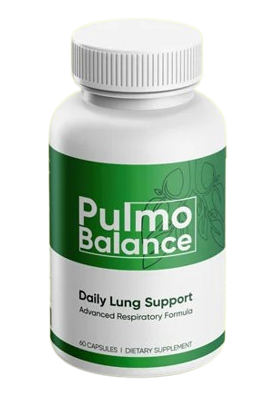
Pulmo Balance is a respiratory health supplement created for adults in the UK who want to support healthy lungs and maintain comfortable breathing. In today’s environment, factors like busy city living, seasonal changes, and natural ageing can all influence how easily we breathe. Pulmo Balance is designed for those who want a simple, natural way to support their lung function and stay...
A short new teaser invites viewers to see the ordinary world overlaid with magic, previewing an augmented-reality adventure from Portkey Games. The trailer opens with a camera feed that stutters and warps, hinting that something supernatural is disrupting muggle devices. A woman encounters a floating golden snitch, which briefly freezes midair before she acts — a small glimpse of the...

Ready-to-Eat (RTE) Meals Market: Convenience Meets Growth The global Ready-to-Eat (RTE) Meals Market is experiencing robust expansion fueled by shifting consumer lifestyles, urbanization, and an increasing demand for convenient, nutritious meal solutions. Valued at USD 161.3 billion in 2025, the market is projected to grow to USD 225.3 billion by 2033, registering a CAGR of 4.4%...

The Global Medical Grade Tubing Market Report presents an in-depth analysis, merging qualitative and quantitative insights to provide a holistic understanding of the market's dynamics. The report evaluates growth drivers, challenges, and constraints while forecasting revenue trends across key segments. It offers both historical and projected data, giving stakeholders a clear view of market...