


Hydraulic Pressure Testing: Key Steps to Prevent System Failures

Hydraulic systems are crucial in industrial applications, ranging from heavy machinery to manufacturing plants. Ensuring these systems operate safely and efficiently requires regular Hydraulic Pressure Testing. This testing identifies weaknesses, prevents failures, and extends the life of hydraulic components. By following the proper procedures, companies can avoid costly downtime and maintain smooth operations.
What is Hydraulic Pressure Testing?
Hydraulic Pressure Testing is a process used to evaluate the integrity and performance of hydraulic systems. It involves applying controlled pressure to pipes, hoses, valves, and other system components to ensure they can withstand operational loads. This testing helps detect leaks, weak points, and potential failures before they escalate into serious issues. Performing regular tests is essential, as many system breakdowns result from overlooked vulnerabilities. Using advanced solutions from HydraTech Corp ensures accurate results and compliance with industry standards.
Key Steps in Hydraulic Load Testing
Preparation and Safety Measures
Before conducting Hydraulic Load Testing, the system must be depressurized and properly isolated. Operators should wear protective equipment and follow strict safety protocols. Clearly marking the testing area helps prevent accidents and ensures personnel safety throughout the process.
Selecting the Right Equipment
Choosing high-quality testing equipment is critical for reliable results. Accurate hydraulic pumps, pressure gauges, and test benches make the testing process effective. Trusted providers like HydraTech Corp offer hydrostatic test systems designed for precise Hydraulic Pressure Testing.
Conducting the Test
During the test, pressure is gradually applied to the hydraulic system based on manufacturer specifications. All components must be monitored carefully for leaks, deformation, or unusual behavior. Maintaining the system under pressure for a specified period simulates real operating conditions and confirms system reliability.
Analyzing and Documenting Results
After testing, results should be analyzed and documented thoroughly. Comparing findings with standard thresholds allows identification of components that require repair or replacement. This analysis ensures the hydraulic system can operate safely and efficiently under normal conditions.
Regular Maintenance and Follow-Up
For long-term effectiveness, Hydrostatic Pressure Testing should be part of a routine maintenance program. Regular inspections, fluid monitoring, and component replacement prevent future failures. A consistent testing schedule improves system reliability and reduces unexpected downtime.
Benefits of Hydrostatic Pressure Testing
Engaging in Hydrostatic Pressure Testing allows early detection of leaks and weaknesses, preventing costly failures. It extends the lifespan of hydraulic components and enhances operational safety. Businesses that use professional solutions from HydraTech Corp benefit from accurate, reliable testing that keeps systems performing optimally.
Conclusion
Hydrostatic Pressure Testing is essential for maintaining safe, efficient, and reliable hydraulic systems. Following proper steps, using high-quality equipment, and partnering with trusted experts like HydraTech Corp helps prevent system failures and ensures long-term performance. Consistent testing safeguards machinery, reduces operational risks, and ensures uninterrupted industrial operations.
Catégories
Lire la suite
The FA Series Filter Element 24242281 by Ingersoll Rand is a high-performance component designed to ensure the purity and reliability of compressed air systems. In industrial environments where air quality directly impacts equipment longevity and product integrity, this filter element plays a critical role in removing contaminants such as oil aerosols, odors, and particulates.Get more news...

Plant-based eating has become increasingly popular across the UK, with more consumers looking for delicious snack options that align with vegan lifestyles. Whether motivated by health goals, environmental awareness, or ethical choices, many people are seeking snacks that deliver both flavour and convenience. Indian cuisine naturally offers a wide variety of vegan-friendly snacks thanks to its...
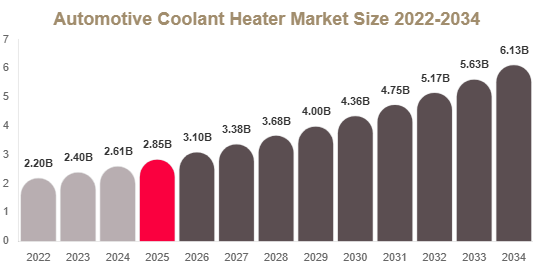
Automotive Coolant Heater Market Overview The global automotive coolant heater market is witnessing steady growth due to increasing demand for vehicle engine efficiency, rising adoption of electric and hybrid vehicles, and growing focus on passenger comfort in cold climatic conditions. Automotive coolant heaters are designed to preheat engine coolant, improve engine startup performance, reduce...
In today’s competitive market, driving schools are no longer just local training centers. Many driving academies now operate like professional businesses that offer multiple services, advanced training programs, and flexible learning options. Because of this, having a professional website has become very important for every driving training business. A modern driving school website...

In the moment's digital-first business terrain, partnering with an internet marketing company Houston can help associations establish an important online presence and attract good guests. Businesses across diligence are contending for visibility, making it essential to apply strategic marketing results that deliver measurable results. A professional marketing approach allows companies to...
